
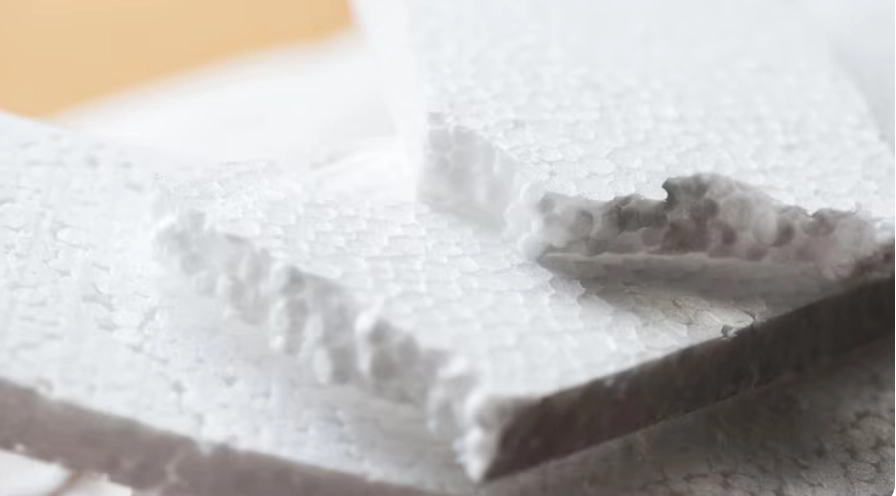
EPS foam is really good at keeping water out. It has tiny closed bubbles and hates water because it is made from plastic. Yes, a little water can sneak in through super small gaps between the beads. But it is only a tiny bit. Even if it gets wet, EPS foam dries again and stays strong. The R-value might drop just a little if it stays soaked for a long time or freezes and melts many times. Still, normal EPS foam keeps working fine. If you pick stronger kinds like HUASHENG’s FGH-N-HBCD or Extrusion Customized REPS, water hardly gets in at all. That makes EPS foam great for walls, boxes, and even underground jobs when you put it in the right way.
Understanding the Moisture Resistance of EPS Foam
Common Concerns About EPS Foam and Water Exposure
People who build houses and make things always ask the same question. Can EPS foam get wet? Will water ruin it? They worry if rain or wet ground will hurt the foam’s job of keeping heat inside.
EPS foam is super popular because it is cheap, light, and keeps houses warm. But everyone wants to know how it acts when water touches it.
Composition and Properties of EPS Foam
What Is EPS Foam Made Of?
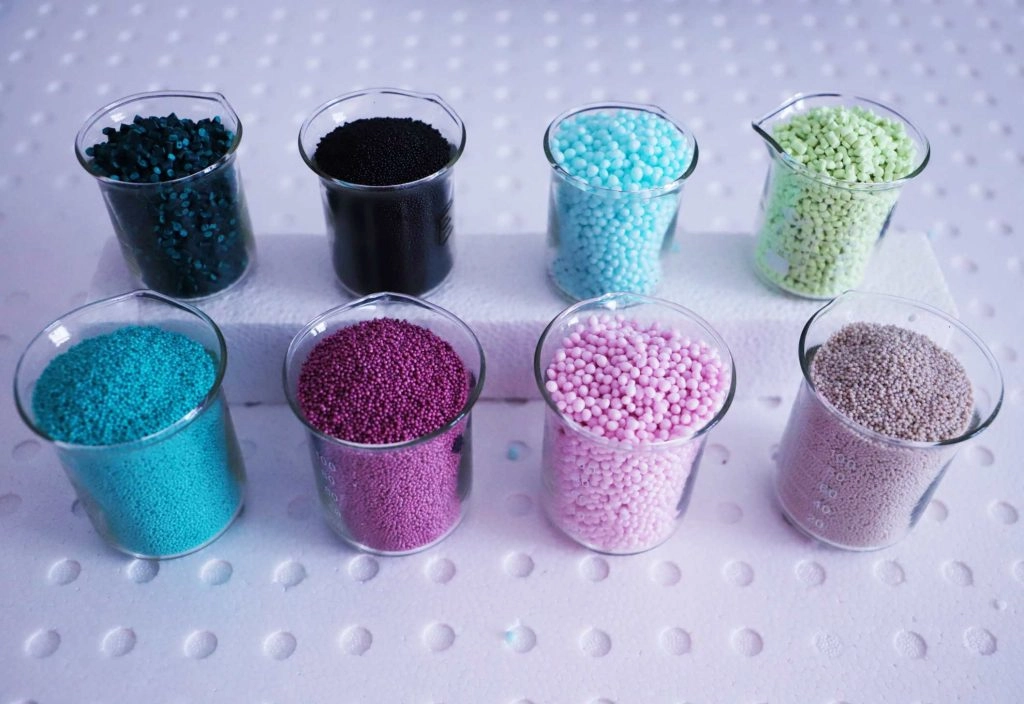
EPS foam starts as tiny plastic beads. Workers use hot steam to make them puff up big. The beads get soft and grow because air inside pushes out. Then they squeeze all the big beads together into blocks or shapes. Inside, it is almost all air – about 98% air and only 2% plastic. That is why it is so light and keeps heat from moving.
Primary Applications Across Industries
You see EPS foam in a wide range of fields.
– Builders put it in walls, roofs, and under floors to stop cold.
– Factories use it to keep boxes safe when things ship far away.
– Big road projects use it to fill ground because it weighs almost nothing.
Structural Characteristics That Influence Moisture Behavior
Closed-Cell Structure of EPS Beads
Every little bead is like a tiny closed ball. Water cannot get inside the bead itself. Each bead says “no” to water.
Fusion Points and Micro-Gaps Between Beads
When beads stick together, tiny gaps stay between them. Water can creep in those little spaces, but only a little bit. It moves slowly, like how water climbs up a paper towel.
Impact of Density on Water Absorption
Heavy, thick EPS foam has fewer gaps. Less water can sneak in. Light, fluffy foam has more gaps. It can hold a bit more water. So when the job is wet a lot, pick the heavy kind.
How EPS Foam Responds to Water Exposure?
Does EPS Foam Absorb Water?
Yes, a little. But not much. Water only goes in the tiny gaps between beads. Most tests show less than 4% water gets in. The plastic itself never soaks up water.
Hydrophobic Nature of Polystyrene Material
The plastic hates water. It pushes water away. That helps the foam stay dry inside even when it rains.
Performance Implications When EPS Gets Wet
Thermal Conductivity Changes Due to Moisture Ingress
If water fills some gaps, heat can move a bit easier. The foam is not as warm anymore. The R-value drops a little. But it is only a small drop unless the foam stays soaked for months.
Long-Term Durability in Humid Conditions
EPS foam can breathe. Wet foam dries out again when the sun or air helps. It goes back to normal most of the time.
Freeze-Thaw Cycle Considerations in Cold Climates
In winter, water inside gaps can freeze. Ice grows and pushes the beads. Do this many times and the foam might get tiny cracks. But it still holds together.
Biological Risks Related to Moist Environments
Mold Growth Potential on or Around EPS
Mold cannot eat EPS foam. There is no food in plastic. So mold never grows on the foam itself.
Attraction to Pests
Wet spots near bad seals can bring bugs or mice. Keep everything sealed and dry. Then no pests come.
Selecting the Right Type of EPS for Moisture-Prone Applications
Importance of High-Density Specifications for Moisture Resistance
Thicker, heavier EPS foam lets almost no water in. Use it underground or outside walls. It stays strong and warm for years.
Enhanced Performance with Graphite or Flame-Retardant Additives
Benefits of Using HUASHENG’s FGH-N-HBCD Grade
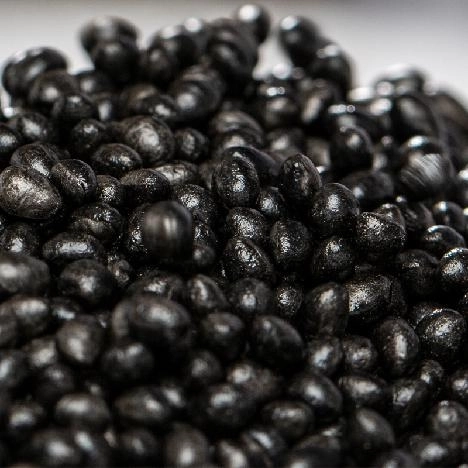
HUASHENG’s FGH-N-HBCD has little shiny bits that bounce heat back. It keeps houses warmer even if a bit of water gets near. It is also safe from fire. Perfect when you need the best.
You can buy big amounts from HUASHENG and get top foam that fights water and keeps heat inside.
Role of Extrusion Technology in Improving Moisture Resistance
Advantages of HUASHENG’s Extrusion Customized REPS
HUASHENG produces Extrusion Customized REPS by pushing the plastic hard together. There are almost no gaps. Water cannot find a way in. You can order exactly what your job needs.
Recommendations for Installation and Maintenance Practices
Proper installation and upkeep help keep EPS foam strong and dry. Seal all edges with membranes or tape to block water, and ensure good drainage so moisture flows away instead of pooling. Check the foam regularly for damp spots or winter damage, and replace any sections that stay wet or become deformed to maintain insulation performance.
Installation Techniques That Limit Water Exposure Risks
Proper Sealing Strategies
Put plastic sheets or special tape all around the foam. Cover every edge and hole. Water stays outside.
Drainage Considerations
Make sure rain and ground water run away fast. Slope the dirt. Add pipes if you need. Never let water sit next to the foam.
Maintenance Tips to Preserve Structural Integrity Over Time
Periodic Inspection Guidelines
Look at the foam sometimes. Check for wet spots or little cracks from winter. Fix problems fast.
Replacement Criteria
If foam gets squished bad or stays wet too long, change that part. New foam keeps the house warm again.
FAQs
Q: Can standard construction-grade EPS be used below grade where it may contact groundwater?
A: It can, but it is smarter to pick heavy kinds or HUASHENG’s customized REPS. They stop water much better for many years.
Q: Will temporary wetting during installation compromise the insulation performance permanently?
A: No. A little rain while building is okay. EPS foam dries fast and goes back to normal.
Q: How does HUASHENG’s FGH-N-HBCD compare with conventional EPS in wet environments?
A: It stays warmer even if a little water touches it. Plus it is safer with fire. Best choice when things might get damp.






 English
  German
  Spanish
  French
  Arabic