
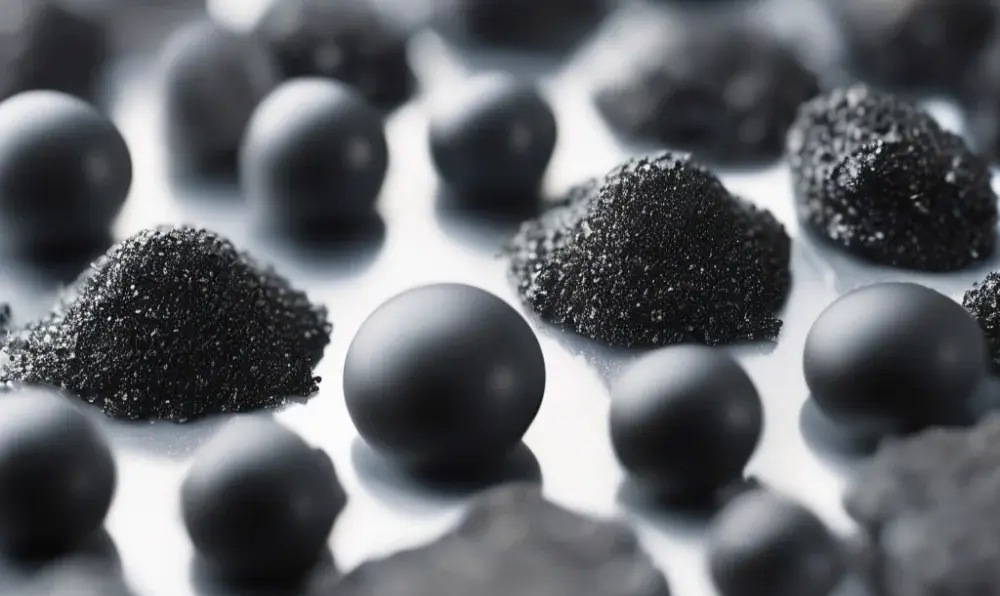
من السهل إغفال حجم الجسيمات عندما يناقش المشترون المنتجات المصممة حسب الطلب. رغوة EPS التعبئة والتغليف. عادةً ما تأتي الكثافة وأهداف اختبار السقوط وسعر الوحدة في المقام الأول. ومع ذلك، يمكن لحجم الخرز أن يحدد ما إذا كانت الصينية تملأ بشكل نظيف، وتلامس المنتج برفق، وتكرر نفس الجودة بكميات كبيرة.
لماذا أصبح حجم الجسيمات قرارًا يتعلق بالتغليف، وليس مجرد تفصيل متعلق بالمواد؟
يمكن أن تؤدي الاختلافات الطفيفة في حجم الخرز إلى تغيير ملء التجويف، وتشطيب السطح، وحماية الحواف
يجب أن تتدفق خرزة الرغوة عبر القالب، وتملأ الزوايا، وتتمدد تحت تأثير البخار، وتندمج مع الخرزات المجاورة، ثم تنفصل دون تمزق. قد تناسب الخرزات الأكبر حجمًا الأشكال المفتوحة وكتل الحماية السميكة. أما الخرزات الأصغر حجمًا فتملأ الجدران الضيقة ومناطق الصواني ذات التفاصيل الدقيقة بسهولة أكبر. ويظهر الفرق جليًا في حماية الحواف ونعومة السطح.
تحتاج مشاريع التعبئة والتغليف بالجملة إلى قوالب مستقرة، وليس فقط إلى عينة أولية جيدة.
قد تبدو العينة الأولى جذابة، لكنها قد لا تجتاز مرحلة الإنتاج بكميات كبيرة. يوفر التشكيل بكميات كبيرة دورات أقصر، وتسخينًا وتبريدًا متكررين، وعمل عدة تجاويف في آن واحد. يساعد توحيد حجم الجسيمات في الحفاظ على نمط التعبئة نفسه، ومستوى الانصهار، وسرعة فك القالب، ونتيجة التبريد نفسها على مدى آلاف القطع.
متى يكون تحديد حجم الجسيمات حسب الطلب أمراً يستحق النقاش؟
جزيئات أصغر للصواني الدقيقة ووحدات العرض والإلكترونيات والأجزاء الهشة
يُعدّ تحديد حجم الجسيمات المناسب أمرًا جديرًا بالنقاش عند تصميم منتجات ذات أضلاع دقيقة، أو مناطق تلامس ضحلة، أو جدران ضيقة، أو سطح مرئي فاخر. قد تتطلب وحدة العرض أو صينية الجهاز اللوحي تعبئة محكمة وحواف نظيفة لضمان استقرار المنتج بشكل مسطح دون نقاط ضغط. تستخدم بعض مشاريع الصواني جسيمات أدقّ يتراوح حجمها بين 0.65 و0.8 مم لتحسين التفاصيل والتحكم في السطح.
نطاقات جسيمات أكبر أو مختلطة لتخفيف الوزن أو التوسيد أو الهياكل الحساسة للتكلفة
لا تحتاج جميع المشاريع إلى حبيبات دقيقة. يمكن استخدام حبيبات أكبر أو مختلطة الحجم مع القوالب السميكة، وواقيات زوايا الأجهزة، وتغليف السيراميك، وصناديق الأسماك، وصناديق الفاكهة، والأجزاء المصبوبة بشكل عام. غالبًا ما تُعطى الأولوية في هذه الطلبات لحجم التبطين، وسرعة فك القوالب، والتكلفة، أكثر من التركيز على اللمسة النهائية الزخرفية الدقيقة. ينبغي مراعاة نقاط ضعف المنتج عند اختيار الحبيبات.
كيف يُحسّن تصميم حجم الجسيمات متعدد الطبقات من تغليف الرغوة
استخدام الهياكل الطبقية لتحسين التلامس السطحي والدعم الداخلي
تؤدي بعض قطع الفوم المقولبة وظيفتين في آن واحد. فالطبقة السطحية تحتاج إلى تلامس دقيق مع المنتج، بينما يتحمل الهيكل الداخلي الوزن ويمتص الصدمات. ويساعد تصميم أحجام الجسيمات متعددة الطبقات على فصل هاتين الوظيفتين. كما أن معدات المواد الخام من REPS، التي تدعم إنتاج أحجام الجسيمات متعددة الطبقات، تمنح الموردين مرونة أكبر في مطابقة مناطق التلامس الدقيقة مع مناطق الدعم الأقوى.
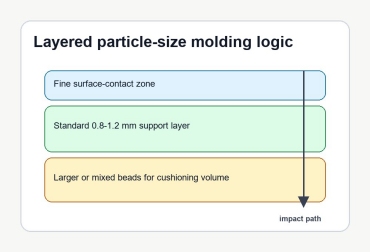
يُعدّ هذا الأسلوب مفيدًا للصواني، وتغليف الشاشات، ودعامات المكونات الطبية، وأجزاء الطاقة الجديدة. إذ يُمكن لمنطقة سطحية أدقّ أن تُقلّل من علامات الضغط. كما يُمكن لمنطقة داخلية أقوى أن تُثبّت المنتج في مكانه وتحميه أثناء الاهتزاز أو السقوط. والسؤال الأساسي بسيط: ما هي المنطقة التي تلامس المنتج، وما هي المنطقة التي تتعرّض للصدمات، وما هي المنطقة التي تملأ مساحة الكرتون فقط؟
مطابقة مناطق الرغوة المختلفة مع وزن المنتج، ومخاطر الصدمات، ومساحة الكرتون
ينبغي مراجعة حجم الجسيمات مع مراعاة الكثافة، ونسبة التمدد، وسُمك الأضلاع، وزاوية ميل القالب، واختبارات الكرتون. قد يحتاج المنتج الخفيف ذو الغلاف المصقول إلى عناية سطحية أكثر من حاجته إلى مقاومة الضغط. أما القطعة الكثيفة ذات الزوايا الحادة فقد تحتاج إلى مسارات تحميل أوسع وكتل زاوية أقوى.
ينبغي فحص حجم الجسيمات وأداء التشكيل معًا
التدفق، انصهار الخرز، وقت المعالجة، فك القالب، وكفاءة التبريد
يجب أن يتناسب حجم الجسيمات مع عملية التشكيل. يُستخدم البوليسترين الموسع من الدرجة الثانية (B-grade EPS) في التغليف نظرًا لتجانس حجم حبيباته، وسلاسة تدفق الجسيمات الرغوية، وقصر مدة التصلب، وسرعة فك القوالب في آلات التشكيل الأوتوماتيكية، وكفاءة التبريد الفراغي العالية. تؤثر هذه العوامل على تكلفة الوحدة، وتوقيت الشحن، وقابلية تكرار الدفعات.
بالنسبة للتغليف المقولب، رغوة تغليف EPS من الدرجة الثانية يُعدّ هذا المنتج مرجعًا مفيدًا. يُستخدم في تغليف الأجهزة الكهربائية، وتغليف السيراميك، وصناديق الأسماك والفواكه، وصناديق الخضراوات، والعوامات، والحرف اليدوية، والأجزاء المصبوبة بشكل عام. يتراوح نطاق الرغوة الموصى به عادةً بين 40 و65 ضعفًا، مع نطاقات حجم جسيمات محددة لكل درجة.
نعومة السطح، والاستقرار البُعدي، والتحكم في نقاط الضعف في عمليات الإنتاج بكميات كبيرة
يجب أن يحافظ الجزء المصبوب من مادة EPS على حجمه بعد التبريد، وأن تبقى زواياه ثابتة بعد التعبئة، وأن يتجنب الخطوط الهشة والضعيفة الناتجة عن عدم اندماج الخرزات. ينبغي على المشترين مقارنة الأبعاد مع التفاوت المسموح به في الرسم، والتحقق من وزن الجزء، وضغط الأضلاع الرقيقة، وإجراء الاختبار بعد أن يستقر النموذج.
أين تتناسب مواد التغليف المكافئة (REPS) ومواد التغليف المكافئة من الدرجة الثانية (B-Grade EPS) مع طلبات التغليف الحقيقية؟
مواد REPS لحجم الجسيمات المخصص ومتطلبات التعبئة والتغليف الأعلى
عندما تحتاج العبوة إلى متانة أفضل أو تخصيص أدق للمشروع، مادة رغوية REPS يمكن اعتبارها إلى جانب البوليسترين الموسع القياسي. يُصنع البوليسترين الموسع عالي الأداء من هواشنغ من البوليسترين المُعدَّل، ويُستخدم في مشاريع تغليف الرغوة التي تتطلب متانة وقوة متوسطتين. ولا يزال يتبع مسار التشكيل المسبق والقولبة، لذا يمكن للمشترين مناقشته مع منطق إنتاج البوليسترين الموسع المألوف.
للحصول على ألوان مخصصة، أو حجم جسيمات دقيق، أو بنية أخف وزناً، مواد REPS مخصصة يُقدّم هذا توجيهًا أكثر تحديدًا. تشمل المواصفات المتاحة نطاقات أحجام الجسيمات مثل 0.8-1.25 مم و0.6-1.0 مم، مع نطاق قابل للتوسيع لأول مرة من 18 إلى 62 ضعفًا. يساعد هذا المشترين على الانتقال من طلبات غامضة إلى أهداف عينات أكثر وضوحًا.
خيارات EPS الشائعة لتغليف الأجهزة المنزلية، وتغليف السيراميك، وصناديق الأسماك، والأجزاء المقولبة
بالنسبة للعديد من الطلبات ذات الأحجام الكبيرة، تظل أنواع البوليسترين الموسع الشائعة عملية. عادةً ما تحتاج عبوات الأجهزة المنزلية، والسلع الخزفية، وصناديق الأسماك، وصناديق الفاكهة، وصناديق الخضراوات، والعوامات، والأجزاء المصبوبة العامة إلى إنتاج مستقر وتكلفة مقبولة أكثر من الهياكل المتخصصة للغاية. Sتطبيقات التغليف الزلزالي قد تحتاج الأجهزة الإلكترونية إلى مناطق تلامس أدق، بينما قد تحتاج الأجزاء المصبوبة الأثقل إلى دعم أكثر سمكًا وزوايا أقوى.
نصائح الشراء حسب نوع المنتج
شاشات LCD، منتجات طبية، قطع غيار الطاقة الجديدة، هواتف محمولة، أجهزة لوحية، وإلكترونيات دقيقة
بالنسبة للمنتجات الدقيقة، ابدأ بفحص سطح التلامس. اطلب عينات باستخدام نطاق حجم الجسيمات والكثافة والوزن المصبوب المخطط له. تحقق مما إذا كانت الأضلاع والزوايا ممتلئة تمامًا، وما إذا كان السطح يترك علامات، وما إذا كان الجزء لا يزال مناسبًا بعد التبريد والتخزين.
| نوع المنتج | اتجاه حجم الجسيمات | الشاغل الرئيسي للشراء |
| شاشات LCD وأجهزة لوحية | نطاق تجريبي من 0.8 إلى 1.2 مم أو أدق | سطح نظيف للتلامس، حشو محكم للتجويف، علامات ضغط منخفض |
| قطع طبية أو دقيقة | مجموعة مُخصصة بعد اختبار العينات | ثبات الأبعاد، وقوالب نظيفة، ودفعات قابلة للتكرار |
| عبوات الأجهزة أو السيراميك | نطاقات EPS القياسية أو من الدرجة B | حماية من الصدمات، سرعة الدورة، التحكم في التكاليف |
التعبئة والتغليف العامة، والصناديق المتكاملة، والتعبئة والتغليف الخزفية، ومشاريع التصدير
بالنسبة للتغليف العام، تجنب تحديد حجم الحبيبات بدقة مفرطة في وقت مبكر. زود المورد أولاً برسم المنتج، ووزنه، وحجم الكرتون، وطريقة النقل، وظروف التكديس، ومتطلبات اختبار السقوط. ثم قارن عينة قياسية بعينة أخرى ذات حجم حبيبات مُعدّل إذا كان التصميم يعاني من زوايا ضعيفة أو تشطيب سطح رديء.
في مشاريع التصدير، يُعدّ التناسق بالغ الأهمية، تمامًا كالعينة الأولى. لذا، تأكد من الدرجة، ونطاق حجم الجسيمات، ونسبة التمدد، وكثافة القالب المستهدفة، ووقت تهيئة العينة، وطريقة التعبئة، وإجراءات اختبار الكرتون قبل الموافقة على الكمية الإجمالية. فالتغييرات التي تُجرى بعد الموافقة قد تؤدي إلى تركيبات غير مُحكمة، أو مطالبات بالتعويض عن الأضرار، أو إعادة العمل، أو تأخير الشحن.
أسئلة متكررة
س1: هل حجم جسيمات EPS الأمثل للتغليف هو دائمًا 0.8-1.2 مم؟
ج1: لا. إنه نطاق قياسي مفيد، ولكن الأضلاع الضيقة والأسطح الممتازة والهياكل الخفيفة أو كتل الزاوية شديدة التحمل قد تحتاج إلى نطاق آخر.
س2: متى يجب على المشترين طلب حجم جسيمات مخصص؟
أ2: اطلب ذلك عندما تُظهر العينة تلامسًا خشنًا، أو تعبئة غير كافية للزوايا، أو انصهارًا ضعيفًا، أو أبعادًا غير مستقرة، أو وزنًا زائدًا. يجب تضمين الكثافة، ووزن العينة، والرسم، وظروف الاختبار.
س3: كيف يؤثر حجم الجسيمات على جودة التشكيل والتشطيب السطحي؟
ج٣: يمكن للخرز الأصغر حجماً ملء التفاصيل الدقيقة وإنشاء سطح تلامس أكثر نعومة. قد يناسب الخرز الأكبر حجماً الهياكل الأكثر سمكاً وبساطة. لا تزال عوامل البخار والتقادم والتبريد وتصميم القالب مهمة.
س4: هل يمكن لشركة هواشنغ دعم مشاريع تغليف رغوة البوليسترين الموسع القياسية والمخصصة؟
A4: هواشنغ يُقدّم هذا المنتج درجات شائعة من البوليسترين الموسع (EPS) للتغليف المصبوب العادي، وخيارات من البوليسترين الموسع المُعاد تدويره (REPS) لتعديل حجم الجسيمات ولونها وأدائها حسب المشروع. مع ذلك، يجب اختبار العينات قبل الموافقة على الإنتاج بالجملة.
 Arabic
  English
  German
  Spanish
  French