
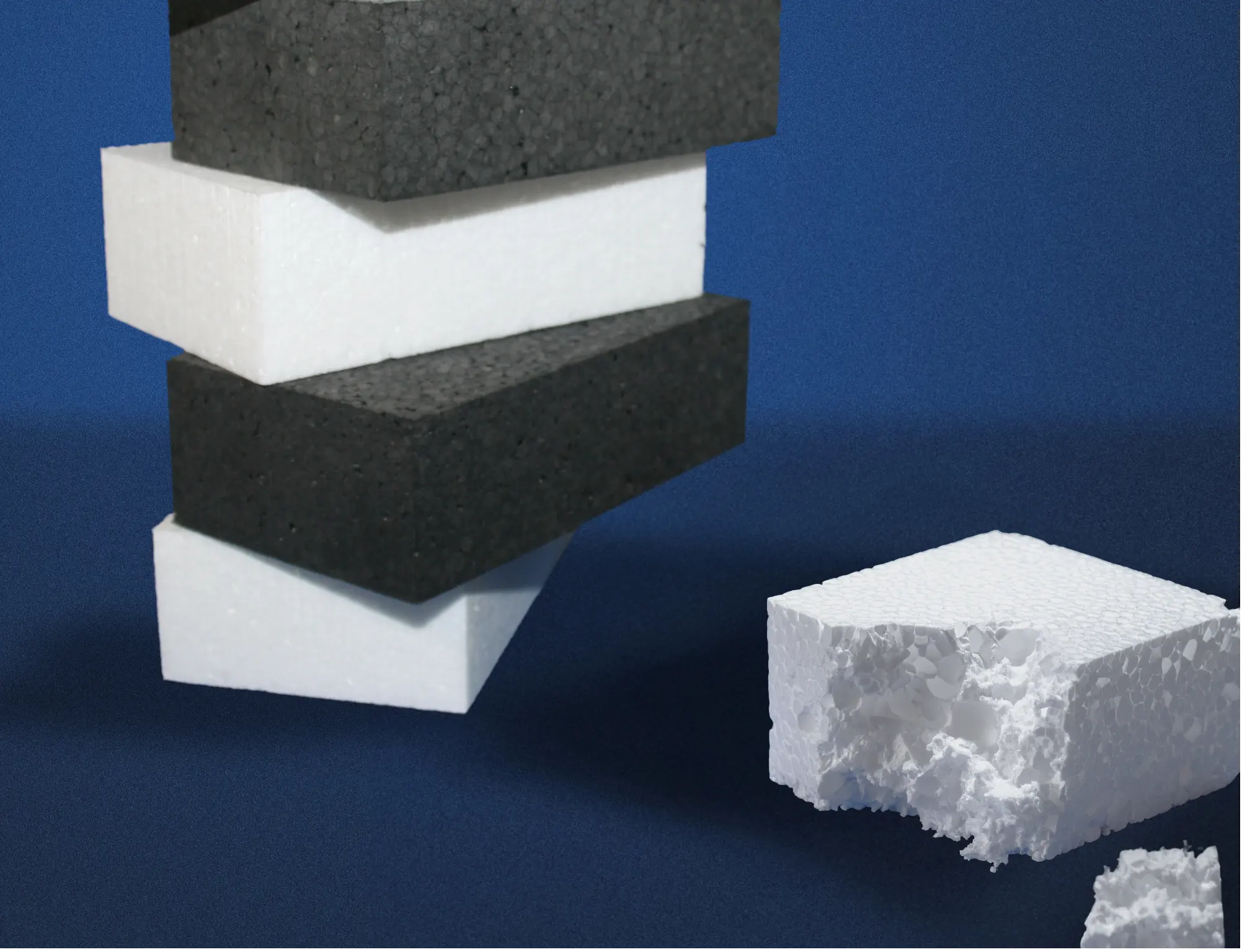
Foam materials hold a vital place in today’s industries. They mix lightweight, flexibility, and steady work in tough settings. From keeping warmth in and softening bumps to holding things up and wrapping items, their many features make them useful in daily goods and special factory uses.
Overview of Foam Materials and Their Industrial Significance
Foam materials form a key part of current baking processes. They give light strength, warmth, protection, and soft padding in endless fields. These items have grown from basic soft fillers to smartly made answers that fit hard work and weather needs.
What Defines the Structure and Composition of Foam Materials?
Foam materials usually get sorted by plastic kind, like polyurethane, polyethylene, or polystyrene, and by bubble setup. The inside build decides how well the foam works. This hard foam’s special bubble shape and how its parts link together set its power, heat handling, and water fighting in every end use. Knowing this body setup matters a lot for picking the best kind of foam for any building or wrapping job.
Open-cell foams have linked holes that let air and water flow through, so they work great for soaking up sounds or soft padding. Closed-cell foams, however, keep gas inside shut bubbles, giving better water block and warmth keeping. Weight per space, bendiness, and heat fight tell how good a foam can hold loads, fight shape changes, or block heat movement. All these play big roles when choosing stuff for factory work.
How Does HUASHENG Demonstrate Expertise in Foam Material Production?
If you look for a reliable maker focused on smart foam tech, هواشنغ shows as a world top player. With years of plastic knowledge and exact making, HUASHENG blends auto lines with strict check systems to keep even weight and bounce in each lot. Their study-based way lets them make foams that hold shape under push while fitting world green rules. HUASHENG’s user-first plan also gives fit answers, from mix planning to after-make changes, so each item matches your exact factory needs.
Major Types of Foam Materials Used Across Industries
Each kind of foam material fits different jobs based on its tiny build and work actions. While PU, PE, and EVA foams each have their place in industry, they are usually chosen for specific needs such as softness, flexibility, cushioning, or rebound. HUASHENG takes a different path. Its main product system centers on EPS and REPS materials, which are better suited to insulation, protective packaging, and other applications that need light weight, stable structure, and scalable production.
HUASHENG organizes its products range into Common grade, درجة مضادة للشعلة, Graphite grade, Environmental protection grade, Carbon black grade, and Customized REPS. This makes it easier to match materials to different project goals, whether the priority is thermal insulation, fire performance, recycled content, or custom processing. The company also connects these products to practical use cases such as construction, cold chain logistics, decorative building materials, food industry applications, seismic packaging, and smart industry solutions.
Key Physical Properties That Define Foam Performance
The basic acts of foam materials rule their fit in areas like buildings, gadgets, or moving.
How Do Density and Compression Strength Affect Functionality?
Weight per space right away changes load-hold power; thicker foams hold more weight without falling while thinner kinds give better soft bend. The foam’s weight per space greatly changes its water fight. Thicker EPS foam has balls that stick closer with fewer and smaller gaps, which cuts paths for liquid water to get in the stuff. Makers like HUASHENG fine-tune weight through watched growth steps fit to your field’s work needs.
Why Is Thermal Conductivity Crucial in Insulation Efficiency?

Low heat pass makes sure good warmth is blocked in build boards or gadget shells where heat control counts most. EPS foam acts as a light, hard, and wide-use material often seen in many fields for warmth block. HUASHENG makes warmth-grade foams that keep steady work over wide heat spans while cutting energy waste.
How Do Foams Contribute to Acoustic Absorption?
Open-cell builds catch sound waves in linked holes, turning sound power to warmth to cut noise bounce. This makes these foams a must in sound rooms or car rooms where noise holds boosts user joy. HUASHENG’s sound line matches wave answers over low-to-high sounds for the best clarity.
Industrial Applications of Foam Materials Across Sectors
Foam materials work as quiet helpers in ease setups, safety tools, wrapping guards, and energy-saving boosts around the world.
How Are Foams Applied Within Automotive Interiors?
Car makers count on PU or PE foams for seats, dashboards, rooflines, door sides, and sound walls because of their light weight mixed with shake-dampening power. These help better rider ease while cutting car weight, a main point in fuel-saving goals.
How Do Foams Enhance Building Insulation Systems?
Shut-cell XLPE foams take a big part in building by stopping heat loss through walls or roofs. At the same time, they block water getting in that might harm the building over time. Chiseled kinds give a fine slowdown with a steady shape even after years of use on the face.
What Role Do Foams Play in Packaging Solutions?
In moving jobs where soft gadgets must reach their whole, custom foam fits get made to match the shapes and sizes of said electronic tools. This makes a tight safe hold in their wrapping. PE-based soft guards cut moving in ships while staying able to be reused, giving an edge when green goals come first.
How Are Sports & Leisure Products Enhanced by Foams?
EVA-based parts lend ease in sports gear like head guards or shoe insoles. They do this thanks to the power to take repeat hits without lasting change. The end is gear that lasts longer and keeps work steady through use times.
Innovations Driving the Future of Foam Material Technology
The coming wave of foam growth looks at green ways paired with number-based exact making.
What Sustainable Strategies Are Shaping Foam Production?
Makers more and more take up reusable plastics from new sources. They also cut loose air mix leaks in the makeup steps. Often the reuse way means pressing or making thick the foam into smaller, easy-to-handle blocks or bits. These can then go into many uses like making fresh foam items. HUASHENG pushes green new ideas by building earth-kind picks that keep work strength without hurting green duty.
Which Advanced Processing Techniques Improve Performance Consistency?
Tools like CNC cutters let complex shapes fit for custom factory parts. At the same time, multi-layer stick boosts both sound-dampening and heat-keeping traits. Blending with smart make systems lets us watch in real time during growth steps. This makes sure even bubbles spread. And auto steps raise output without losing check points.
Selecting the Right Foam Material for Specific Industrial Needs
Picking a good material rests on matching cost savings with tech wants like pull strength needs or weather-facing levels. Working with HUASHENG means getting full help, from test samples to big makes. This comes backed by shown skill, giving world-checked items over PU, PE, EVA, and XLPE groups fit for many market parts. These include car, building, wrapping, and sports tool-making fields, all the same.
أسئلة متكررة
Q: What determines whether open-cell or closed-cell foam should be used?
A: Open-cell foams do well at sound takeoff because of linked holes letting air flow. Closed-cell kinds give better water walls fit for warmth block or float uses.
Q: Are these foams recyclable after use?
A: Yes, often the reuse way means pressing or making thick the foam into smaller, easy-to-handle blocks or bits. These can then go into many uses like making fresh foam items.
Q: Can customized densities be requested for different projects?
A: Yes, makers like HUASHENG shape weight plans to fit set workload needs. This makes sure there is the best match between weight cut and lasting power for each use case.
 Arabic
  English
  German
  Spanish
  French