
يحتل العزل تحت الأرض موقعا فريدا حيث تتقاطع الكفاءة الحرارية والموثوقية الهيكلية ومتطلبات رمز البناء. على عكس العزل المطبق في الجدران أو الأسطح ، يجب أن تعمل المواد الموضعة تحت الأرضيات بشكل موثوق في مساحة محدودة تحمل الوزن. في هذه البيئة ، فإن كيفية تصرف المادة على مدى سنوات عديدة مهمة بنفس القدر من أهمية صفاتها الحرارية البدائية. تظهر أوراق البوليستيرين الموسعة (EPS) بشكل متكرر في مواصفات المشاريع عبر مناطق مختلفة ، ولكن ملاءمتها الحقيقية تعتمد على ما إذا كانت خصائصها الفعلية تتطابق مع متطلبات ظروف الخدمة طويلة الأجل بدلا من بيانات التسويق الواسعة حول العزل.
لماذا يضع العزل تحت الأرض متطلبات أعلى على أداء المواد؟
العزل المثبت تحت الأرضيات يواجه ضغط ميكانيكي مستمر، اختلافات درجات الحرارة المختلفة، والاتصال المحتمل مع الرطوبة. بعد أن يتم تغطيته بطبقات الطبقة أو أسطح الأرضية النهائية ، يصبح استبدالها مكلفاً ويسبب تعطلًا كبيرًا. لذلك ، فإن المتانة طويلة الأمد جنبا إلى جنب مع السلوك المتوقع تحمل وزنا كبيرا أثناء تقييم المواد.
كيف يؤثر التحميل المستمر على اختيار العزل؟
تحمل أنظمة الأرضيات وزناً ثابتاً من مواد الصفيحة والتشطيبات السطحية ، بالإضافة إلى القوى المتغيرة التي يخلقها الناس الذين يتحركون عبر هذه المواد ووضع المعدات. يحتاج العزل الموضع تحت إلى تحمل الضغط المطول دون تشوه تدريجي قد يزعج تساوي السطح. عندما يتم اختيار أوراق EPS بمستويات كثافة مناسبة ، ينتشر هيكل الخرز المغلق للقوى المطبقة بشكل أكثر توحيدًا ، ويقلل من نقاط الإجهاد المحلية ، ويحافظ على السمك الأصلي بشكل موثوق عبر سنوات عديدة من الخدمة.
لماذا لا يكون الأداء الحراري المقياس الحاسم الوحيد؟
على الرغم من أن قيم الموصلات الحرارية لا تزال ضرورية لحسابات الطاقة ، إلا أن الهياكل تحت الأرض تعتمد أيضًا بشكل كبير على الاحتفاظ بالشكل ، ومقاومة اختراق الرطوبة ، والتوافق السلس مع تسلسلات البناء. يمكن لأي طبقة عزل توفر مقاومة حرارية أولية قوية ولكن تغير شكلها تدريجياً تحت ضغط مستمر أن تنتج شقوق داخل صب الخزف أو تخلق أسطح أرضية غير متساوية ، وبالتالي تقليل مكاسب الطاقة الإجمالية من خلال متطلبات الإصلاح المستقبلية.
ما هي الخصائص التقنية التي تجعل ورق EPS مناسبة لأنظمة تحت الأرض؟
توفر أوراق EPS مزيجًا مفيدًا من معدلات نقل الحرارة المنخفضة والاستجابة الميكانيكية المتسقة. يتكون الهيكل الداخلي من الخرز المنصهر التي تحتوي على جيوب الهواء الثابت التي تعمل بوصفها وسيلة عزل موثوقة.
كيف يساهم بنية الخلية المغلقة في الاستقرار الحراري؟
ويقيد هيكل الخلية المغلقة بشدة امتصاص المياه ودورة الهواء الداخلية، لذلك تحتفظ أوراق EPS بمقاومة حرارية ثابتة حتى عندما يتم وضعها مباشرة ضد قواعد الخرسانة أو مجموعات الاتصال بالأرض. على عكس المواد الليفية، لا يزال الأداء مستقلا إلى حد كبير عن الحفاظ على السمك أو الحاجة إلى حواجز رطوبة إضافية للبقاء فعالة.
ما هو الدور الذي تلعبه قوة الضغط تحت أنظمة الخزف؟
تشير قيم قوة الضغط إلى مدى تعامل ورق EPS مع القوى الهبوطية الدائمة. توفر الدرجات ذات الكثافة العالية مقاومة أفضل ضد تغيير الشكل مع الحفاظ على خصائص العزل الفعالة. الاختيار الصحيح لدرجة الكثافة يسمح للعزل بدعم طبقات الصفيحة المتداخلة دون فقدان الأداء الحراري أو الصلابة الهيكلية الشاملة.
كيف تغير أوراق EPS المحسنة بالجرافيت كفاءة العزل تحت الأرض؟
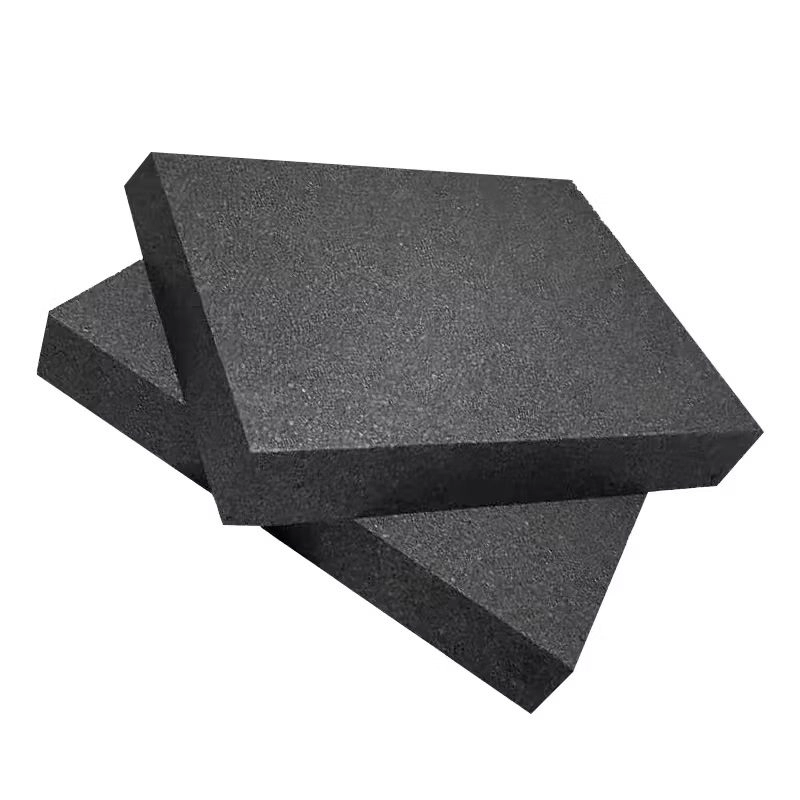
يعتمد EPS العادي بشكل رئيسي على الهواء غير المتحرك المحاصر في الداخل لتأثيره العازل ، في حين أن الإصدارات المعدلة بالجرافيت تضيف طبقة أخرى من الأداء عن طريق تقليل نقل الحرارة من خلال الإشعاع داخل المادة.
لماذا يعتبر انعكاس الأشعة تحت الحمراء مهمًا تحت الأرضيات؟
الجسيمات الجرافيتية الصغيرة الموزعة في جميع أنحاء EPS تمتص وتعيد توجيه الطاقة تحت الحمراء ، وبالتالي تقليل هروب الحرارة عبر طرق الإشعاع. وتحقق هذه الآلية موصلات حرارية فعالة أقل بشكل ملحوظ دون الحاجة إلى مواد سميكة ، وهو أمر مفيد بشكل خاص عندما يظل الارتفاع المتاح لبناء الأرضيات محدوداً بدقة.
متى يجب إعطاء الأولوية لـ EPS من درجة الجرافيت؟
الجرافيت درجة EPS عادة ما يوفر أكبر فائدة في المشاريع التي تهدف إلى أداء طاقة متفوق، أو التجديدات التي يكون عمق التركيب محدودا، أو التصاميم التي يجب أن تحقق أهداف قيمة U متطلبة. المنتج الشائع التطبيق في هذه الحالات هو الجرافيت الصف-S رغوة EPS، والتي تزوج بين تحسين مقاومة الحرارة وسلوك ضغط مستقر مناسب بشكل جيد للبيئات تحت الأرض.
كيف تؤثر متطلبات أداء الحريق على اختيار EPS؟
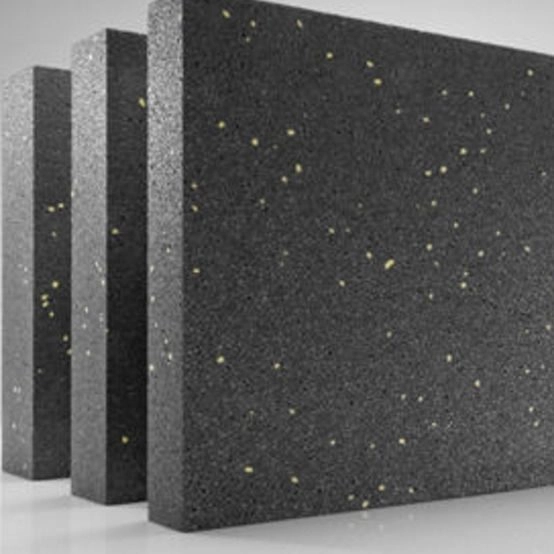
على الرغم من أن العزل تحت الأرض لا يزال مخفيًا ، إلا أنه لا يزال يخضع لمعايير سلامة الحريق الصارمة. يجب أن يلبي السلوك أثناء الإشعال ومعدل حركة اللهب وكمية الدخان المنتج لوائح البناء الإقليمية.
لماذا EPS مضاد للشعلة مهم في مجموعات الأرضيات المغلقة؟
الصيغ التي تحتوي على إضافات مضادة للشعلة تبطئ حركة اللهب وتحد من الإفراج السريع عن الحرارة ، وهو اعتبار مهم في المباني متعددة المستويات والهياكل السكنية. يمكن للمساحات المخفية تحت الأرضيات أن تكون بمثابة طرق مخفية لانتشار الحريق ، مما يجعل تصنيف المواد الصحيح عاملاً مركزياً في التصميم الآمن.
كيف تؤثر الشيخوخة على الأداء المضاد للشعلة؟
تعتمد مقاومة اللهب في EPS على التصنيع الدقيق ووقت التجفيف الكافي للسماح للفرار الكامل من عوامل النفخ المتبقية. تساعد فترات الشيخوخة المناسبة على استقرار الخصائص الميكانيكية والخصائص المرتبطة بالحريق. أحد الخيارات المعترف بها على نطاق واسع في هذه المجموعة هو رغوة EPS من الدرجة F-flame-retardantصممت لتقديم مقاومة موثوقة للحريق جنبا إلى جنب مع القدرة الهيكلية الثابتة.
كيف تؤثر ظروف التثبيت على أداء ورقة EPS؟
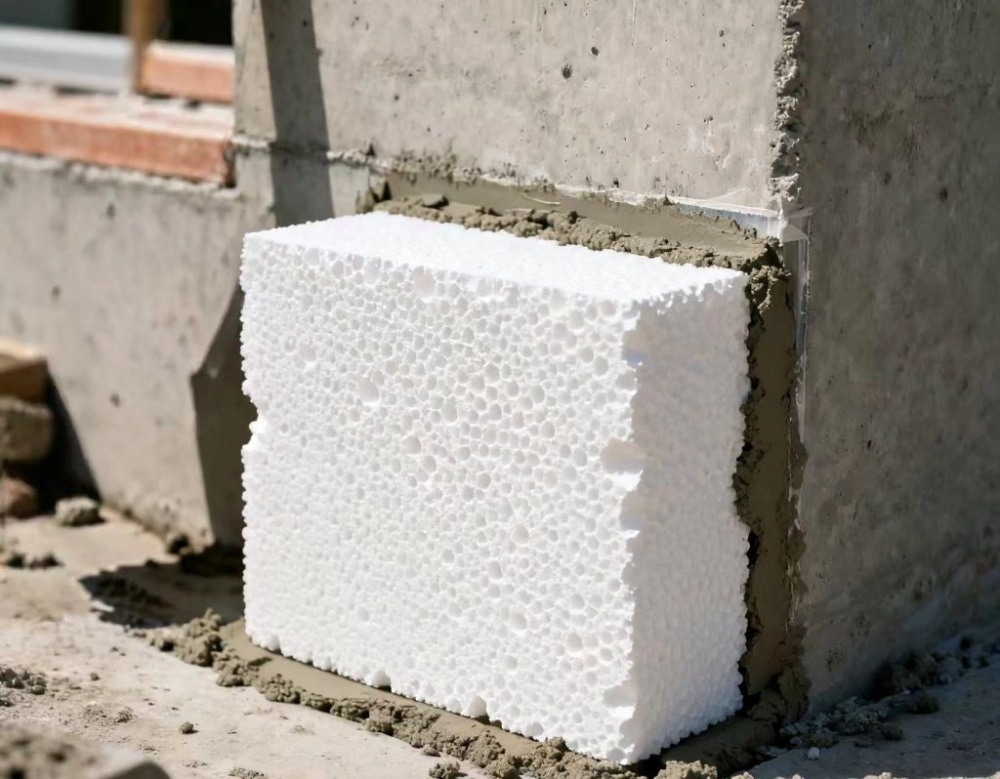
اختيار المادة الصحيحة لا يمثل سوى جزء من المعادلة. تحدد الجودة العملية للوضع بقوة مدى أداء الأوراق EPS طوال فترة خدمتها.
كيف تؤثر إعداد السطح على سلامة العزل؟
يسمح سطح قاعدة متساوي خالي من الحطام بتوزيع الضغط بشكل متساوي عبر طائرة العزل بأكملها. يمكن للمناطق غير المتساوية تحت توليد أحمال مركزة تتجاوز القدرة الضغطية المحلية ، حتى عندما يبقى التحميل الكلي ضمن حدود مقبولة.
لماذا العلاج المشترك مهم للاستمرارية الحرارية؟
وتخلق الفجوات أو المفاصل المنسقة بشكل سيء مسارات للحركة الحرارية غير المرغوب فيها والتي تضعف فعالية النظام الشاملة. تساعد أوراق EPS المثبتة بشكل وثيق مع أنماط مفاصل متدرجة على الحفاظ على حاجز عزل مستمر ، وبالتالي تقليل تسرب الحرارة ومنع المناطق الباردة المحلية تحت أسطح الأرض.
أين تتفوق أوراق EPS على مواد العزل البديلة؟
في العديد من التطبيقات تحت الأرض ، تحصل أوراق EPS على تفضيل على الصوف المعدني أو المنتجات الليفية الأخرى لأنها تحصل على توازن فعال بين خصائص الأداء وصفات التثبيت العملية.
كيف يقارن الـ EPS مع العزل المعدني تحت الأرضيات؟
يمكن للمواد المعدنية تحقيق مستويات مقاومة حرارية محترمة لكنها تميل إلى إظهار حساسية أكبر تجاه التعرض للرطوبة وقوى الضغط المستمرة. تحتفظ الأوراق EPS بشكلها وتحافظ على الأداء بشكل موثوق عند الاتصال بظروف الخرسانة أو الأرض ، مما يؤدي إلى أداء أكثر استقراراً عبر عمر المبنى بأكمله.
لماذا يتم تفضيل EPS في كثير من الأحيان في مشاريع الإسكان على نطاق واسع؟
الجودة الموحدة وخصائص التعامل المباشرة والإنتاج الكبير الكفاءة تجعل أوراق EPS جذابة بشكل خاص لبناء الأرضيات المتكررة. تقدر فرق التثبيت السلوك المتسق من وحدة إلى وحدة ، في حين يحصل محترفو التصميم على ثقة أكبر حول الأداء المتوقع على المدى الطويل.
لماذا أصل المواد ومراقبة العملية مهمة في عزل EPS؟
ليس كل ورقة EPS تقدم أداء ميداني متطابق. الاختلافات في إنتاج الخرز الخام، ومراقبة التوسع أثناء الرغوة، وفحص الجودة المستمر تؤثر بشكل مباشر على الأداء في العالم الحقيقي.
كيف يؤثر اتساق العملية على موثوقية العزل على المدى الطويل؟
تنتج أبعاد الخرز المستقرة جنبا إلى جنب مع عمليات التوسع المدارة بشدة مستويات كثافة ثابتة وقوة ضغط موثوقة عبر عمليات الإنتاج. يمكن لأي اختلاف كبير يتم إدخاله أثناء التصنيع أن يؤدي إلى اختلافات ملحوظة في السلوك ، وهو قلق يصبح مهمًا بشكل خاص في تطبيقات الحمل مثل العزل تحت الأرض.
أين تضيف الخبرة على مستوى النظام قيمة؟
ويسلط هذا المجال الضوء على مساهمة هواشنغ. بدلا من التركيز فقط على الإنتاج العام الكبير الحجم ، نركز على تطوير مواد EPS المتقدمة. نحن نجمع بين تعزيز الجرافيت وتكنولوجيا مقاومة اللهب وإدارة الكثافة الدقيقة في منتجات تم تطويرها خصيصا لاحتياجات عزل البناء. تعطي ممارسات التصنيع لدينا الأولوية لتوزيع الكثافة الموحد والأداء الضغطي الموثوق به والسلوك الحراري المستقر - وهي سمات تؤثر بشكل كبير على نجاح العزل تحت الأرض عبر الخدمة طويلة الأجل.
ما الذي يجب أن يوجه القرار النهائي حول العزل تحت الأرض EPS؟
اختيار ورق EPS ليس ببساطة اختيار نوع واسع من المواد ، ولكن يعتمد في المقام الأول على مطابقة خصائص الصف المحددة للمتطلبات الفريدة لكل مشروع.
كيف يمكنك مواءمة اختيار العزل مع أولويات المشروع؟
يجب أن توجه أهداف أداء الطاقة وظروف التحميل الهيكلي المتوقعة والمعايير التنظيمية المعمول بها اختيار الدرجات المناسبة. قد تستفيد المشاريع ذات أهداف الكفاءة الحرارية العالية جداً من الإصدارات المحسنة بالجرافيت ، في حين أن قواعد السلامة من الحريق الأكثر صرامة غالباً ما تتطلب صيغًا معتمدة لمبطل اللهب.
لماذا دقة المواصفات أهم من فئة المواد؟
يعتمد الأداء الفعلي الذي تقدمه EPS بشكل كبير على الصف المختار. تساعد المواصفات الدقيقة لقيم الكثافة وتصنيفات قوة الضغط ومستويات تصنيف الحرائق على تقليل المخاطر المستقبلية مع ضمان أن العزل تحت الأرض يوفر كل من الاحتفاظ الحراري الفعال والدعم الهيكلي السليم.
الأسئلة الشائعة
س: هل أوراق EPS مناسبة لظروف التحميل تحت الأرض على المدى الطويل؟
ج: نعم. تسمح تقييمات الكثافة والقوة الضغطية المختارة بشكل صحيح لأوراق EPS للحفاظ على الاستقرار الأبعاد تحت التحميل المستمر للأرضية لعدة عقود.
س: هل الجرافيت EPS دائما تفوق EPS القياسية تحت الأرضيات؟
ج: ليس في كل الحالات. يوفر الـ EPS المعزز بالجرافيت مزايا واضحة عندما تكون متطلبات الأداء الحراري صعبة ، أو يظل السمك المتاح مقيدًا ، على الرغم من أن الـ EPS التقليدي غالبًا ما يلبي الاحتياجات بشكل كاف في تصاميم المباني القياسية.
س: ما مدى أهمية تصنيف الحريق لعزل EPS تحت الأرض؟
ج: تصنيف الحريق يحمل أهمية كبيرة. تساعد درجات EPS المضادة للحريق في تلبية متطلبات قانون البناء وتساعد على تقليل المخاطر المحتملة داخل المباني الأرضية المغلقة ، وخاصة في المباني السكنية والتطورات متعددة الطوابق.
 Arabic
  English
  German
  Spanish
  French