
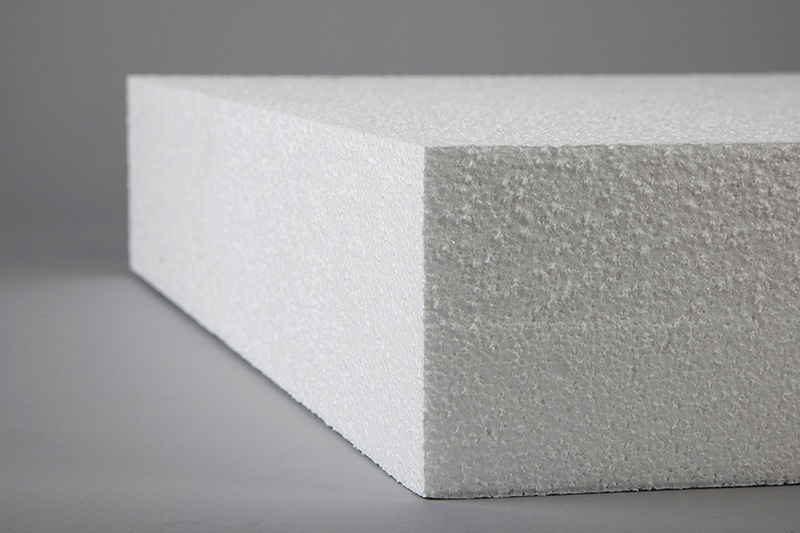
As energy efficiency rules get stricter, EPS blocks are drawing more interest in today’s building projects. They give lightweight insulation, useful structural help, and simpler setup in many building uses. By 2026, they turn into a stronger choice for jobs that focus on heat performance and budget control.
What Are EPS Blocks and How They Work
البوليستيرين الموسع (EPS) blocks are light, stiff foam items made from polystyrene beads. These beads grow when they meet steam and pressure. You often see EPS in food and electronics packaging. It gives solid protection for fragile goods during shipping and keeping. Its heat-blocking features also make it a top pick in building work. There, it works as a good insulating item for walls, roofs, and floors. This special cell structure holds air inside millions of sealed cells. As a result, it creates great resistance to heat.
In building, EPS blocks serve as a shield that cuts down heat movement between inside and outside spaces. Their low heat flow rate keeps rooms warmer in cold weather and cooler in hot weather. This cuts energy use a lot. Since they are light but strong, workers can handle them easily on the job site. They do not need big machines or tricky setup steps.
EPS technology matters more for green building ways. The material can be recycled. Plus, it lasts a long time and has little harm to the environment during making. This fits with world aims for better building methods. As energy rules get tougher around the globe, EPS blocks become key parts in reaching green building approvals.
How Does HUASHENG’s EPS Block Solution Elevate Modern Construction?
When you check out هواشنغ’s EPS blocks for sale, you will see products shaped by careful molding methods. These ensure even thickness and steady work in every block. The company sticks to firmly making rules to keep quality at each step. This starts from picking raw materials to the last check.
Each block is built to offer high strength under pressure while staying light. So, it suits both weight-carrying and non-weight-carrying uses. The item’s toughness means it holds its heat-blocking power even after many years. HUASHENG uses modern check systems. These test each group for even thickness, size steadiness, and water resistance. Such factors matter a lot for keeping heat working over time in different weather.
Besides tech skills, HUASHENG adds green practices to its work. It recycles waste from baking back into new items. This cuts harm to the environment. At the same time, it keeps steady quality for all jobs.
Why Is Energy Efficiency a Priority for Future Building Standards?
As the world aims for zero-carbon goals by 2026, leaders are making energy rules stricter to cut gases from buildings. Insulation items like EPS blocks play a main role in this change. They affect heating and cooling needs directly. These are the biggest parts of energy use in buildings.
Energy-saving buildings not only aid green aims but also bring money gains. Builders can get lower running costs later because of less load on air systems. Home owners gain from smaller bills. They also enjoy steadier room temperatures all year.
How Do EPS Blocks Support Energy-Efficient Design?
EPS insulation’s sealed-cell build gives strong heat resistance numbers (R-values). It cuts heat flow well through walls, floors, and roofs. This helps lower heating in cold times and cooling in hot peaks. The material fits easily into new wall setups, roof parts, and under-floor layers. It does so without hurting design choices or building strength.
Over many years, EPS keeps its form and heat-blocking skill. It does not take in water or break down fast under weather stress. Thus, it gives steady work for the whole life of the building.
What Are the Five Cost-Saving Benefits of Using Foam Insulation Blocks?
Reduced Energy Consumption Costs
EPS blocks cut HVAC energy use a lot by lessening heat passing through building shells. Their strong heat works, meaning you pay less for heating in winter and cooling in summer. This leads to big savings each year.
Lower Installation and Maintenance Expenses
Since these blocks are light, they need less worker effort to set up than heavy old materials like concrete or mineral wool sheets. Their neat-cut sides allow fast placing without special tools or glues. Upkeep is low because EPS does not decay or draw bugs.
Extended Building Lifespan and Structural Protection
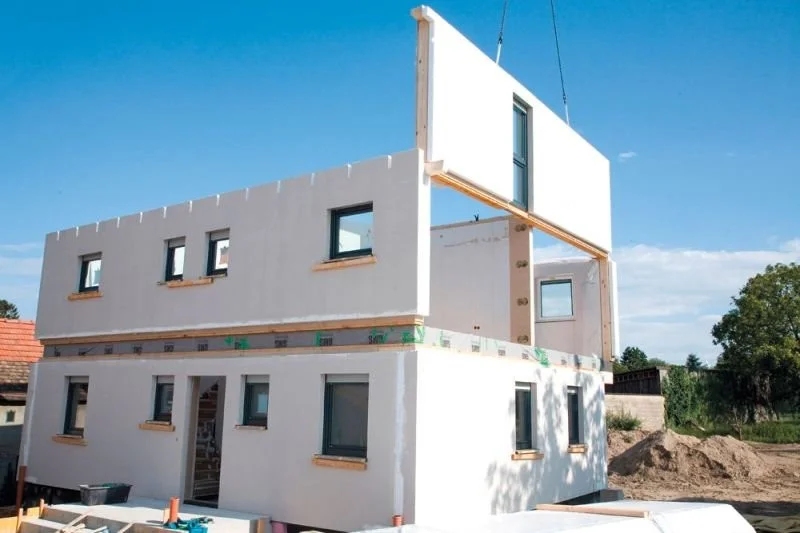
Water resistance stops mold from growing. It also guards nearby building parts from harm caused by water buildup. By cutting heat growth cycles in walls or bases, EPS insulation boosts building life. It also keeps looks intact.
Savings from Material Efficiency and Waste Reduction
Exact cutting makes very little waste on site during setup. Makers often use recycling plans that turn scraps into new items. This lowers the use of raw supplies over making rounds.
Long-Term Return on Investment (ROI) for Developers and Owners
The first setup costs might be a bit more than usual options. However, ongoing energy savings soon make up for it. Also, buildings with EPS insulation often get higher sale prices. This comes from meeting green rules like LEED or BREEAM approvals.
How Do EPS Blocks Compare with Other Insulation Materials?
When you look at EPS next to extruded polystyrene (XPS) or polyurethane (PU) foam, key differences show in heat flow rates and green traits. XPS gives a bit more strength under pressure. But EPS offers better value for money per heat block unit. PU foams might give better R-values at first. Yet, they can wear out quicker over time from taking in water.
On the green side, EPS shines for its ability to recycle and smaller energy use in making compared to PU foams. Those foams depend much on chemical gas makers.
Jobs aiming for 2026 green marks now pick EPS more. It balances low cost, steady work, and long-term green measures well.
Why Are EPS Blocks Poised to Lead the 2026 Energy-Efficiency Market?
New ideas keep changing what foam insulation can do. Makers are using smart making tools that let exact control of block thickness spread. This boosts both strength and even heat across big jobs.
Studies aim to better fire safety levels without hurting recyclability or safe rules. This helps meet changing world-building codes for people’s safety.
For designers or builders planning lasting projects, picking the right thickness based on use (walls vs. floors vs. roofs) gives the best outcomes. It also keeps costs low through building steps.
Working with approved sellers who offer HUASHENG’s full product line ensures real items tested under world quality rules. This gives reliable supply for big business builds and home ones.
How Are EPS Blocks Applied Practically in Sustainable Construction Projects?
In home buildings, foam blocks in outside wall setups help keep inside air steady all year. They also cut monthly bill costs. These setups aid in getting known green approvals like LEED or BREEAM. They meet tough heat-saving rules.
For business buildings that want cost cuts and green aims, big foam blocks fit well into wall frames or roof tops. They do so without losing design freedom. Over many years of use, their top heat control skills lead to lower running costs. This is a main plus for running big places like offices or shops.
أسئلة متكررة
Q1: Are EPS blocks environmentally friendly?
A1: Yes. They are recyclable materials with low embodied energy during manufacturing processes compared with other foams like polyurethane.
Q2: Can these insulation blocks be used below ground level?
A2: Absolutely—they resist moisture absorption effectively when installed correctly around foundations or under slabs.
Q3: How long do EPS blocks retain their insulating properties?
A3: When properly protected from UV exposure and mechanical damage, they maintain consistent performance for several decades without significant degradation.
 Arabic
  English
  German
  Spanish
  French