
Expanded polystyrene (EPS) foam continues to serve as a fundamental material in construction, cold-chain logistics, precision packaging, and lightweight load-bearing systems. Although substitute foam materials and mineral-based insulating products are emerging, EPS has its practical value due to its lightweight characteristics, reliable structural performance, flexible shaping capabilities, and strong thermal efficiency in a single consistent polymer base.
Modern EPS is no longer a simple basic packaging filling. Current products are produced through precise control over bead expansion processes, strict density adjustment, integration of specialized additives, and increasingly, recycled content management. The overall performance now relies not only on chemical composition but also on manufacturing precision, sustainability strategy, and regulatory compliance.
This guide outlines the manufacturing process for EPS, the impact of various grade classifications on performance, and the proper choice of formulations based on application constraints.
What Exactly Is Expanded Polystyrene (EPS) Foam?
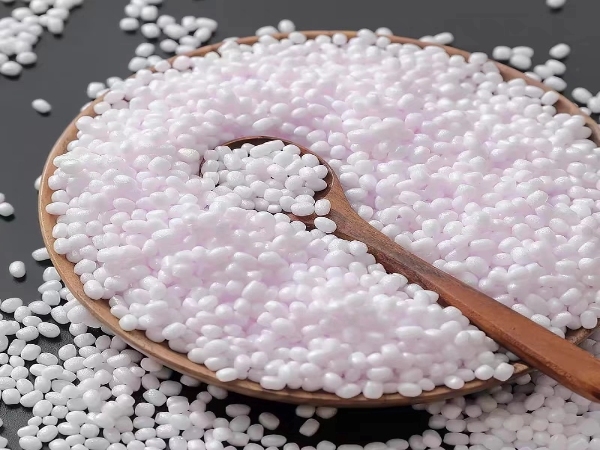
EPS originates from expandable polystyrene beads that include a blowing agent. During steam-based pre-expansion, the beads soften considerably and grow into closed-cell formations largely occupied by air. Following a period of stabilization and maturation, these expanded beads undergo molding with applied heat and pressure to create firm, low-weight foam elements.
How Is EPS Produced from Raw Polystyrene Beads?
The manufacturing sequence consists of four primary phases:
- Initial expansionis activated by steam exposure
- Maturation period allowing internal pressure equilibrium
- Shaping in molds using regulated steam penetration
- Final cooling phase followed by removal from molds
Uniformity in bead sizes and the degree of expansion directly influences resulting density levels, bonding strength between cells, and external surface characteristics. Certain rapid prototyping grades, for instance, prioritize consistent particle sizes and excellent flow properties to achieve brief curing durations and refined surface appearances.
Why Is EPS Structurally Lightweight Yet Strong?
Over ninety-five percent of typical EPS volume consists of trapped air. The closed-cell structure spreads compressive forces evenly across interconnected beads, providing effective cushioning against impacts and size stability even when density falls in the 15–30 kg/m³ range. Mechanical strength rises in proportion to density increases, while thermal transmission rates generally decline as cell structure becomes more uniform.
Why Has EPS Foam Remained Relevant Across Industries?
EPS demonstrates dependable performance in both protective cushioning against mechanical shocks and effective resistance to heat flow. The material’s processing adaptability and predictable production expenses facilitate widespread industrial-scale manufacturing.
Which Physical Properties Drive Its Adoption?
Several essential characteristics account for widespread preference:
- Minimal heat conduction capability
- Substantial resistance to mechanical impacts
- Consistent shape retention following molding operations
- Manageable variation in density levels
Common grades find extensive application in protective packaging and thermal insulation due to rapid expansion behavior, attractive surface quality, and abbreviated molding durations.
Where Does EPS Perform Better Than Alternative Materials?
Relative to molded fiber-based packaging or mineral fiber insulation, EPS delivers greater reductions in overall weight and noticeably lower water uptake. In comparison with polyurethane foams, EPS presents simpler recycling pathways and reduced complexity during shaping processes.
Actual effectiveness, nevertheless, hinges substantially upon proper grade determination.
How Do Different EPS Grades Affect Application Results?
EPS is divided into different categories, including common grades, flame-retardant grades, graphite-modified grades, درجات حماية البيئة, and carbon-modified materials.
What Is a Rapid Prototyping EPS Grade Used For?
Rapid prototyping grades are widely used in automated molding equipment that enhances the packaging efficiency.
إن B Rapid prototyping grade EPS foam, for example, provides:
- Consistent bead size distribution
- Reduced curing duration
- Enhanced efficiency during vacuum cooling stages
- Suggested expansion ratios between 40 and 65 times
Such attributes shorten the overall production cycle time and promote greater size precision in electrical appliance and precision instrument packaging.
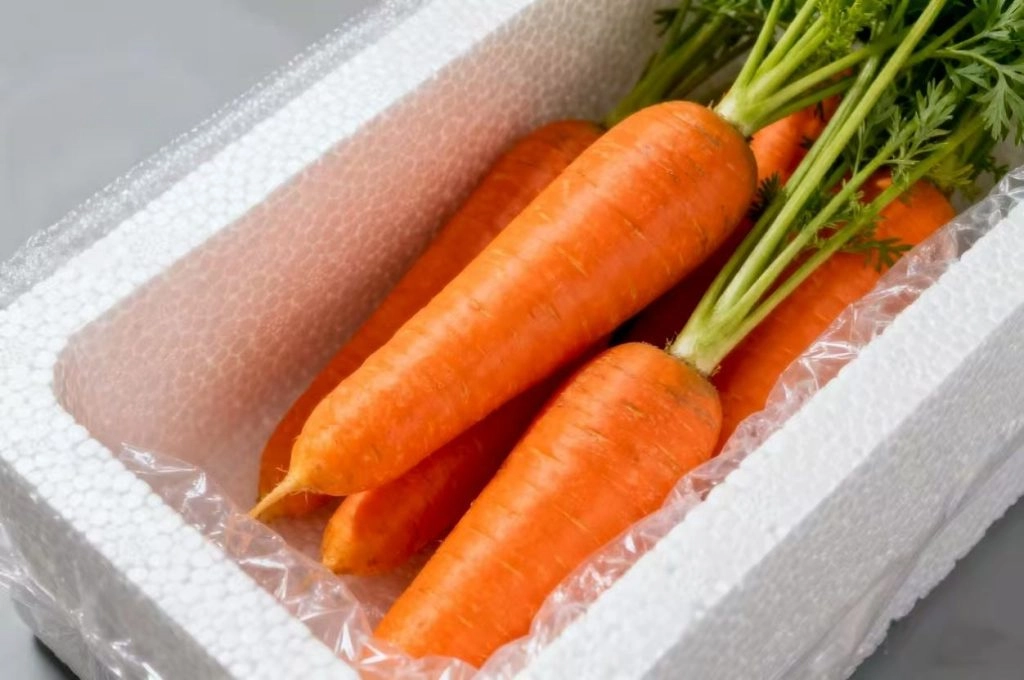
When Is Flame-Retardant EPS Necessary?
Enhanced fire performance is critically important in building insulation and some protective packaging applications.
إن F-رغوة EPS مقاومة للشعلة is certified under UL specifications and conforms to GB/T10801.1 and GB8624 performance standards. Proper maturation periods are essential for attaining B2 combustion performance levels, as inadequate maturation periods often result in decreased fire resistance properties.
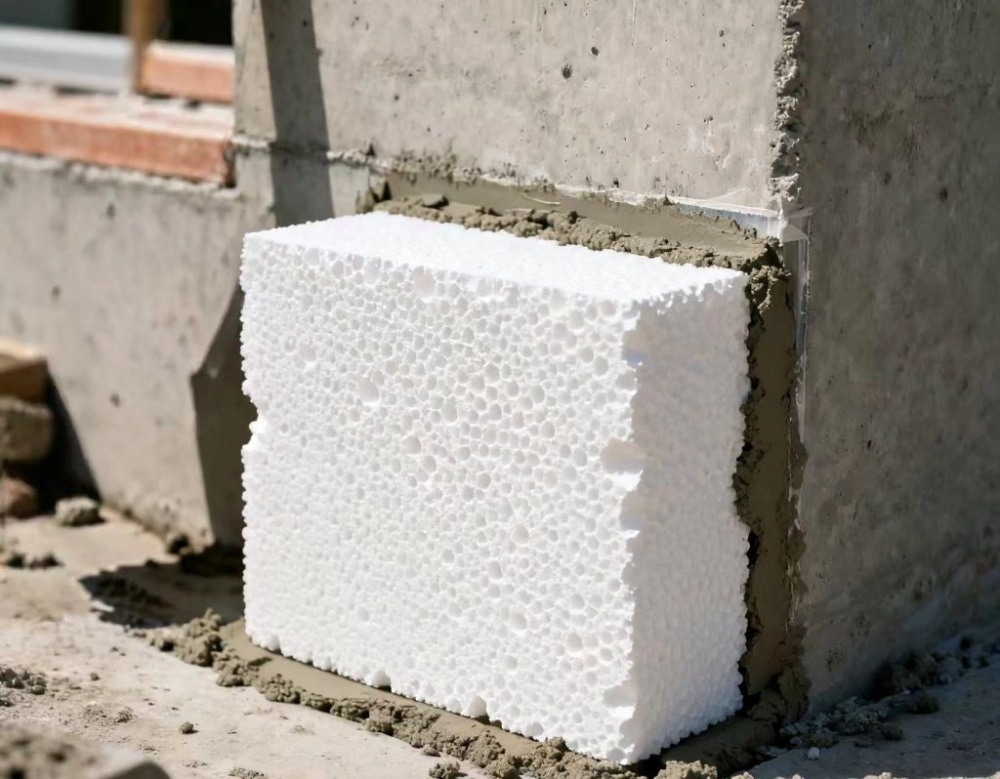
These grades also have fine cellular structures, strong fusion bonding, and dimensional stability.
How Does EPS Foam Support Energy-Efficient Construction?
In exterior building assemblies, EPS functions effectively as a barrier against unwanted heat movement, thereby decreasing requirements for heating and cooling systems.
Why Does EPS Improve Building Thermal Performance?
Graphite-enhanced EPS incorporates infrared-absorbing substances directly in the polymer structure, resulting in noticeably reduced thermal conductivity values. Typical performance comparisons include:
- Standard EPS formulations: approximately 0.039 W/m·K
- Graphite-modified versions: below 0.033 W/m·K, delivering insulation improvements exceeding twenty percent
Such formulations are particularly suitable for advanced external wall thermal barriers and structures designed according to passive house principles.
What Role Does Density Selection Play in Insulation Systems?
Elevated density values enhance resistance to compressive forces, although producing modest effects on insulating capability. Applications in passive construction frequently employ density ranges of 18–30 kg/m³ to achieve balanced mechanical durability and thermal effectiveness.
How Is EPS Becoming More Sustainable Today?
Present-day EPS manufacturing places increasing emphasis on material recovery practices and overall carbon emission minimization.
Can EPS Truly Be Recycled Efficiently?
Mechanical recovery methods, volume reduction through compaction equipment, and fully enclosed reprocessing cycles substantially lessen ecological consequences. State-of-the-art production facilities now routinely accomplish recycling percentages surpassing ninety-five percent while simultaneously decreasing energy requirements by roughly thirty percent.
Compaction approaches enable volume reduction factors reaching 1/90, thereby improving logistical efficiency during transportation.
How Does Material Innovation Reduce Environmental Impact?
Engineering advancements at the nanoscale have strengthened closed-pore configurations, yielding compressive strength improvements of around forty percent without density increases. Verified carbon footprint assessments indicate regenerated EPS masterbatch generating 719.14 kg CO₂e per ton (cradle-to-gate basis) in accordance with ISO 14067:2018 guidelines.
Who Is Advancing EPS Technology Through Industrial Innovation?
One manufacturer actively contributing to next-generation EPS engineering is هواشنغ, an enterprise specializing in expandable polystyrene R&D, production, and sustainable material systems.
Located in Northwest China, we maintain integrated digital simulation laboratories, advanced foaming equipment, and precise testing facilities to improve density uniformity, compressive strength, and thermal insulation performance. Its Intelligent manufacturing lines, combined with European twin-screw extrusion technology, support the development of graphite-enhanced polystyrene materials.
Through the “three-circulation” manufacturing system, we achieve higher efficiency in waste material recovery and plan to establish carbon-neutral demonstration facilities targeting an 85% reduction throughout the production chain. Our products include common, flame-retardant, graphite-modified, environmental protection, and customized grades to serve building insulation, cold-chain transport, seismic packaging, and precision electronics protection.
How Should EPS Foam Be Selected for Different Applications?
Proper material choice requires careful alignment with primary performance objectives.
Which Factors Should Be Evaluated First?
Initial assessment typically considers:
- Necessary density specifications
- Anticipated expansion multiple
- Required fire performance classification
- Targeted thermal conductivity value
- Demanded mechanical resistance levels
Production of very low-density sheet materials, for instance, benefits from FB-light flame retardant grades capable of achieving apparent densities below 10 kg/m³ while preserving necessary fire-resistant characteristics.
How Do Processing Conditions Influence Final Quality?
Factors including steam penetration depth, mold surface temperature, cooling velocity, and duration of maturation directly determine the quality of bead interconnection and resulting size accuracy. Storage environments maintained below 25°C are advisable for numerous grade types to ensure consistent performance characteristics over time.
What Common Mistakes Reduce EPS Performance?
Incorrect blending of flame-retardant formulations with standard non-fire-resistant beads frequently lowers achieved combustion performance levels and potentially invalidates official certification compliance.
Exposure of stored beads to direct sunlight or excessively warm conditions can degrade bead quality and subsequently modify expansion characteristics during processing.
استنتاج
EPS foam can be used for a long time due to its capacity for continuous adaptation. Its cellular structure allows density control, additive integration, and molding versatility. Recent achievements have successfully integrated recycled material, strict carbon footprint verification, and nano-scale structural optimization.
When selected correctly and processed under controlled conditions, EPS is one of the most practical and versatile polymer-based foam solutions currently available for thermal insulation, packaging, and lightweight structural designs.
الأسئلة الشائعة
Q1: Is EPS suitable for passive house insulation systems?
A: Affirmative responses apply particularly to graphite-enhanced formulations achieving thermal conductivity values below 0.033 W/m·K and B1 fire performance ratings, which see frequent application in advanced building envelope assemblies.
Q2: How does aging influence flame-retardant EPS performance?
A: Appropriate maturation periods permit gradual dissipation of residual blowing agents, thereby enabling compliance with either B2 or B1 combustion performance classifications according to specific formulation characteristics.
Q3: Can recycled EPS meet regulatory standards?
A: Recovered expandable polystyrene beads have undergone successful verification according to ISO 14067 requirements and demonstrate conformity with REACH and ROHS regulatory testing protocols.






 Arabic
  English
  German
  Spanish
  French