
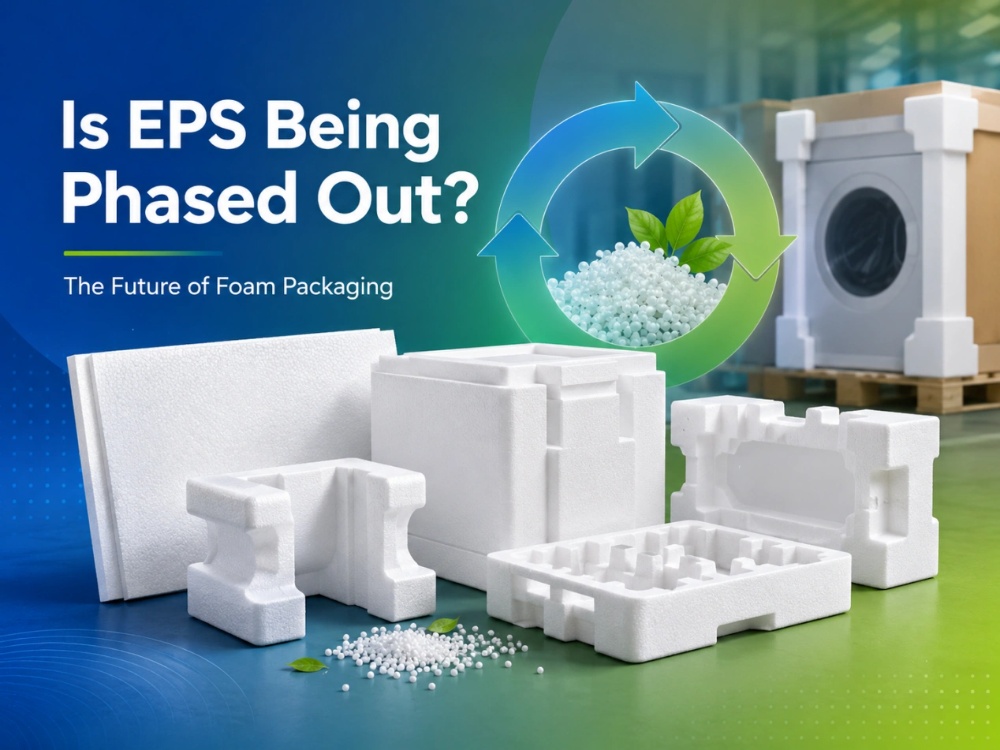
لفتت عناوين الأخبار الأخيرة من ناشفيل انتباه سلاسل التوريد العالمية. فقد عقدت المدينة شراكة مع شركة "فوم سايكل" لتوسيع نطاق إعادة تدوير البلاستيك محليًا بشكل كبير، مُثبتةً بذلك فعالية أنظمة جمع النفايات البلدية في إعادة تدوير البلاستيك المُوسّع. وفي الوقت نفسه، يواصل المنظمون الأوروبيون مناقشة قوانين التغليف الجديدة الصارمة. هذه الإشارات المتضاربة تدفع العديد من مديري المشتريات إلى طرح سؤال بالغ الأهمية: هل يتم بالفعل التخلص التدريجي الكامل من البوليسترين الموسع؟ إذا كنت تشتري مواد خام لمصانع الأجهزة أو شركات البناء الكبرى، فإن هذا الغموض يُسبب مشاكل حقيقية في الميزانية. قد تتساءل عما إذا كان فريقك الهندسي بحاجة إلى إعادة تصميم استراتيجية الشحن بالكامل قبل عام 2026. الإجابة المختصرة هي لا. لا تزال الألواح والكتل البيضاء القياسية تُشكل العمود الفقري للخدمات اللوجستية العالمية. ومع ذلك، فإن المواد الخام التي تُستخدم في صناعتها تتغير بسرعة. بفضل التحسينات الهائلة في إعادة تدوير رغوة البوليسترين الموسع، يتجه السوق الصناعي بقوة نحو نماذج أكثر استدامة ودائرية بدلاً من حظر هذه المادة بشكل كامل. دعونا ندرس ما يعنيه هذا بالنسبة لخطط الشراء المستقبلية وهوامش الربح.
واقع الأنظمة العالمية والتحولات المادية
كثيرًا ما تقرأ فرق المشتريات مقالات إخبارية مثيرة للقلق، فتصاب بالذعر فورًا. إذ يفترضون خطأً أن جميع أنواع البلاستيك الموسع ستصبح غير قانونية بين عشية وضحاها في جميع الأسواق. دعونا نلقي نظرة على القوانين الفعلية التي دخلت حيز التنفيذ عالميًا، ونرى كيف تصمد المواد القياسية أمام القوانين البيئية الأكثر صرامة.
فصل التطبيقات ذات الاستخدام الواحد عن التطبيقات الصناعية
يركز الجهد القانوني الحالي بشكل أساسي على المنتجات ذات الاستخدام الواحد، مثل حوامل الأكواب الأساسية والأطباق وعلب الوجبات السريعة. غالبًا ما تجرف هذه المنتجات إلى البحار والأنهار نظرًا لإهمال المستخدمين لها. أما المواد التجارية، فتخضع لمجموعة قواعد منفصلة تمامًا. لا تزال عبوات رغوة البوليسترين الموسع (EPS) المتينة، المستخدمة لحماية الثلاجات والمعدات الطبية باهظة الثمن ومكونات السيارات الثقيلة، موجودة في مواقع الإنتاج. يدرك المسؤولون حقيقة أساسية: استبدال هذه العبوات الواقية القيّمة بأكوام سميكة من الورق المقوى أو مواد بلاستيكية جديدة كليًا سيزيد في الواقع من أعباء النقل العالمية. تستهلك مركبات النقل الأكبر حجمًا كميات أكبر من الوقود على الطرق، مما يزيد من إجمالي الانبعاثات بشكل مباشر. ونتيجة لذلك، تدعو السلطات إلى تحسين عمليات التخلص من هذه المنتجات بعد انتهاء استخدامها، وإلى إعادة استخدام المزيد من الأجزاء في المواد التجارية، وليس إلى التوقف التام عن استخدامها.
كيفية معالجة النفايات في المنشآت الحديثة
استجابةً لهذه المتطلبات الحكومية الجديدة، أحدثت صناعة البلاستيك ثورةً شاملةً في أساليب إعادة التدوير. لم تعد إعادة تدوير رغوة البوليسترين الموسع (EPS) عمليةً بطيئةً أو يدويةً أو ملوثةً. اليوم، تقوم مكابس صناعية ضخمة بسحق الكتل البيضاء الكبيرة، وعصر الهواء المحبوس لتكوين سبائك كثيفة وثقيلة. ثم تقوم المصانع المتطورة ببثق هذه السبائك مرةً أخرى إلى مواد خام عالية الجودة. الأرقام خير دليل. تُظهر بيانات حديثة تم التحقق منها بواسطة SGS أن طنًا واحدًا من المادة المركزة المُجددة يُنتج بصمة كربونية لا تتجاوز 719.14 كيلوغرامًا من ثاني أكسيد الكربون.2 يُعادل هذا القياس الشامل، من المهد إلى البوابة، فعالية إعادة التدوير الميكانيكية بشكلٍ مذهل. فمن خلال تحويل صناديق الأجهزة القديمة إلى حبيبات جديدة، يُساهم المصنّعون في الحدّ من وصول البلاستيك إلى مكبات النفايات المحلية، ويُقلّلون بشكلٍ كبير من الحاجة إلى استخراج النفط الخام.
مقارنة البدائل في السوق الحالية
عندما تعتقد شركة ما أن حظرًا وشيكًا على مادة معينة قد يؤثر على سلسلة التوريد الخاصة بها، فإنها تبدأ بطبيعة الحال باختبار ألواح بوليمرية أخرى. ومع ذلك، فإن استبدال مادة مجربة ومثبتة يتطلب دراسة متعمقة للأداء الفيزيائي وتكاليف الإنتاج ومدى توافرها الفعلي في السوق لتجنب خسائر فادحة في الأرباح.
تقييم XPS وEPE وEVA
يلجأ المصممون غالبًا إلى تجربة أنواع مختلفة من البلاستيك عند إعادة تصميم طبقة الحماية. يوفر البوليسترين المبثوق (XPS) حماية قوية ضد الرطوبة، وهي ميزة تجعله مناسبًا لقواعد الهياكل المدفونة، إلا أن طريقة تصنيعه مكلفة للغاية وصلبة جدًا بالنسبة لحقائب النقل العادية. يُعد البولي إيثيلين الموسع (EPE) خيارًا شائعًا آخر، فهو مرن للغاية ويعود إلى شكله الأصلي بعد سقوطه عدة مرات. هذه الخاصية تجعله مناسبًا لمواد الحماية، على الرغم من أن تكلفة إنتاجه أعلى بكثير من البلاستيك العادي. أخيرًا، يُستخدم إيثيلين فينيل أسيتات (EVA) كمادة مرنة وعالية الجودة، تُستخدم بشكل أساسي في قواعد الأحذية الفاخرة وحوامل المعدات المتطورة. لا يُقدم أي من هذه الخيارات بديلًا عمليًا ومنخفض التكلفة للاستخدامات اليومية، فإما أنها تتطلب تكلفة أعلى بكثير أو تفتقر إلى قوة التحمل اللازمة لتحمل الصدمات القوية والسريعة.
فعالية التكلفة لـ EPS القياسي
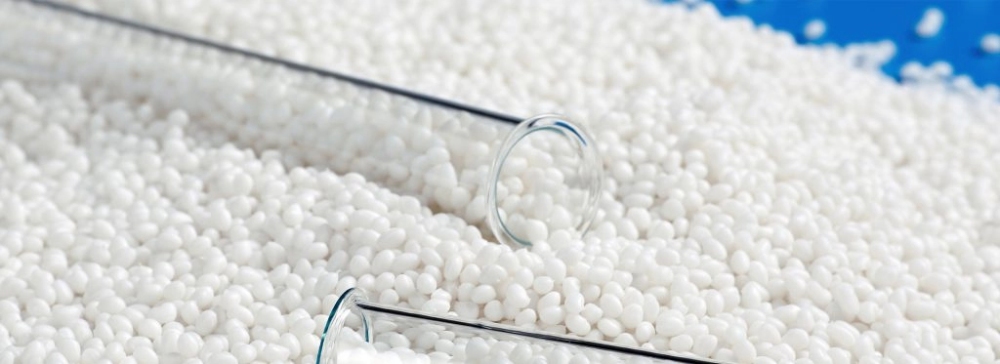
نظرًا لأن البدائل الشائعة لا ترقى إلى مستوى التوقعات من حيث السعر والأداء العام، يبقى البوليسترين الموسع القياسي الخيار الأمثل في المصانع. يكمن سر نجاحه في تركيبته الأساسية، حيث يتكون المنتج النهائي المصبوب من 98% هواء محبوس، بينما لا تتجاوز نسبة البلاستيك الفعلي 2%. أما بالنسبة للتطبيقات العامة، فتعتمد الشركات بشكل كبير على تركيبات محددة مثل... قياسي الصف-E مواد من هواشنغ. تتمدد هذه الخرزات، التي يتراوح حجمها بين 0.3 مم و1.8 مم، حتى 95 ضعف حجمها الأصلي عند تسخينها. ينتج عن هذا التفاعل الفيزيائي ألواح عازلة اقتصادية للغاية للبناء، وممتصات صدمات عالية الموثوقية للأجهزة الإلكترونية. عندما يحتاج البناؤون إلى مقاومة حرارية عالية لمبنى سكني كبير، أو عندما تحتاج المصانع إلى آلاف الصناديق الرخيصة لشحن أجهزة التلفاز، فإن هذا النوع القياسي يوفر قيمة اقتصادية لا مثيل لها.
صعود أنظمة الإنتاج ذات الحلقة المغلقة
لا يعني الابتعاد عن البلاستيك الخام التخلي عن البوليسترين تمامًا. فالمصنعون ذوو الرؤية المستقبلية يبنون أنظمة مغلقة تحوّل نفايات المستهلكين مباشرةً إلى موارد صناعية عالية الجودة دون المساس بالسلامة الهيكلية التي يطلبها البناؤون وشركات التعبئة والتغليف.
التطورات في مجال استعادة المواد
قبل عشر سنوات، كانت طرق إعادة التدوير القديمة تُنتج أحيانًا بلاستيكًا ضعيفًا ومتغير اللون، يتفتت بسهولة في آلة التشكيل. أما الآن، فقد تغير الوضع تمامًا. تستخدم المنشآت المتطورة تقنيات ترشيح وبثق متطورة لإنتاج رغوة البوليسترين الموسع المعاد تدويره (REPS) المُخصصة، والتي تُضاهي في أدائها المواد الخام الجديدة. تلتصق حبيبات البوليسترين المعاد تدويره بإحكام أثناء عملية التشكيل بالبخار، مما يُنتج أسطحًا ناعمة للغاية وجدرانًا داخلية قوية. وبفضل موثوقية عملية إعادة تدوير رغوة البوليسترين الموسع المتقدمة هذه، وجودة نتائجها العالية، تُعيد كبرى شركات تصنيع الأجهزة المنزلية صياغة معايير الشراء الداخلية لديها بثقة. وبذلك، يُمكنها تحقيق أهدافها البيئية دون المخاطرة بتلف المنتجات المكلف أثناء النقل البحري.
تحقيق أهداف الشركة باستخدام المحتوى المعاد تدويره
تواجه الشركات العالمية الكبرى ضغوطًا هائلة من مستثمريها الماليين لنشر تقارير شفافة حول الحوكمة البيئية والاجتماعية وحوكمة الشركات (ESG) سنويًا. ويتعين على مديري المشتريات إيجاد طرق مبتكرة لخفض البصمة الكربونية للشركة بسرعة. ويُعدّ التحوّل إلى عبوات رغوية مستدامة مصنوعة بالكامل من مواد معاد تدويرها معتمدة أحد أسرع وأسهل الطرق لتحقيق هذه الأهداف المؤسسية. فعندما تقوم علامة تجارية بشحن غسالة ملابس ثقيلة في صندوق محمي بألواح معاد تدويرها، يمكنها أن تفخر بالإعلان عن ذلك لعملائها المهتمين بالبيئة. وهذا يحوّل فعليًا تكلفة التغليف التقليدية إلى أداة تسويقية فعّالة. ويؤدي هذا التحوّل الكبير في تفكير الشركات إلى زيادة الطلب العالمي الهائل على حبيبات الرغوة المعاد تدويرها عالية الجودة.
تكييف سلسلة التوريد الخاصة بك باستخدام المواد المتقدمة
إنّ معرفة الحقائق المتعلقة باستعادة المواد ليست سوى الخطوة الأولى لمدير مشتريات ذكي. ولحماية هوامش الربح لديك فعلاً والامتثال لمعايير البناء الأخضر الصارمة، عليك التعاون مع موردين يصممون أنواعاً محددة من الخرز لتلبية متطلبات المصانع المعقدة.
الانتقال إلى حلول البثق المخصصة
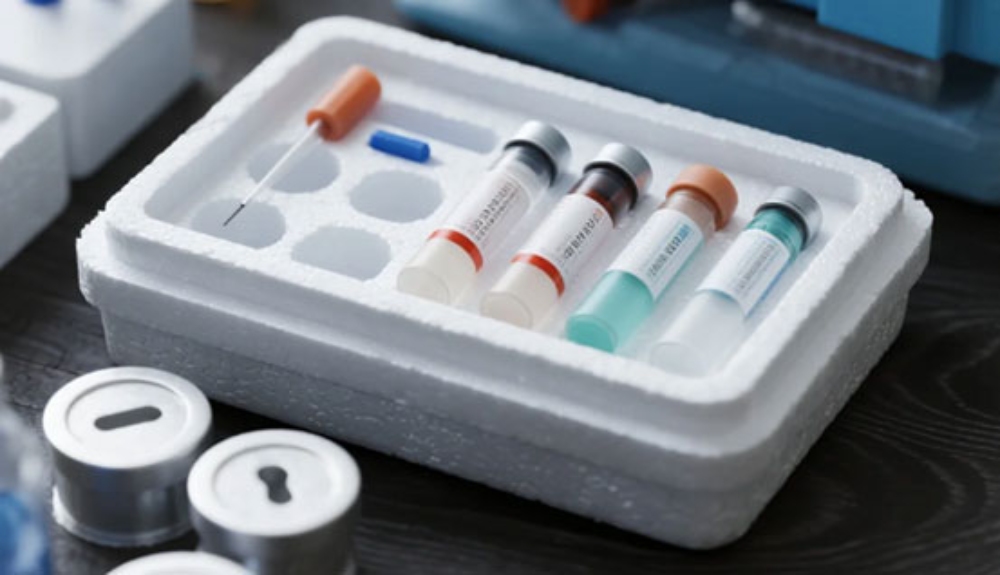
أحيانًا لا تكفي حبيبات البلاستيك البيضاء العادية لتلبية متطلبات التصنيع المتخصصة. فقد يحتاج المصنع إلى خصائص مضادة للكهرباء الساكنة لحماية رقائق الكمبيوتر بالغة الحساسية أثناء الشحن. في المقابل، قد يحتاج فريق البناء إلى تصنيف أعلى بكثير لمقاومة اللهب لعزل المباني من الداخل. وهنا تحديدًا تبرز أهمية رغوة البولي إيثيلين المعاد تدويرها (REPS) المُخصصة. إذ يُمكن لمصنعي المواد الكيميائية تعديل مقاومة السطح أو إضافة مواد مثبطة للهب إلى حبيبات البلاستيك المعاد تدويرها لتحقيق مؤشر أكسجين أعلى بكثير من 30. يُمكّن هذا المستوى العالي من التخصيص المهندسين من استخدام المواد المعاد تدويرها بأمان في مواقع البناء الصعبة أو ممرات الشحن عالية التقنية. وبذلك، تحصل على جميع المزايا البيئية للبلاستيك المعاد تدويره إلى جانب الأداء التقني المتميز لمواد هندسية عالية الجودة.
الشراكة من أجل الاستقرار طويل الأمد
للنجاح في سوق البلاستيك المتغير باستمرار، تحتاج الشركات إلى شركاء موثوقين للغاية. العمل مباشرة مع مصنعين متخصصين مثل هواشنغ تمنح شركتكم إمكانية الوصول الفوري إلى مواد قياسية للاستخدامات اليومية، وحلول إعادة تدوير متطورة للمشاريع الصديقة للبيئة. توفر هذه المواد أحجام حبيبات متناسقة، ونسب تمدد ثابتة، وتقارير موثقة بالكامل عن البصمة الكربونية. من خلال دمج مواد التغليف الرغوية المستدامة في خطوط إنتاجكم اليومية، تحمون سلسلة التوريد الحساسة لديكم من الصدمات التنظيمية المفاجئة. والأهم من ذلك، تحافظون على تكاليف المواد الخام تحت السيطرة التامة، وتدعمون في الوقت نفسه اقتصادًا عالميًا أكثر استدامة.
استنتاج
إن المخاوف المتزايدة من التخلص التدريجي المفاجئ من مادة EPS تستند إلى حد كبير إلى سوء فهم تام للوائح العالمية الحالية. فبينما تواجه عبوات الطعام ذات الاستخدام الواحد حظرًا صارمًا، فإن المواد الصناعية الثقيلة تتطور ببساطة لتلبية المعايير الجديدة. ولا يزال مستقبل الشحن العالمي يعتمد بشكل كبير على عبوات رغوة EPS لأنه لا توجد مادة أخرى تضاهي مزيجها الفريد من الوزن الخفيف، وامتصاص الصدمات الممتاز، والسعر المنخفض للغاية. ومن خلال تبني المواد المعاد تدويرها الحديثة مثل رغوة REPS مخصصة, بإمكان شركتك تلبية المعايير البيئية الصارمة بسهولة دون التضحية بهوامش الربح التي حققتها بشق الأنفس. إذا كان فريقك الهندسي يرغب في التحول إلى استخدام حبيبات معاد تدويرها عالية الجودة أو يحتاج إلى مصدر موثوق للغاية لألواح العزل القياسية، الاتصال HUASHENG اليوم. يمكن لخبرائهم التقنيين تقديم تقارير اختبار مفصلة وعينات مادية من المنتج للمساعدة في تطوير عملية التصنيع الخاصة بك.
 Arabic
  English
  German
  Spanish
  French