
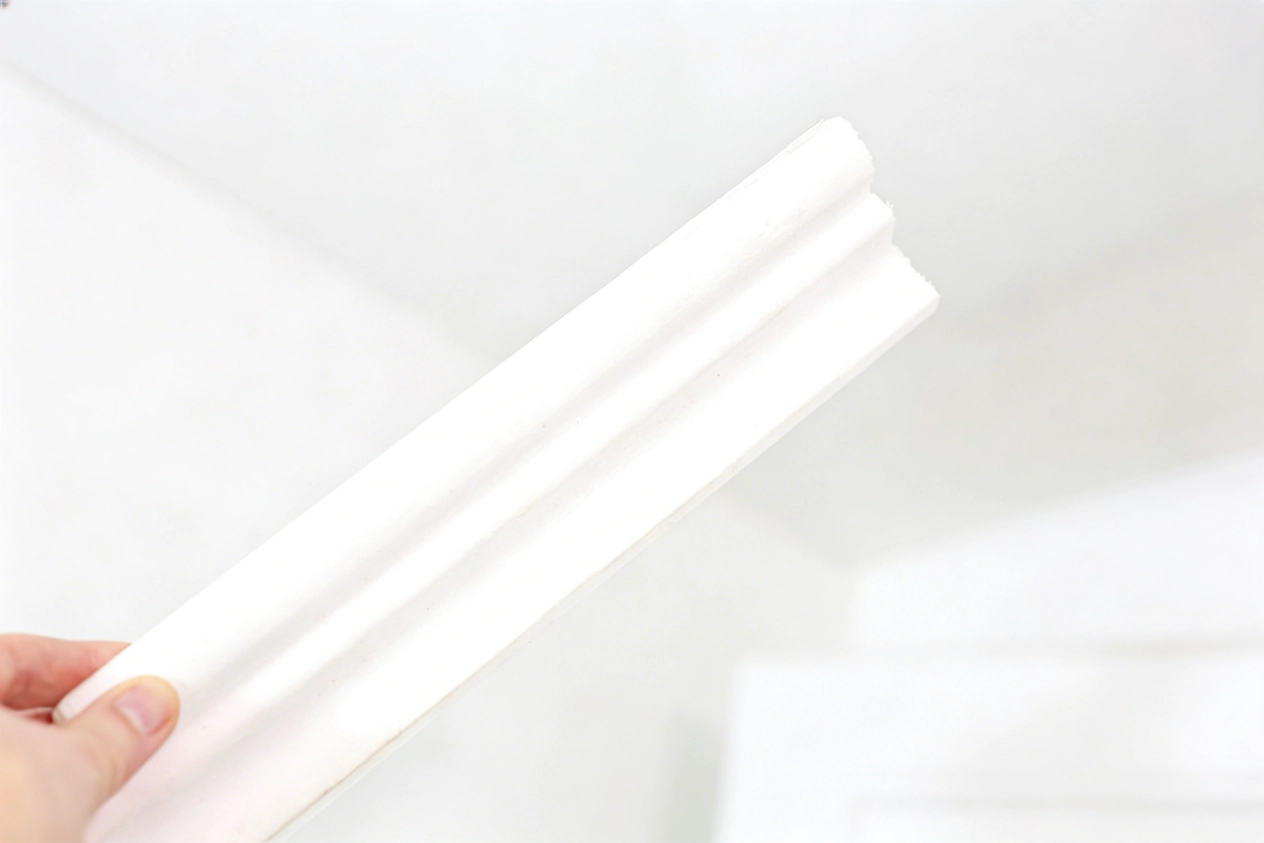
يختلف مجال البناء في عام 2026 اختلافا كبيرا عن ما كان موجودا قبل عشر سنوات. نحن الآن نواجه جداول ضيقة على الوظائف، ونقص مستمر في عمال الحجر المدربين، وقواعد أكثر صرامة على البيئة. بالنسبة للعديد من البناء ، فإن الطريقة السابقة للبناء - الاعتماد على الإمدادات الضخمة والمكلفة والقابلة للكسر - هي طريق سريع للخسارة المالية. وفي الوقت الحاضر، يتحول التركيز إلى التقدم السريع والممارسات الخضراء. ومع ذلك، فإنه يحافظ على المظهر الراقي الذي يطلبه العملاء الراقية. هذا التغيير يفسر العدد الكبير من مناطق العمل التي تتحول من الخشب أو الخرسانة القياسية إلى خيارات الرغوة. أساليب التصميم في الهندسة المعمارية تقدم، والإمدادات تحتاج إلى تطابق. يبحث الأفراد عن حواف سقف رائعة ومخططات نافذة واضحة. ومع ذلك ، يرغبون أيضًا في الانتهاء قبل عدة أشهر. وهذا المزيج يشكل تحديات. لكنه يظهر بالضبط لماذا البوليستيرين الموسع يعمل كجزء رئيسي من اليوم’ طبقة خارجية بناء.
تطور اتجاهات التصميم المعماري في عام 2026
تخضع أساليب البناء الحالية لمرحلة مثيرة للاهتمام. المظهر التقليدي يختلط مع وظيفة متقدمة. يطلب السكان وأصحاب الأعمال جبهات مزخرفة مفصلة تشبه الأعمال المصنوعة يدوياً من القرن التاسع عشر. وفي نفس الوقت، يتوقعون ميزات توفير الطاقة مثل تلك الموجودة في المختبر الحالي. هذا التوتر يدفع إلى تحول كبير في اختيارات المواد.
الإمدادات القياسية مثل الخرسانة الجاهزة أو الخشب السميك تفشل في تلبية هذين الاحتياجين لفترة أطول. إنها تزن كثيرا للكثير من الهياكل المعدنية الطازجة والخفيفة. بالإضافة إلى ذلك ، تكلف الكثير للتنقل. ونتيجة لذلك، فإن الاتجاهات في التصميم المعماري تفضل الإعدادات المختلطة. يخطط المصممون الآن للمباني مع إطارات داخلية قوية. في الوقت نفسه ، يأتي المظهر الخارجي من أجزاء فعالة ذات شكل دقيق. تقدم هذه الطريقة تفاصيل دقيقة أثبتت أنها مكلفة جدا لأي شيء غير المنازل الفاخرة العليا.
الدفع لمواد البناء المستدامة والمعاد تدويرها
العامل البيئي لم يعد “ لطيف أن يكون” الخيار؛ في عام 2026 ، سيكون هذا شرطا قانونيا. لقد جعلت ضرائب الكربون الجديدة والاعتماد الواسع النطاق لمعيار GRS (المعيار العالمي المعاد تدويره) البناء حذرين جداً بشأن سلاسل توريدهم. هذا هو المكان الذي تغير فيه مواد EPS المعاد تدويرها اللعبة. طن واحد من REPS masterbatch ، مثل تلك التي تنتجها هواشنغولها بصمة كربونية مؤكدة تبلغ حوالي 719.14 كيلوغرام من ثاني أكسيد الكربون2 معادلة.
بالنسبة للمشتري B2B ، فإن استخدام REPS هو خطوة استراتيجية رئيسية. يساعد المشروع على تحقيق أهداف شهادة LEED ونداءات للقطاع المتنامي من “ أخضر” المستثمرين. عندما تخبر مطورًا بأن تزيينهم الخارجي مصنوع من محتوى معاد تدويره عالي الجودة الذي يؤدي في الواقع بشكل أفضل من البلاستيك العذراء ، فأنت تغلق الصفقة بشكل أسرع. إن الأمر يتعلق بإثبات أن المبنى يمكن أن يبدو كلاسيكيًا بينما يكون حديثًا كيميائيًا ومسؤولًا بيئيًا.
الطلب على الهندسة المعقدة والحادية
سوق الفخامة اليوم يكره الحواف المستديرة والغامضة على قوالب. يريدون خطوط الظل الحادة والحادية التي تحصل عليها عادة فقط من الحجر المكلف بالآلات الحاسوبية الآلية. تحقيق هذا مع الجص التقليدي هو كابوس لأن الحواف شريحة أثناء الشحن. ومع ذلك، باستخدام شيء مثل النماذج الأولية السريعة الصف B الرغوة تسمح للمصنعين لتحقيق دقة لا تصدق.
صممت هذه الدرجة من الرغوة خصيصا للعمل عالية التفاصيل. لديها هيكل حبة أقوى (أحجام الجسيمات بين 0.6mm و 1.8mm) ، مما يعني أنه عندما يتم قطعه بواسطة سلك ساخن أو جهاز توجيه CNC ، فإن السطح ناعم تمامًا. البناء يحبون هذا لأن الرغوة أكثر سلاسة ، أقل “ معطف قاعدة” والرمل مطلوب في وقت لاحق. إنه يوفر ساعات من العمل اليدوي وينتج التشطيب الذي يبدو مثل الحجر الجيري الغالي بمجرد طلائه.
الكفاءة والسلامة في موقع العمل الحديث
إذا كنت تتحدث إلى أي مدير موقع اليوم ، فإن أكبر صداع لهم هو ’ t الطقس—it’ S العمل. يتقاعد العمال المهرة، ويتوقع الجيل الجديد من العمال بيئة عمل أكثر أمانا وكفاءة. حمل كتل الخرسانة وزنها 100 رطل على السقالة 40 قدم هو وصفة لإصابات الظهر والتقدم البطيء.
اللوجستيات لموقع العمل في عام 2026 تتطلب الكثير “ نحيف” النهج. تريد المواد التي تظهر جاهزة للتثبيت ، وليس المنتجات التي تحتاج إلى ثلاثة أيام من التجفيف أو الخلط المتخصص. هذا هو السبب الرئيسي في أن المتعاقدين يزيلون الحمولات الميتة الثقيلة من مخططاتهم. عندما تقلل من وزن الجلد الخارجي ، تقلل من الإجهاد على الفريق بأكمله ، من المهندسين إلى الرجال على السلالم.
تركيب كورنيس خفيف الوزن: ميزة السلامة والسرعة
في الماضي ، كان تركيب كورنيس سقف كبير يعني استئجار رافعة. كان عليك تنسيق التسليم، وقطع الشارع، ودفع مشغل معتمد آلاف الدولارات. مع تركيب كورنيس خفيف الوزن ، يمكن للعاملين حرفياً حمل قسم يبلغ طوله 12 قدمًا تحت ذراعيهما ومشيه على درج قياسي.
لأن رغوة EPS وزن الكورنيكات حوالي 80٪ إلى 90٪ أقل من الحجر ، وتقلل المخاطر المادية للعمال بشكل كبير. إذا انزلقت قطعة، فإنه لا’ t سحق القدم؛ انها فقط ترتد. هذا الوزن المنخفض يعني أيضًا أنه يمكنك استخدام مواد لاصقة بناء بسيطة وبعض المكونات الميكانيكية بدلًا من حفر مسامير المرساة الضخمة في اللوحة الهيكلية. تحول عملية خطيرة متعددة الأيام إلى مهمة بعد الظهر بسيطة يمكن لأي شخص في الطاقم التعامل معها بأمان.
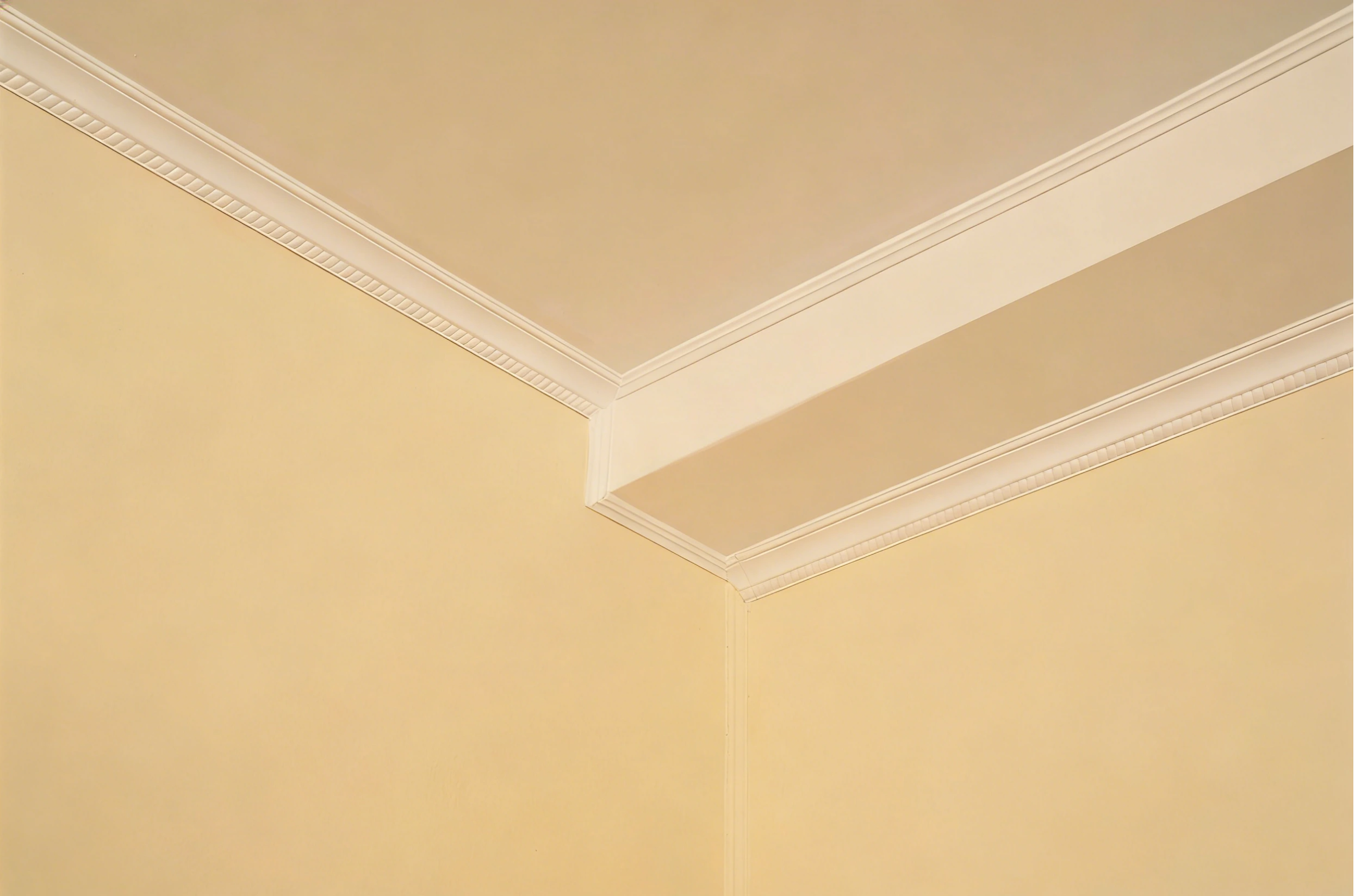
المواد الموفرة للعمالة كحل لنقص التجارة
صناعة البناء تقاتل حاليا حربا من أجل المواهب. إذا كنت بحاجة إلى نقاش حجر رئيسي، يمكنك الانتظار ستة أشهر ودفع قسط. ولكن إذا كنت تستخدم مواد توفر العمالة ، يمكنك استخدام طاقم الجانب الخارجي القائم لتثبيت التشطيب الزخرفي. هذه قطع الرغوة هي أساسا “ ليغو للبالغين ”
إنها تأتي مسبقاً مصبوبة أو مسبقاً مقطوعة إلى الأبعاد الدقيقة للنافذة أو خط السقف. لا توجد حاجة إلى النقش في الموقع أو الصب الرطب الفوضوي. قمت بقطعها بمنشرة أساسية ، ولصقها ، وانتهيت. هذا يسمح للمقاول العام للحفاظ على المشروع يتحرك حتى لو كان بإمكانه ’ t العثور على البنانين المتخصصين. إن الأمر يتعلق بإخراج التعقيد من الميدان ووضعه في عملية التصنيع التي تسيطر عليها المصنع حيث يتم ضمان الدقة.
استدامة طويلة الأجل والأداء في المناخات القاسية
هيكل’ الجبهة هي دروعها الرئيسي. فهي تتحمل التعرض للشمس ، والأمطار الغزيرة ، وأنماط صعبة للتجميد والذوبان الشائعة في العديد من المناطق الباردة. تعبت شركات البناء من زيارات العودة بعد عامين من الانتهاء. تتحلل أجزاء الخشب، أو تنقسمات الصخور.
يتم قياس القوة الآن على مدى عقود وليس سنوات واحدة. المشترين يعرفون حقائقهم. يقومون بمراجعة تكاليف الملكية الكاملة. يسعون إلى ضمان ضد إعادة طلاء أو إصلاح الخارج كل بضع فترات. هنا ، تتفوق الطبيعة الثابتة للبوليستيرين الموسع على الإمدادات المعيشية.
صب مقاوم للرطوبة لواجهات صفر تعفن
الخشب يتحلل كمادة حية. يأخذ السوائل ، ويتورم ، ويغذي النمو مثل الفطريات أو الحشرات. الرغوة ، كبلاستيك مغلق ، تقدم تشكيل مقاوم للماء بالكامل. يرفض تناول السوائل. كما أنه يمنع انتشار القوالب أو البقع الرطبة.
في المناطق الساحلية الرطبة أو الأماكن ذات الثلج السميك ، يحتفظ EPS بحجمه ثابتًا. يتجنب الانحناء أو الانحناء تحت الشمس بعد الطقس الرطب. بالنسبة للمالكين ، يبقي هذا الجبهة الطازجة لمدة 20 أو 30 سنة. الشطف الأساسي مع أنابيب المياه يفعل ذلك. بالنسبة للبناة ، فإنه يزيل ضمانات تسلل الخشب ، وحماية اسمهم وأرباحهم.
تصميم خارجي متين يقاوم دورة التجميد والذوبان
في المناخات الباردة ، يدخل الماء المسام الصغيرة من الحجر أو الخرسانة ، ويتجمد ، ثم “ spalls” أو شرائح من السطح. لأن الـ EPS مرن على المستوى المجهري ، فهو يتعامل مع التوسع الحراري والتقلص بشكل أفضل بكثير من البناء الصلب.
يستخدم التصفيف الخارجي المتين الحديث نواة EPS ملفوفة بشبكة ألياف زجاجية وطلاء أسمنتي معدل بالبوليمر. هذا “ ساندويتش” يخلق البناء سطحًا صعبًا بما فيه الكفاية لمقاومة البرد والطيور ولكن مرنًا بما فيه الكفاية للتحرك مع المبنى. لا يتصدع عندما تتقلب درجة الحرارة 40 درجة في يوم واحد. هذه المرونة هي نقطة بيع ضخمة لعملاء B2B الذين يطورون أصول تجارية طويلة الأجل مثل الفنادق أو مراكز التسوق.
تحقيق واجهات فعالة من حيث التكلفة من خلال اختيار المواد
في نهاية المطاف، البناء هو عمل. كل دولار ينفق على الواجهة هو دولار’ t الذهاب إلى المطور’ جيب S. ومع ذلك، يمكنك’ t فقط “ رخيصة خارج” على الخارج، أو المبنى won’ بيع أو تأجير. الهدف هو العثور على “ حلو بقعة” حيث يبدو المبنى مكلفاً ولكن تكلفة البناء أقل بكثير.
الواجهات الفعالة من حيث التكلفة’ t فقط حول سعر المواد في الصندوق. عليك أن تنظر إلى “ تكلفة التثبيت. ” ويشمل ذلك الشحن والعمالة والنفايات والصيانة. عندما تضيف كل هذه ، تصبح الحجة المالية للرغوة لا يمكن إنكارها لأي مشروع واسع النطاق.
تقليل ضريبة الكربون والنفايات
التصنيع الحديث يسمح بكفاءة أعلى بكثير من الأساليب التقليدية. على سبيل المثال، هواشنغتركز عملية الإنتاج على تقليل الخردة. عندما ننتج الصف القياسي الخرز، ونحن نضمن أن نسبة التوسع يتم تحسينها بحيث يحصل الشركة المصنعة على أكبر حجم لأموالهم.
وعلاوة على ذلك، فإن استخدام المواد المعاد تدويرها المعتمدة على GRS يمكن أن يساعد الشركات الكبيرة على تجنب ضرائب الكربون الثقيلة التي يتم تنفيذها في جميع أنحاء أوروبا وأمريكا الشمالية. أنت تشتري بفعالية “ أخضر” بوليصة التأمين. عندما تستخدم مواد يتم التحقق منها من قبل مؤسسات مثل SGS من أجل بصمتها الكربونية، فإنك توثق التزام شركتك بمستقبل مستدام، وهو ما أصبح متطلبا لعقود البناء الممولة من الحكومة.
لماذا EPS النموذج الأولي السريع هو الفائز المالي
كانت التفاصيل المخصصة أغلى جزء من المبنى. إذا كان المهندس المعماري يريد كورنيس منحني مخصص لزاوية فريدة من نوعها ، فهذا يعني صنع قالب خشبي مخصص لسكب الخرسانة - عملية تكلف الآلاف. ولكن مع النموذج الأولي السريع من الدرجة ب ، يمكن قطع نفس المنحنى في دقائق باستخدام ملف رقمي وآلة أسلاك ساخنة.
هذا النوع من الرغوة يدعم التغييرات السريعة. جرب تخطيطًا، عدله، وشحن البند النهائي في غضون 48 ساعة. هذه السرعة تخلص البناء من التوقف المكلف. بدلا من أسابيع لتسليم الصخور ، يتلقون أجزاء مصممة خصيصا في وقت واحد تقريبا. هذه الوتيرة لا توفر الوقت فقط. كما يطلق الأموال ويسمح للمبني بمعالجة المهمة التالية في وقت مبكر ، مما يزيد من الدخل السنوي.
استنتاج
الانتقال إلى EPS الحواف في عام 2026 تتجاوز الموضة. إنه يستجيب بشكل منطقي لليوم’ مسائل البناء. من خلال الإمدادات الخفيفة ، يتعامل البناء مع نقص القوى العاملة بشكل جيد. إنهم يخلقون جبهات أقوى وأكثر لطفا على الأرض من قبل. بالنسبة لأسلوب صخري خالد من الزمن أو خطة شكل نظيفة وطزجة ، تناسب قاعدة الرغوة المناسبة بشكل مثالي. عند هواشنغنحن متخصصون في توفير المواد الخام عالية الأداء التي تدعم هذه الابتكارات المعمارية ، من معتمدنا GRS ريبس إلى دقتنا النماذج الأولية السريعة الصف B. Don’ t دع المواد القديمة تبطئ مشروعك التالي. اتصل بنا استكشاف مجموعة حلولنا الكاملة ونرى كيف يمكننا مساعدتك في بناء أسرع وأكثر أمانا وأكثر استدامة.
 Arabic
  English
  German
  Spanish
  French