
تطورت الرقابة البيئية من قيود التفريغ البسيطة إلى مسؤولية العملية الكاملة في طول عمر المنتج بأكمله. بالنسبة للشركات التي تنتج البوليستيرين، يؤثر هذا التغيير على مصادر المواد الخام، واختيار المضافات الكيميائية، وأنماط استخدام الطاقة، وآليات استرداد المواد، والامتثال لقواعد التجارة الدولية. وثائق انبعاثات الكربون، وشهادة نسب المواد المستردة، والضوابط على المواد الكيميائية المقاومة للحريق، وسلامة المواد تحدد الآن ما إذا كانت المنتجات يمكن الوصول إلى سلاسل التوريد العالمية.
لم تعد المنافسة محددة فقط بالكثافة الثابتة أو الموصلية الحرارية الكبيرة ، بل تعتمد بشكل متزايد على بيانات انبعاثات الكربون المثبتة ، واسترداد المواد المريح ، وأدلة واضحة على الامتثال التنظيمي. ومع تزايد صارمة المتطلبات البيئية في أوروبا وأمريكا الشمالية ومنطقة آسيا والمحيط الهادئ، يتعين على إنتاج البولي ستيرين التحول إلى التحول الأخضر القائم على التكنولوجيا.
لماذا تصبح قوانين حماية البيئة أكثر صرامة بالنسبة للبوليستيرين؟
المواد البوليمرية ، وخاصة البوليستيرين ، والتي تستخدم على نطاق واسع في التعبئة والتغليف وعزل المباني ، تواجه تدقيقًا متزايدًا بسبب زيادة أعباء مكب النفايات ، وقضايا تلوث المحيطات ، وإطلاقات غازات الدفيئة ، وهلم جرا.
ما هي المخاطر البيئية التي تستهدفها المنظمات؟
وتركز الإشراف أساسا على عدة شواغل حاسمة:
- انبعاثات غازات الدفيئة خلال مرحلة البوليمر
- تراكم المواد المتخلفة ونسبات الاسترداد المنخفضة
- مضادات اللهب الهالوجينة
- تتبع المواد الكيميائية في التجارة الدولية
على سبيل المثال، تواجه بعض مضادات اللهب القائمة على البروم مثل الـ HBCD الآن حظراً في مختلف الأقاليم. ولا تستطيع أساليب التصنيع تقديم أدلة على نسب المحتوى المسترد أو استبعاد مخاطر أداء الكربون الكمية من برامج الشراء المفضلة بيئياً.
كيف تؤثر اللوائح العالمية على الموافقة على المواد؟
تصريح المواد يتطلب حاليا:
- تقارير الامتثال لـ REACH و ROHS
- تصنيف أداء الحريق (B1، B2)
- التحقق من بصمة الكربون
- شهادة المعيار العالمي المعاد تدويره (GRS)
تثبت نتائج المختبرات المستقلة المعاصرة وتقييمات البصمة الكربونية المتوافقة مع ISO 14067 للبولي ستيرين القابل للتوسع المتجدد أن الانبعاثات من المهد إلى البوابة تصل إلى مستويات قابلة للقياس تصل إلى 719.14 كيلوغرام من الكربون ₂ e لكل طن. وتتحول هذه المعايير بشكل مطرد من الممارسة الطوعية إلى متطلبات أساسية.
كيف تغير القوانين البيئية عمليات إنتاج البوليستيرين؟
وقد ركز التصنيع التقليدي لـ EPS بشكل رئيسي على الحفاظ على استقرار الإنتاج وكفاءة التوسع، ولكن مزيج من أنظمة إمدادات الطاقة واسترداد النفايات مهم أيضًا.
لماذا يجب تقليل استهلاك الطاقة؟
وتجبر ضريبة الكربون ومعايير استهلاك الطاقة الصناعية الشركات على خفض استهلاك البخار وتحسين دورات التجفيف وإدخال تقنيات متقدمة لمراقبة العمليات. يمكن لأنظمة التصنيع الحديثة تقليل استهلاك الطاقة الإجمالي بأكثر من 30٪ مع تعزيز الاستقرار التشغيلي.
إن انخفاض استهلاك الطاقة لا يقلل من الانبعاثات فحسب بل يعزز أيضا القدرة التنافسية الاقتصادية في إطار آليات تسعير الكربون.
كيف يحل الابتكار محل الأساليب التقليدية؟
الطلبات البيئية المتزايدة تسرع إعادة التصميم الشامل لتسلسلات التصنيع. في تصنيع البولي ستيرين المعاد تدويره، تحل النهج الفيزيائية لإتقان إعداد الدفعات محل مسارات التغيير الكيميائي، مما يقلل بشكل كبير من الإطلاقات المرتبطة بتدفقات نفايات الإنتاج. على الرغم من أن تشكيل القوالب لا يزال يتضمن توسعًا أوليًا تليه مراحل التشكيل النهائية ، إلا أن الإنفاق الإجمالي على الطاقة أثناء الصب ينخفض بأكثر من 20 في المئة ، مصحوبًا بزيادات في الكفاءة تتجاوز 50 في المئة.
وهذه التطورات تعني أن الوفاء بالالتزامات البيئية غالبا ما يعزز القدرة الإنتاجية بدلا من عرقلة التقدم.
كيف تصبح إعادة التدوير محورية في تصنيع البوليستيرين؟
لم يعد استرداد المواد يعمل مجرد التفكير اللاحق في معالجة النفايات الفائضة. وهي تشكل الآن عنصرا لا يتجزأ من استراتيجية الإنتاج الأولي.
ما هو الدور الذي يلعبه التصنيع الدائري؟
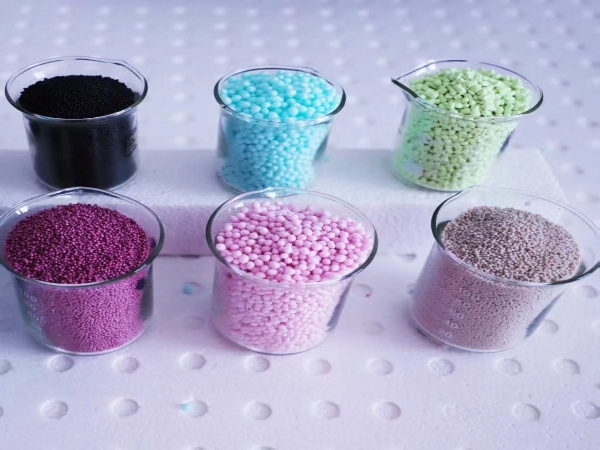
وتقلل الأنماط الدائرية من الاعتماد على المواد الخام البكر وتعزز التوافق مع التجارة عبر الحدود. على سبيل المثال، REPS مادة البوليستيرين المعاد تدويرها يدمج المواد الخام EPS المعاد تدويرها من خلال طرق المعالجة المادية ، مما يوفر مقاومة للتأثير والتخصيص القابل للتكيف مع الامتثال لفئة إعادة تدوير PS الدولية 6. يمكن لمعدات الضغط تقليل حجم EPS إلى 1/90 فقط من حجمها الأصلي ، وبالتالي تحسين الخدمات اللوجستية والكفاءة ودعم إعادة التجريب الداخلي.
كما يؤكد معدل الاسترداد الذي يزيد على 95٪ الجدوى العملية لدورات الإنتاج المغلقة بالكامل على نطاق صناعي.
لماذا تحسن إعادة التدوير القدرة التنافسية الصناعية؟
ويقلل استخدام الـ EPS المعاد تدويره من إجمالي انبعاثات الكربون بنسبة تصل إلى 72٪ مقارنة بمكافآتها البكر ويقلل من احتياجات الطاقة أثناء عمليات الاسترداد الميكانيكي بنسبة 89٪ تقريباً. وتتطلب الكيانات المشترية بشكل متزايد عرض مؤشرات الأداء هذه في التقييمات البيئية والاجتماعية والحوكمة. المنتجين القادرين على توفير كسور المواد المعاد تدويرها المحققة يضمنون مزايا متميزة في وضع السوق.
كيف تحول لوائح مضادة للشعلة تصميم المواد؟
الالتزام بمعايير مقاومة الحريق يشمل الآن أكثر بكثير من تقييمات أداء الاحتراق الأساسية. يتلقى المكياج الكيميائي الفعلي فحصا دقيقا.
لماذا تصبح الحلول غير HBCD إلزامية؟
القيود المفروضة على الـ HBCD تجبر الشركات المصنعة على اعتماد تركيبات بديلة لمنع الحريق. وتلبي تركيبات الخالية من الـ HBCD معايير REACH و ROHS الأوروبية مع معالجة مخاطر التراكم البيئي على المدى الطويل.
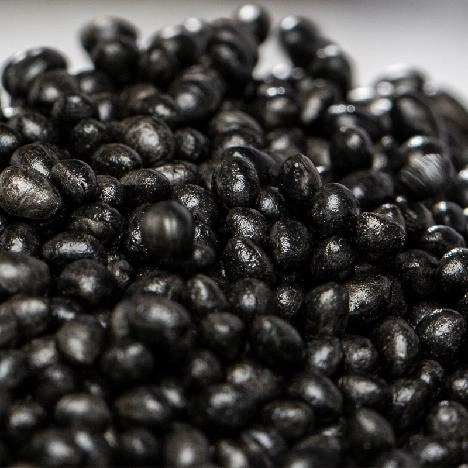
الجرافيت اللهب-مقاوم الصف-FGH-N-HBCD المواد يدمج الجرافيت أو جزيئات الكربون الأسود أثناء إجراء البوليمر التعليق مع استخدام مثبطات اللهب غير HBCD ، وبالتالي تحقيق تصنيف الاحتراق B1 وأحجام الخرز المتسقة واستقرار الشكل الموثوق به.
كيف يدعم تعديل الجرافيت سياسات الطاقة؟
ويحقق دمج الجرافيت قيم موصلة حرارية أقل من 0.033 واط/م·ك، على عكس ما يقرب من 0.039 واط/م·ك الملاحظة في أنواع EPS القياسية. وتتوافق معدلات نقل الحرارة المنخفضة مباشرة مع اللوائح التي تعزز تقليل استهلاك الطاقة في المباني والمعايير المطبقة على بناء المنازل السلبية.
كيف يتكيف المصنعون مع متطلبات الاستدامة؟
ويتطلب الامتثال التنظيمي حاليا تحولا على المستوى النظامي.
ما هي التكنولوجيات التي تسمح بالتصنيع الأخضر؟
وتشمل مواقع الإنتاج المعاصرة:
- مختبرات النمذجة الافتراضية التي تستخدم مفاهيم التوأم الرقمي
- هندسة دقيقة لتكوينات المسام المغلقة على نطاق النانو
- التنظيم الآلي لعمليات التوسع
- معدات متطورة مخصصة لخفض الحجم واستعادة المواد
وقد رفع تطبيق تعديلات المسام المغلقة على مستوى النانو مقاومة الضغط في تركيبات EPS المعاد تدويرها بنسبة 40٪ مع الحفاظ على التوحيد عبر قياسات الكثافة. هذه التحسينات الهيكلية تعزز الموثوقية الميكانيكية دون الحاجة إلى كميات أكبر من البوليمر الأساسي.
كيف يؤثر التفكير في دورة الحياة على تطوير المنتج؟
يبدأ التقييم الذي يغطي العمر الكامل خلال مراحل التصميم الأولية. على سبيل المثال، يضمن قياس الكمية للكربون من المهد إلى البوابة والتحقق المستقل من الصفات الفيزيائية من خلال اختبار SGS التتبع الكامل. ويتكامل الانسجام التنظيمي الآن مباشرة في خيارات البحث والتطوير بدلاً من تلقي الاهتمام فقط بعد الانتهاء من التصنيع.
من يقود الانتقال نحو إنتاج البوليستيرين المسؤول بيئياً؟
إن الإنجاز الإيكولوجي الحقيقي يتطلب مدخلات استراتيجية مستدامة. هواشنغ هي منظمة مكرسة لهذا المجال ، معترف بها كمؤسسة تكنولوجيا متقدمة متخصصة في البحث والبحث عن البوليستيرين القابل للتوسع. د، إنتاج وتطوير المواد المستدامة.
نحن نخصص موارد كبيرة لمرافق التصنيع الذكية والمنصات القائمة على المحاكاة المصممة لتعزيز اتساق الكثافة وقوة الضغط وأداء العزل الحراري. من خلال نظام الإنتاج المميز "ثلاثي الدورات"، فإن معدل استرداد النفايات لدينا يتجاوز 95٪، ويقلل استهلاك الطاقة بنسبة 30٪. نحن نحتفظ بأحد خطوط الإنتاج الذكية الرائدة، والتي يمكن أن تستخدم المواد الخام المعاد تدويرها بنسبة 100٪، ونعتزم بناء منشأة عرضية محايدة للكربون تستهدف تخفيض أكثر من 85٪ في انبعاثات الكربون في سلسلة التوريد بأكملها بحلول عام 2026.
كيف تؤثر القوانين البيئية على أسواق تطبيقات المنتجات؟
وتعيد السياسات البيئية تشكيل قطاعات الاستخدام اللاحقة بشكل جوهري.
ما هي الصناعات الأكثر تأثرا؟
- أنظمة العزل الحراري الخارجي للمباني
- لوجستيات سلسلة البارد
- التعبئة الوقائية للأجهزة الإلكترونية الحساسة
- النقل الطبي والصيدلاني الحيوي
في سياقات سلسلة التوريد في سلسلة البرد، فإن حاويات EPS التي تظهر قيم موصلة حرارية منخفضة للغاية (λ = 0.032 W / m · K) تطول صيانة درجة حرارة مستقرة تصل إلى 96 ساعة، وبالتالي تقليل تلف المنتج مع دعم الالتزام بمعايير HACCP.
لماذا تحصل المواد المستدامة على تفضيل السوق؟
وتفضل مبادرات التصديق للبناء الواعي بيئياً، وسياسات المشتريات التي تؤكد على معايير ESG، وآليات الإبلاغ الإلزامية عن الكربون باستمرار المواد التي تحتوي على محتوى إعادة تدوير موثق. وتحقق مبادرات التعبئة والتغليف التي تستخدم EPS القابلة لإعادة التدوير بالكامل تخفيضات في التكاليف تصل إلى 28٪ بالتزامن مع ارتفاع درجات الأداء في تقييمات الاستدامة.
ما هي التعديلات الاستراتيجية التي يجب على المشترين والمصنعين النظر فيها؟
وتتطلب التطورات التنظيمية إعداداً مستقبلياً.
كيف يجب تغيير معايير اختيار المواد؟
وينبغي أن تؤكد عمليات التقييم على ما يلي:
- المحتوى المعاد تدويره المعتمد
- البصمة الكربونية المحققة
- أنظمة مضادة للشعلة غير المقيدة
- تصنيف أداء الحريق
كيف يمكن تخطيط الإنتاج تقليل المخاطر التنظيمية؟
وتستفيد المرافق من إنشاء سلاسل توريد ذات قابلية للتتبع الكاملة، وتضمين مبادئ التصميم القابل لإعادة التدوير، والحفاظ على سجلات مستمرة من منظمات الاختبار المستقلة لضمان الامتثال الدائم.
استنتاج
لا تزيل اللوائح البيئية الأكثر صرامة البولي ستيرين من الاستخدام الصناعي العملي ، بل تعيد تشكيل مبادئ الإنتاج الأساسية بشكل جوهري. أصبح دمج مواد إعادة التدوير، ومثبطات اللهب غير HBCD، وتعديل الجرافيت، وشفافية بصمة الكربون الآن جوهر القدرة التنافسية في السوق.
يتطور إنتاج البوليستيرين بشكل مطرد نحو نماذج تشغيلية ذكية ودائرة ومنخفضة الطاقة. وستستمر الشركات التي تزامن بنجاح الكفاءة التكنولوجية مع القوانين التنظيمية المتطورة في الاحتفاظ بمناصبها الأساسية في صناعات البناء والتغليف وسلسلة التبريد.
الأسئلة الشائعة
Q1: لماذا غير HBCD مضادات اللهب استبدال الأنظمة التقليدية؟
ج: تستهدف القيود الرسمية الـ HBCD بسبب وجودها البيئي المستمر ومشاكل السلامة المرتبطة به. تركيبات بدون HBCD تلبي متطلبات REACH و ROHS مع الحفاظ على تصنيفات أداء الاحتراق B1.
Q2: هل البوليستيرين المعاد تدويره يضر بالأداء الميكانيكي؟
ج: أدى تنفيذ تعديلات هيكلية نانو متطورة ذات مسام مغلقة إلى ارتفاع قوة الضغط في تركيبات EPS المعاد تدويرها بنسبة 40 في المئة ، وبالتالي الحفاظ على مستويات المتانة مع خفض كثافة الكربون في نفس الوقت.
س3: كيف تؤثر الشهادات البيئية على الوصول إلى السوق؟
ج: التحقق من بصمات الكربون، والامتثال لمعايير REACH و ROHS، وتحقيق شهادة المعيار العالمي المعاد تدويره يحددون تدريجيا المؤهلات لمشاريع البناء الدولية وكذلك مبادرات التعبئة والتغليف.
 Arabic
  English
  German
  Spanish
  French