
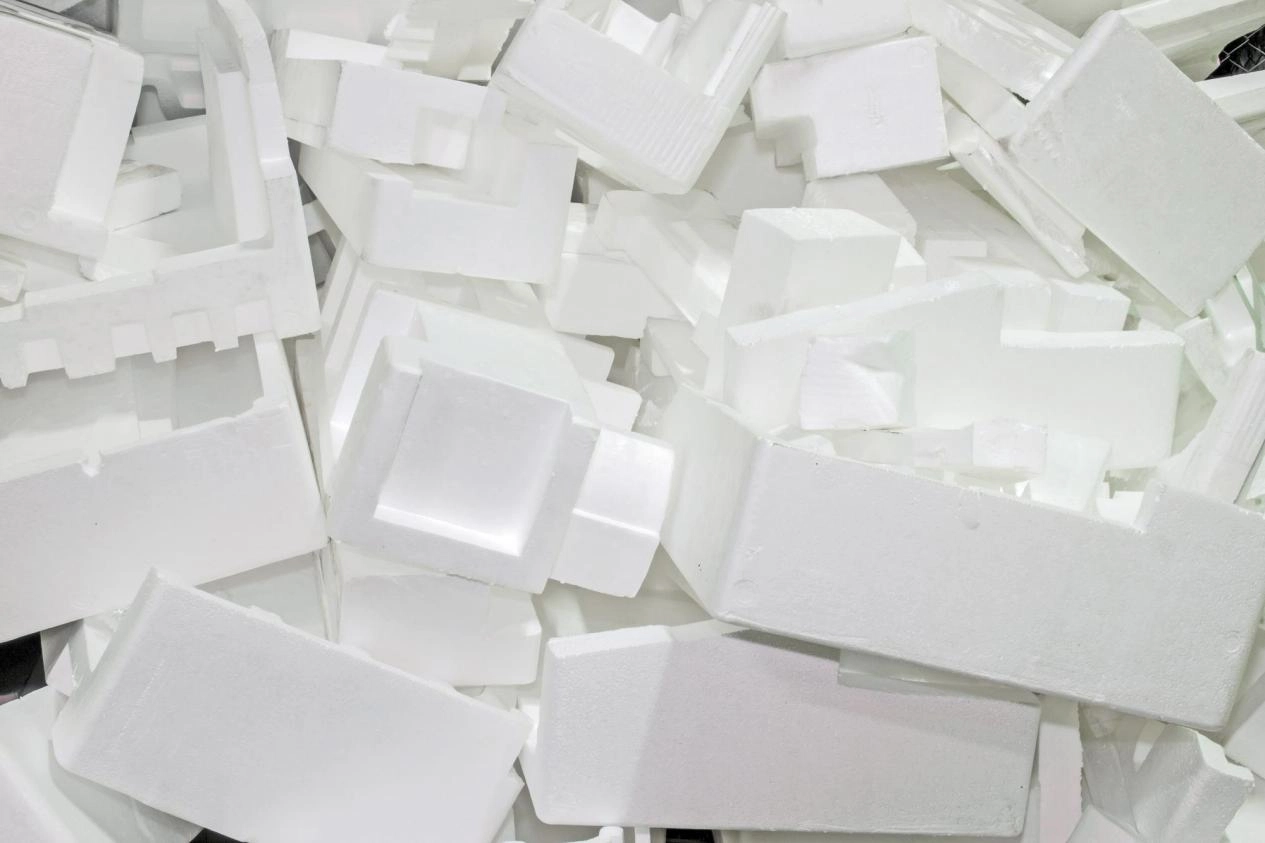
ومع تحول السوق العالمية نحو تصنيع أكثر انخفاضاً، أصبحت الطريقة القديمة لاستخدام الكتل القياسية وقطعها يدوياً مسؤولية. الشركات تبحث الآن عن طرق لتقليص الدهون حرفيا. هذا هو المكان مخصص REPS رغوة يأتي في اللعب. من خلال الابتعاد عن الحلول العامة نحو صب الهندسة الدقيقة ، تجد الشركات أنها تستطيع حماية منتجاتها بشكل أفضل بينما تنفق في الواقع أقل على الرحلة الإجمالية من المصنع إلى العميل. دعونا نكسر لماذا “ قياسي” لم يعد المعيار الذهبي.
الاستنزاف المالي لكتل الرغوة القياسية
إذا نظرت حول العديد من خطوط التجميع اليوم ، فستظل ترى العمال يقطعون كتل كبيرة من البوليستيرين الموسع يدويا لتتناسب مع المنتجات. يبدو أنه رخيص على الورق لأن الكتل الخام لها سعر دخول منخفض. ومع ذلك ، بمجرد أن تأخذ في الاعتبار وقت العمل ، والكمية الهائلة من القمامة التي يتم توليدها ، والصناديق الكبيرة للغاية المطلوبة لتناسب تلك الكتل غير المتناسبة ، “ رخيصة” يبدأ الخيار يبدو مكلفا بشكل لا يصدق.
الرياضيات “ رخيصة” عادة ما تتجاهل الكتلة 15٪ إلى 20٪ من المواد التي تنتهي بهذه الطريقة كخردة أرضية أثناء عملية القطع. في عملية كبيرة الحجم، أنت تدفع أساسا لآلاف الدولارات من المواد فقط لرميها في السلة. لإصلاح هذا، نحتاج إلى النظر في كيفية تغيير نهج أكثر مصممة خصيصا هيكل التكلفة لقسم التعبئة والتغليف الخاص بك من الأساس.
نفايات المواد ومشكلة الخردة
عندما تستخدم كتلة قياسية، فأنت مجبر على طرح المواد لإنشاء تجويف لمنتجك. كل قطعة تقطعها مضيعة على النقيض من ذلك ، يتم تصنيع التعبئة والتغليف الرغوة REPS المخصصة باستخدام “ صفر النفايات” عملية صب. يتم توسيع الكمية الدقيقة من الراتنج المطلوبة إلى قالب معين ، مما يعني أن 100٪ من المادة التي تدفعها تذهب في الواقع إلى حماية منتجك.
هذا يتجاوز الصداقة البيئية. إنه يرتبط مباشرة بحواف الربح. لنفترض أن مصنع يصنع 10000 قطعة كل شهر. خفض خسارة المواد بنسبة 15٪ يوفر الآلاف في التكاليف الأساسية بحد ذاتها. بالإضافة إلى ذلك ، يمكنك تجنب الرسوم للتخلص من هذه القمامة. وفي عدة مناطق، يشمل هذا التخلص الآن رسوم خضراء مرتفعة أو رسوم نقل.
تكاليف العمالة الخفية في التحضير اليدوي
تشكيل اليد يستغرق وقتا. يحتاج إلى أدوات مثل الأدلة أو الخطوط الساخنة أو الشفرات. ويدعو إلى مشاهدة الناس المستمرين. إذا استغرق موظف ثلاث دقائق لتقليص الرغوة لتناسب بشكل مناسب ، فإن الخط بأكمله يسحب. هذا يشكل عقبة تحد من الإنتاج اليومي.
تدور إلى مخصصة REPSثم ، تصل القطع إلى المجموعة للذهاب بمجرد فتح الحزمة. العامل ينقر على الرغوة حول البند ويضعها في الحاوية. هذا التغيير يمكن أن يقلل من وقت التعبئة بنسبة تصل إلى 60٪. تتعامل مجموعتك مع حمولات أكبر دون إضافة أيدي. إنه يغير مهمة غير منظمة ومستمرة إلى تدفق مصنع سلس.
السلامة الهندسية: لماذا الدقة تناسب تفوز السائبة
هناك مفهوم خاطئ شائع بأن “ المزيد من الرغوة يساوي المزيد من السلامة. ” في الواقع، كتلة سميكة من الرغوة التي لا’ t تناسب خطوط منتجك يمكن أن تكون خطيرة في الواقع. إذا كان هناك حتى فجوة نصف بوصة بين المنتج والحصانة ، فإن البند يمكن أن يبني الزخم أثناء الانخفاض. عندما يضرب أخيرا الرغوة ، يتحول هذا الزخم إلى “ G قوة” الصدمة التي تحطم المكونات الداخلية.
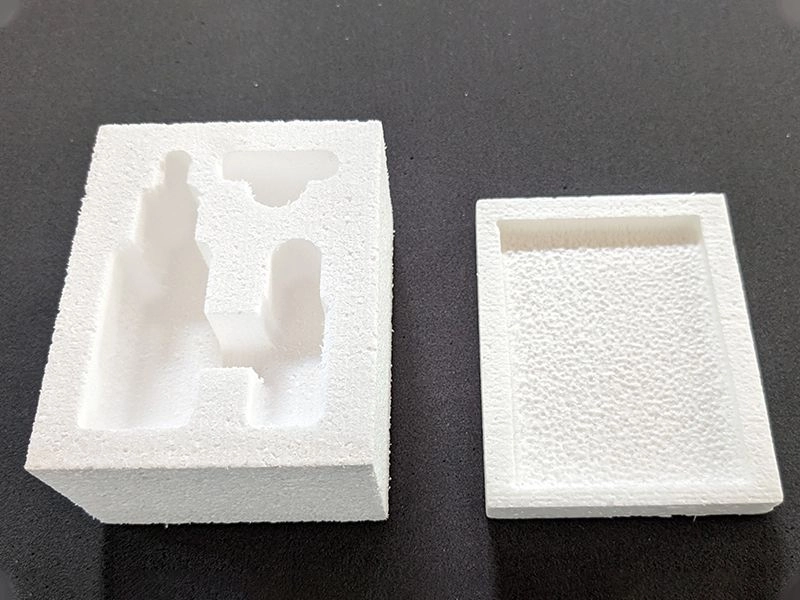
حماية الرغوة المخصصة المهنية هي حول الدقة ، وليس بالجملة. يستخدم الخصائص الفيزيائية للمادة لإبطاء المنتج على مسافة مسيطرة عليها. عن طريق قبض المنتج في أقوى نقاطه ومغادرة “ سحق المناطق” في الأماكن الصحيحة ، يمكنك تحقيق سلامة أفضل مع أقل مواد. إنها مسألة العمل بشكل أذكى ، وليس مجرد إضافة المزيد من الطبقات.
علم امتصاص الصدمات EPS
التعبئة’ الدور الرئيسي هو التعامل مع القوة. إذا سقطت حاوية من رصيف، يجب أن تذهب تلك القوة إلى مكان ما. يفعل EPS الممتص للصدمة هذا عن طريق طي خلاياه الصغيرة بوتيرة ثابتة. في شكل على شكل، يعدل الخبراء سمك الرغوة في البقع الرئيسية لتناسب البند’ حمولة S.
خذ محرك ثقيل. يتطلب رغوة سميكة في الأسفل لتجنب سحق كامل. لكن الجوانب الناعمة تتعامل مع الاهتزازات بشكل جيد. لا يمكنك الوصول إلى هذا التنظيم الدقيق مع كتلة أساسية. تشكيل الشكل يسمح لك ببناء أشكال معقدة. فكر في الدعم والشبكات والوقوف. هذه الانحناء لاتخاذ ضربات الحق في نقاط الضعف على الجيد.
القضاء على نزوح المنتج
السبب الرئيسي لضرر التسليم هو “ التحول. ” يحدث هذا عندما يتحرك عنصر داخل الصندوق في رحلة بحرية طويلة أو رحلة طريق قاسية. تعتمد الكتل الأساسية على الشرائط المطاطية أو اللاصقة للحفاظ على استقرار. لكن الاهتزازات يمكن أن تكسر هذا التمسك.
خطط مجهزة إضافة “ عقد الصفات” التي تغطي الحواف والنقاط. هذا يبني بقعة ثابتة توقف أي شرائح، ليس حتى قليلا صغيرة. مع ثابتة جيدة، فرص العلامات أو استراحات تنخفض كثيرا. بالنسبة لمرسلين من شركة إلى شركة للسلع الغالية الثمن ، فإن هذه الثقة تمثل الفجوة بين المشترين السعداء وفواتير المطالبات الكبيرة.
زيادة الكفاءة: الفضاء هو المال
في عالم الخدمات اللوجستية ، لا’ تدفع فقط مقابل الوزن. تدفع “ وزن خفيف” أو حجم الأبعاد. إذا كانت عبوتك ضخمة بشكل غير ضروري لأنك تستخدم كتل رغوة سميكة قياسية ، فأنت تدفع أساسا لشركة الشحن لنقل الهواء. هذا هو المكان الذي تفقد فيه معظم الشركات ميزتها التنافسية في السوق الدولية.
إذا كان بإمكانك تقليل الأبعاد الخارجية لصندوق الشحن الخاص بك بنسبة 10٪ فقط من خلال تصميم رغوة أذكى ، فإن تأثير التموج عبر ميزانيتك بأكملها هائل. يمكنك تناسب المزيد من الوحدات على منصة، والمزيد من المنصات في حاوية، والمزيد من الحاويات على متن سفينة. تصبح كل خطوة من خطوات الرحلة أرخص لأن عبوة الرغوة الموفرة للمساحة تفعل المزيد بأقل.
تقليل رسوم الوزن الأبعاد
معظم شركات النقل مثل DHL أو FedEx أو Maersk تستخدم صيغة لتسديد رسوم عليك بناءً على مساحة صندوقك. إذا كان صندوقك كبيرًا ولكن خفيفًا ، فإنهم يفرضون عليك كما لو كان ثقيلًا. العديد من الشركات التي تستخدم كتل الرغوة القياسية تجد أنفسها محاصرة في قوسين شحن عالية المستوى لأن صناديقها “ سمينة جداً. ”
يمكن لشركة تصنيع رغوة REPS تصميم إدراج مخصص يوفر نفس مستوى الحماية مثل كتلة 4 بوصة ولكن يستخدم فقط 2 بوصة من صب وضع استراتيجي. يمكن لخفض حجم الصندوق حتى بوصة واحدة على جميع الجوانب نقل المنتج إلى فئة شحن أدنى. بالنسبة لشركة شحن 50،000 وحدة في السنة ، فإن توفير 1 دولار لكل مربع على الشحن يضيف 50،000 دولار مباشرة إلى الخط السفلي.
تحسين المنصات والمستودعات
تصميم التعبئة والتغليف الأفضل يعني تصنيف أفضل. إذا تم تحسين صناديقك ، فقد تنتقل من تركيب 20 وحدة على منصة إلى تركيب 28. هذه زيادة بنسبة 40% في كثافة المخازن. فجأة تحتاج إلى مساحة أرضية أقل بنسبة 40٪ لتخزين نفس كمية المخزون.
في مراكز صناعية باهظة الثمن مثل سنغافورة أو شنغهاي ، فإن المقاطع المربعة للمستودعات هي في قسط متميز. باستخدام تغليف الرغوة الموفرة للمساحة ، يمكنك توسيع قدرة المستودع بشكل فعال دون استئجار قدم مربع إضافي واحد. هذا يعني أيضًا أن سائقي الرافعات الشوكية يقومون برحلات أقل ، مما يوفر الوقود والوقت. مكاسب الكفاءة تبدأ في آلة صب وتنتهي في عملائك ’ مخزن S.
التعبئة والتغليف المستدامة REPS: ميزة العلامة التجارية الحديثة
يجب أن تغطي المحادثات اللوجستية اليوم القضايا الخضراء. المشترين التجاريين العالميين ، وخاصة في أوروبا وأمريكا الشمالية ، يواجهون صعوبة “ واجب المنتج” القواعد. إنهم يطاردون الموردين لتحقيق أهداف إعادة التدوير. إذا كان ملفوفك يبدو “ إضافية ” يمكن أن يمنع الفوز الصفقة.
اختيار عبوات REPS المستدامة يثبت أن شركتك تفكر في المستقبل. يمكن إعادة تدوير REPS أو البوليستيرين الموسع القابل لإعادة التدوير بالكامل. تشكيل شكل يستخدم أقل من البلاستيك من قطع كتلة. انها تقف كأفضل طريقة للتعامل مع الرغوة. هذا يشير إلى الشركاء أنك تقدر المواد’ الطريق الكامل، ما وراء الصفقة.
تقليل بصمة الكربون من خلال تقليل الحجم
أكبر تأثير بيئي للتعبئة والتغليف هو ’ t فقط المادة نفسها ؛ it’ s الوقود المستخدم لشحنه. كما ناقشنا، تصاميم مخصصة تؤدي إلى صناديق أصغر. الصناديق الأصغر تؤدي إلى عدد أقل من رحلات الشاحنات وعدد أقل من حاويات الشحن.
عندما تقوم بتحسين الخدمات اللوجستية الخاصة بك، فإنك تقلل بصمة الكربون لكل وحدة تباع مباشرة. القدرة على إخبار العميل ، “ لدينا التعبئة والتغليف المخصصة الجديدة خفضت انبعاثاتنا المتعلقة بالشحن بنسبة 15٪، ” هو نقطة بيع قوية تميزك عن المنافسين الذين لا يزالون عالقين في “ كتلة قياسية” العصر.
العثور على الشريك المناسب للتخصيص
الانتقال من الكتل إلى تشكيل الشكل يحتاج إلى فريق يعرف المزيج وجانب البناء. ابحث عن مصنع رغوة REPS الذي يعطي مدخلات ، وليس فقط ملء الطلبات.
عند هواشنغ، نحن نتحقق من جيدك’ s الحمل، كسر المخاطر، والمسار. من هناك، نبني مخصصة REPS إصلاح الذي يزن التكلفة ضد الحراس. تقنية تشكيل أعلى لدينا تحافظ على كل قطعة حتى، ل 1000 أو 100،000 طلبات. اختيار خبير يعني السمك الصحيح والمطابقة دائما. إنها تنهي التجربة في خطة التغليف الخاصة بك.
استنتاج
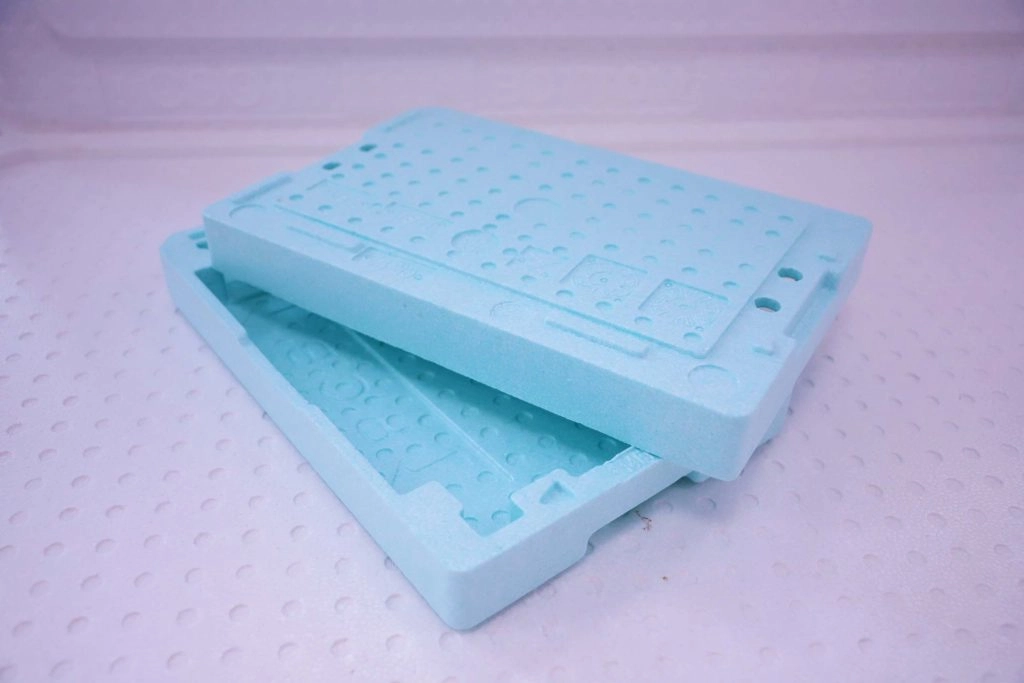
التغيير من كتل الرغوة الأساسية إلى الرغوة REPS المخصصة تصنف كخيار الشركة العليا. تقوم بتعزيز المعايير بينما تخفض الإنفاق. قطع خسارة المواد، وتخطي عمل التقطيع اليدوي، وتقلص أحجام صندوق السفينة. كل هذا يبني إعدادا أكثر صرامة، كسب المال. حماية الرغوة المخصصة المناسبة بدقة تبقي البضائع آمنة عند الوصول. يحافظ على اسمك ويقلل من آلام العودة.
في المشهد التنافسي اليوم، كل سنت يتم توفيره في الخدمات اللوجستية هو سنت يمكن إعادة استثماره في الابتكار. إذا كنت تعبت من الدفع مقابل المساحة المهدرة والمنتجات المكسورة، فقد حان الوقت لإعادة التفكير في التعبئة والتغليف. الاتصال هواشنغ اليوم في info@r-eps.com لمعرفة كيف يمكن لقدرات الصب المخصصة لدينا تحويل سلسلة التوريد الخاصة بك ومساعدتك على توفير شحنتك القادمة.
 Arabic
  English
  German
  Spanish
  French