
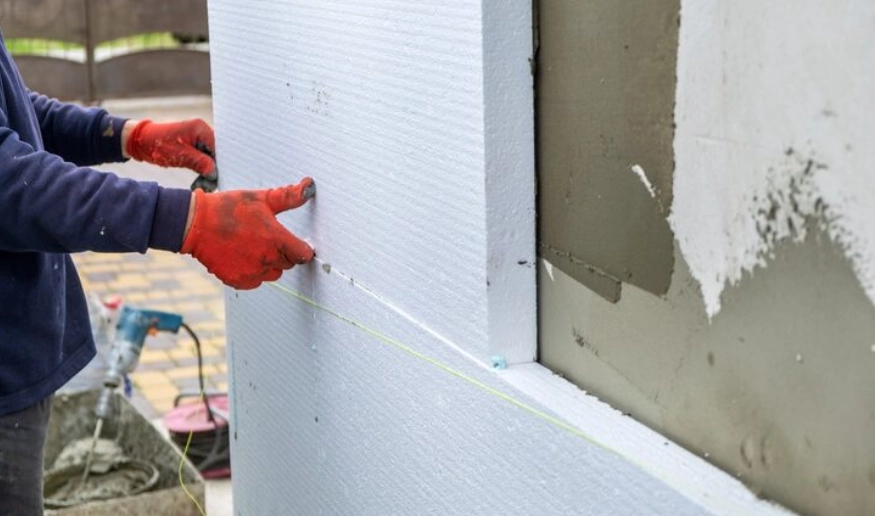
يعمل العزل EPS وظيفة مهمة في أنظمة الجدران الخارجية لأنه يوفر مقاومة حرارية ثابتة ويقيد امتصاص الرطوبة بفضل هيكله المغلق. تعتمد الحاجة إلى حاجز بخار وراء EPS على عدة عوامل ، بما في ذلك المنطقة المناخية ، وتفاصيل بناء الجدران ، وظروف الرطوبة الداخلية ، وسمك EPS. في المناطق الدافئة أو المختلطة ، غالبا ما يتعامل EPS بحد ذاته مع التحكم في البخار بفعالية. ومع ذلك ، قد تتطلب المناطق الباردة حواجز بخار إضافية. لا تزال الإدارة الصحيحة للرطوبة ضرورية، لأن الخيارات الخاطئة يمكن أن تحتجز المياه وتقلل فعالية العزل. كما تعزز لوحات EPS الحديثة المضادة للشعلة والجرافيت كفاءة الحرارة والحماية من الحريق والقوة الدائمة.
هل تحتاج إلى حاجز بخار وراء العزل EPS في الجدران الخارجية؟
ما هو الدور الذي يلعبه عزل EPS في أنظمة الجدران الخارجية؟
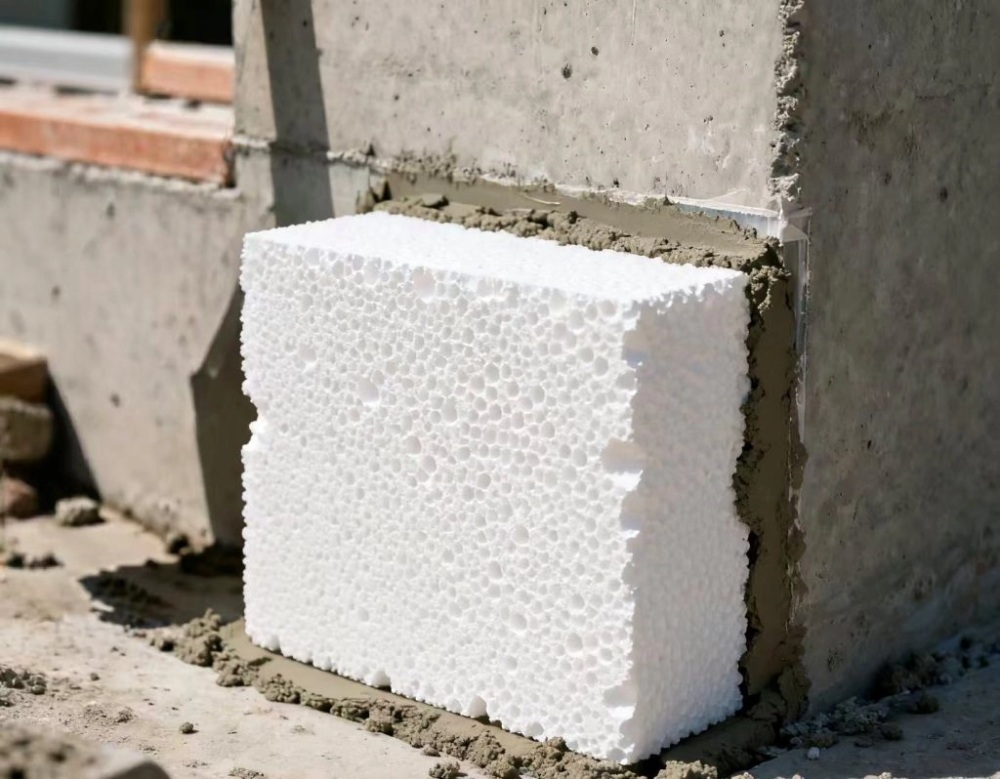
يساهم لوحة العزل الموسعة من البوليستيرين (EPS) بشكل كبير في كفاءة الطاقة في مظروف المباني. يوفر لوحة العزل EPS مقاومة حرارية ويساعد على تقليل فقدان الطاقة عبر غلاف المبنى ، وتأتي فعاليته من هيكل الخلية المغلقة ، والتي تمنع امتصاص المياه وتوفر موصلة حرارية موثوقة.
هذا الترتيب الخلوي من EPS لا يقاوم اختراق الرطوبة فحسب ، بل يحافظ أيضًا على القوة الهيكلية على مر السنين ، حتى عندما تتغير الظروف البيئية بشكل متكرر. تصميم الخلية المغلقة يقلل من امتصاص المياه مما يجعلها مناسبة للاستخدامات الخارجية. وزنه الخفيف يضيف إلى سهولة التعامل أثناء الإعداد في حالات البناء المختلفة. طبيعته الخفيفة الوزن تبسط التثبيت دون المساس بالحمولة الهيكلية.
وتشمل منتجات هواشنغ لوحات EPS قوية تم إنشاؤها لهذه الأغراض. في عزل البناء، تبرز عناصر رغوة EPS في HUASHENG بوضوح. تعتمد هذه المواد أساليب الرغوة الحديثة لضمان حماية حرارية ممتازة ، مما يساهم في الحفاظ على درجات الحرارة الداخلية ثابتة ويقلل من متطلبات التدفئة أو التبريد.
كيف تتحرك الرطوبة عبر مجموعات الجدران المعزولة؟
يتضمن نقل الرطوبة في مظروف البناء عدة عمليات. ويحدث ذلك من خلال انتشار البخار وحركة الهواء والامتصاص الشعري. يمر الرطوبة عبر الانتشار وتسربات الهواء والقوى الشعرية في المواد المسامية. عندما يتم التعامل معها بشكل سيء ، تسبب هذه الرطوبة ضررًا دائمًا لأجزاء الجدران.
أحد التحديات الرئيسية في تصميم الجدران يتركز على تقليل مخاطر التكثيف داخل العزل. تحتاج أنظمة الجدران إلى التحكم في هذا النقل لمنع تراكم المياه داخل الهيكل. إذا تراكم الرطوبة وتضرب نقطة الندى داخل الجدار ، فقد يؤدي ذلك إلى نمو الفطريات وتدهور المواد. يمكن لسوء التعامل مع البخار أن يسبب العفن وانهيار المكونات وانخفاض الأداء الحراري.
وبالتالي، فإن فهم الروابط بين معدلات تدفق البخار واختلافات درجات الحرارة وخصائص الطبقة يثبت أنه أمر حيوي للتخطيط القوي لمغلف المبنى.
متى هو حاجز البخار ضروري مع عزل EPS؟
ما الذي يحدد الحاجة إلى حاجز بخار وراء لوحات EPS؟
متطلبات إضافة حاجز بخار وراء لوحات EPS تعتمد على ظروف محددة. تؤثر المنطقة المناخية بقوة على قواعد حاجز البخار - عادة ما تحتاج المواقع الأكثر برودة إلى ضوابط أكثر صرامة. في المناخات الباردة ، حيث غالبا ما تتحرك الرطوبة الداخلية إلى الخارج في الشتاء ، يصبح حاجز البخار على الجانب الدافئ مهمًا.
علاوة على ذلك ، يؤثر تركيب أنظمة الجدران ، بما في ذلك الألواح الخارجية وأنواع الجانب والغطاء الداخلي ، على كيفية انتشار ضغط البخار عبر الهيكل. تفاصيل إعداد الجدار ، مثل الطلاءات الداخلية والمواد الخارجية ، تشكل سلوك البخار.
على الرغم من أن الـ EPS يعتبر شبه قابل للنفاذ ، إلا أن مقاومته للبخار تتغير مع السمك والكثافة. معدل تدفق الـ EPS يتغير حسب الكثافة والسمك ، ومع ذلك يبقى شبه قابل للنفاذ بشكل عام. لهذا السبب، اعتمادًا فقط على EPS لإدارة البخار قد يقل في بعض الحالات.
هل يمكن لـ EPS وحده توفير مقاومة بخار كافية؟
في العديد من المناطق المناخية المعتدلة أو الدافئة ، يمكن لعزل EPS بحد ذاته مقاومة انتشار البخار بفعالية. في عدة حالات، وخاصة في المناخات الدافئة أو المختلطة، قد تتحكم EPS في حركة البخار بشكل كاف بمفردها. ومع ذلك، يجب إيلاء اهتمام خاص للمباني ذات مستويات الرطوبة الداخلية المرتفعة مثل المنتجعات الصحية أو حمامات السباحة الداخلية.
بالإضافة إلى ذلك ، عندما تظهر الأسطح الداخلية مثل غطاءات الفينيل أو طلاءات منخفضة التغطية ، يمكن أن تعمل ككتل بخار عرضية وتزعج توازن إمكانات التجفيف. ومع ذلك ، فإن الرطوبة الداخلية العالية أو التدفق المنخفض داخل الطبقات لا تزال تتطلب حاجز بخار منفصل.
ونتيجة لذلك، فإن تقييم كل من ميزات EPS والظروف الداخلية للمبنى مهم للغاية. مراجعة خصائص العزل والإعدادات الداخلية ضرورية قبل اتخاذ القرارات النهائية.
كيف تصمم نظام جدار فعال باستخدام EPS؟
ما هي مخاطر وضع حاجز البخار بشكل غير صحيح مع EPS؟
يمكن أن يسبب وضع الحواجز البخارية في الأنظمة المعزولة بـ EPS تراكم رطوبة خطير. قد يحتجز وضع حاجز بخار على الجانب الخاطئ الماء داخل مساحة الجدار ، والتي يمكن أن تحرك موقع التكثيف إلى أقسام الجدار الحيوية.
عندما يدخل الهواء الدافئ والرطب العزل ويتبريد تحت نقطة الندى ضد طبقة غير قابلة للنفاذ ، سيحدث التكثيف ، مما يؤدي إلى جمع المياه داخل العزل أو على الأسطح الباردة أثناء التغيرات الموسمية. وتشمل النتائج انخفاض قيمة العزل والصدأ على الأجزاء المعدنية وتطوير الفطريات.
يتطلب التصميم الموثوق به فهم شامل للتفاعلات بين الرطوبة والحرارة. تعتبر الطريقة المتوازنة القدرة على التجفيف في اتجاه واحد على الأقل مع إدارة محركات البخار الداخلية أو الخارجية بشكل صحيح.
كيف يمكنك تحسين الأداء مع لوحات EPS المضادة للشعلة؟
يتطلب تحسين النتائج اختيار مواد متقدمة تتعامل مع كل من توفير الحرارة والحماية من الحرائق. يجلب EPS المعزز بالجرافيت المضاد للشعلة ، مثل سلسلة المواد S من HUASHENG ، العديد من الفوائد. تعكس هذه الألواح الحرارة المشعة بشكل أفضل بسبب إضافات الجرافيت المدمجة في هيكلها. التوصيل الحراري النموذجي لهذه الألواح يصل إلى 0.033 واط / (م · ك) ، مما يتفوق بوضوح على EPS الأبيض التقليدي.
بالإضافة إلى ذلك، هذه الجرافيت الصف - S - لوحات مضادة للشعلة تلبية المعايير الصارمة للسلامة من الحرائق. تصنيف مضاد اللهب يصل إلى الفئة B1 (GB8624-2012) ، وتظهر الألواح النهائية والمنتجات المصبوبة مقاومة الحريق ذاتية الإطفاء ، والتي يوفر هيكل الخلية أيضًا استقرارًا قويًا في الحجم على الرغم من تغيرات درجة الحرارة. بالإضافة إلى ذلك ، فإنها تحافظ على استقرار الشكل تحت حرارة متباينة. هذه الخيارات الموادية تتوافق مع معايير المنزل السلبي وشهادات المباني عالية الأداء مثل LEED.
لماذا يجب عليك اختيار HUASHENG لاحتياجات العزل الخاصة بك؟
ما الذي يجعل خط منتجات هواشنغ مناسبة للتطبيقات المهنية؟
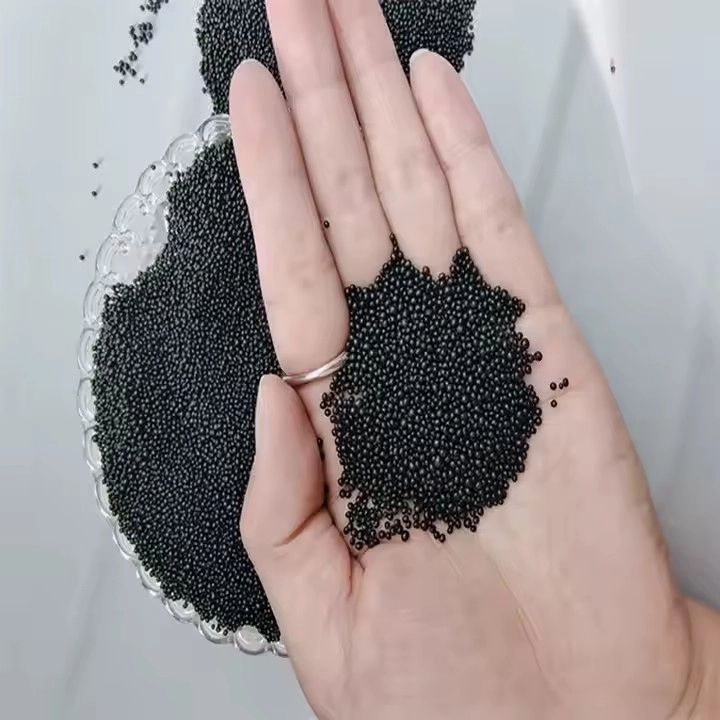
Lanzhou HUASHENG New Materials Co., Ltd. تعمل كشركة عالية التكنولوجيا تركز على البحث والإنتاج والمبيعات من رغوة البولي ستيرين القابلة للتوسع (EPS). تشمل مجموعة واسعة لدينا لوحات EPS القياسية ، وأنواع مقاومة للشعلة (مواد F) ، والإصدارات المعدلة بالجرافيت (مواد S) المصنوعة للحماية الحرارية للمباني.
مع سنوات عديدة في الأنظمة الحرارية، ونحن نوفر مختلف منتجات عالية الجودة desigend لهياكل توفير الطاقة. تطبق HUASHENG عمليات رغوة متقدمة مدعومة بأدوات اختبار دقيقة لضمان كثافة وقوة الضغط حتى.
تسلط لوحات الجرافيت Grade S الضوء على هذه الطريقة التي تركز على التقدم. تستخدم رغوة الجرافيت البوليستيرين المواد الخام المستوردة والتقنيات الجديدة. الخبراء الذين يحتاجون إلى الامتثال للرمز مع الحفاظ على عمل الموقع بسيط يجدون عناصر HUASHENG دائمة وسهلة الوضع. استكشاف المجموعة الكاملة في هواشنغالموقع الرسمي ، حيث ’ سوف تجد مواصفات مفصلة وإرشادات التطبيق مصممة خصيصا لاحتياجات مشروعك.
أي نوع من لوحة EPS هو مثالي عندما تكون السلامة من الحريق مصدر قلق؟
كيف تعزز الدرجات المضادة للشعلة سلامة الجدران دون المساس بالأداء؟
هواشنغ لوحات مقاومة للشعلة من الدرجة F مناسبة للبيئة حيث تثبت قوة الدفاع عن الحرائق الحرجة. الألواح مثل درجة إبطال اللهب - F للعزل الحراري لمواد البناء تقاوم بدء الحرائق بينما تحتفظ بقوة حرارية. تتوافق هذه المنتجات مع معايير الحريق العالمية مثل موافقة UL E360952 ومستويات GB8624-2012 B1 / B2 ، وتلبي قواعد الحريق العالمية الشائعة في معظم قوانين البناء التجارية.
بفضل هيكل الخلايا المصمم ومثبطات اللهب المركبة ، فإنها تحتفظ بشكلها مع توفير نتائج سلامة أفضل ، وتعمل بشكل جيد في المباني الطويلة أو المناطق التي تحتاج إلى مكونات منخفضة الاحتراق.
الأسئلة الشائعة
س: هل يمكنني تثبيت عزل EPS مباشرة ضد الغطاء الخارجي دون حاجز بخار؟
أجل عندما تسمح القواعد المحلية ، ويدعم المناخ ذلك. في العديد من الحالات ، وخاصة مع الألواح الخارجية شبه القابلة للنفاذ أو أنظمة الجانب الهوائي ، لا يثبت الحاجز الإضافي للبخار ضرورة.
س: كيف أعرف ما إذا كانت منطقتي المناخية تتطلب حاجز بخار وراء EPS؟
تحقق من قوانين البناء الإقليمية أو خرائط المناخ لـ ASHRAE؛ وتتطلب المناطق الباردة عادة تدابير أقوى للتحكم في البخار من المناطق الدافئة.
س: هل جميع لوحات EPS المضادة للشعلة فعالة بنفس القدر عبر تطبيقات مختلفة؟
لا. تستهدف درجات مختلفة احتياجات مختلفة - بعض المكاسب الحرارية الإجهادية (مثل الجرافيت الصف S) ، في حين تلبي غيرها قواعد مقاومة الحريق الخاصة (مثل مثبطة اللهب الصف F). اختر حسب مواصفات المشروع.
 Arabic
  English
  German
  Spanish
  French