
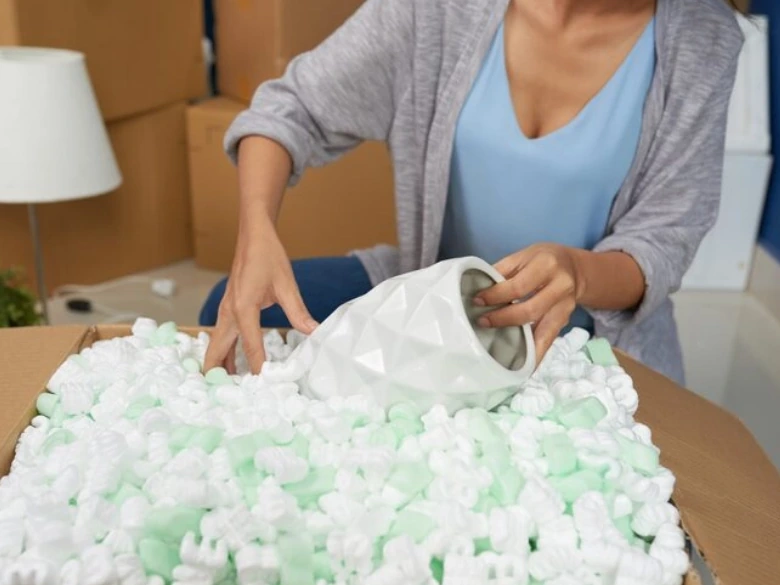
For many European packaging buyers, eps schaum is not just a German material term. It is often the start of a sourcing problem: a product needs molded protection, the supplier needs a drawing, and the first mold trial must prove that the insert can be loaded, shipped, opened, and reused without last-minute changes. When the brief is thin, packaging foam inserts that looked simple in a quotation can still trigger tooling delays.
The short answer is yes, eps schaum can help reduce mold trial rework, but only when the buyer defines the product geometry, fragile zones, drop risk, carton limits, labeling clearance, and packing workflow before tooling starts. A project should move from a loose foam insert request to a practical protective foam packaging brief. That is where HUASHENG can help buyers connect material choice, insert design, sampling, and approval steps.
Why Does Mold Trial Rework Happen in EPS Schaum Projects?
Mold trial rework rarely comes from one dramatic mistake. It usually grows from small missing details in the first RFQ: an updated product handle, a heavier accessory pack, a tighter export carton, or a surface that cannot tolerate rubbing. Once the mold is opened, each correction costs time and pushes the delivery schedule.
Incomplete Product Dimensions Create the First Gap
Buyers often send a basic length, width, and height, but custom foam packaging needs more than an outer size. The supplier needs protrusions, handle positions, cable exits, feet, vents, display screens, sharp corners, and any part that cannot take pressure. A foam cavity built from a simplified box dimension may hold the product, yet still rub a painted surface or block a packing hand from reaching the part.
Unclear Drop Protection Priorities Change the Insert Later
A packaging buyer may say the product is fragile, but the mold designer needs to know where failure is most likely. A glass panel, motor shaft, ceramic edge, electronic connector, or corner casting does not need the same support pattern. If the fragile zones are not marked before trial, the first sample may look neat while still leaving the real impact path under-protected.
Tolerance Gaps Around Foam Inserts Slow Approval
Packaging foam inserts need enough tolerance for loading, but not so much clearance that the product moves inside the carton. This balance becomes harder when one foam insert carries several SKUs or accessories. In actual procurement work, a small mismatch between drawing tolerance and production reality can become a second trial, especially when buyers approve the foam shape without testing the full packing sequence.
What Should European Packaging Buyers Confirm Before Tooling?
Before tooling, the buyer should treat eps schaum as a specification discussion, not a commodity quote. The supplier needs enough information to judge density, wall thickness, cavity layout, recycled-content expectations, and final packing method. That information also helps purchasing teams compare quotations on the same basis instead of comparing different assumptions.
Product Weight and Fragile Zones Should Be Marked Early
Weight affects foam density and wall thickness. Fragile zones affect where the insert needs more support or controlled clearance. Buyers should mark these points on drawings or photos before the first quotation. For heavy products, note the load condition: single drop, stacked carton, pallet compression, repeated warehouse handling, or long-distance container shipping.
Outer Carton and Pallet Constraints Limit the Foam Design
A strong insert is not useful if it breaks the carton size target or reduces pallet efficiency. European buyers often have fixed carton footprints, shelf dimensions, or container loading plans. The foam insert should be reviewed together with carton wall thickness, accessory placement, document pocket, label zone, and pallet pattern, not after the first mold trial.
Compliance and Recycled Content Need a Clear Target
Sustainability targets are now part of many European packaging reviews, but a vague request for greener foam is not enough. Buyers should confirm whether the project needs recycled-content discussion, REPS options, supplier declarations, local take-back limits, or a lower-waste molding plan. These points influence both material choice and the approval file.
| RFQ Item | What to Confirm | Why It Reduces Rework |
| Product file | 3D drawing, 2D drawing, photos, accessory list, fragile zones | Reduces cavity changes caused by missing handles, feet, screens, or cables |
| Load condition | Product weight, stacking, drop risk, pallet compression, transport route | Helps select density and wall thickness before the first sample |
| Packing workflow | Loading direction, finger access, label clearance, document space | Prevents a good-looking insert from slowing factory packing |
| Sustainability target | REPS option, recycled-content goal, waste limits, local requirements | Keeps material selection aligned with buyer and market expectations |
How Do Packaging Foam Inserts Reduce Trial Changes?
Well-planned packaging foam inserts reduce trial changes because they make the product, carton, and operator workflow fit together before tooling is finalized. The goal is not to make the thickest insert. The goal is to protect the product with the least rework, least wasted space, and most repeatable packing process.
Easy Product Loading Is Part of Protection
If workers must force a product into the cavity, the insert is already causing risk. Product loading should be smooth enough for daily packing, but firm enough to prevent movement. Finger access, pull direction, and the order of accessories matter. For buyers sourcing foam shipping inserts, this workflow detail is often the difference between a sample that passes once and packaging that works every day.
Wall Thickness Around Impact Areas Must Be Intentional
Wall thickness should follow impact risk instead of staying equal everywhere. Corners, protruding parts, and load-bearing areas may need more foam, while low-risk areas can be trimmed to save volume. This is where protective foam packaging becomes a design task rather than a material purchase. Good insert planning can reduce both damage claims and trial-stage trimming.
Prototype Review Should Happen Before Mold Approval
A sample review should include the product, accessories, carton, and the person who actually packs the item. Buyers should check loading speed, product shake, label visibility, carton closing, and unpacking experience. Field feedback at this stage is cheaper than mold correction after approval, and it gives the supplier clearer evidence for final mold changes.
How Can HUASHENG Match EPS Schaum Requirements With Foam Solutions?
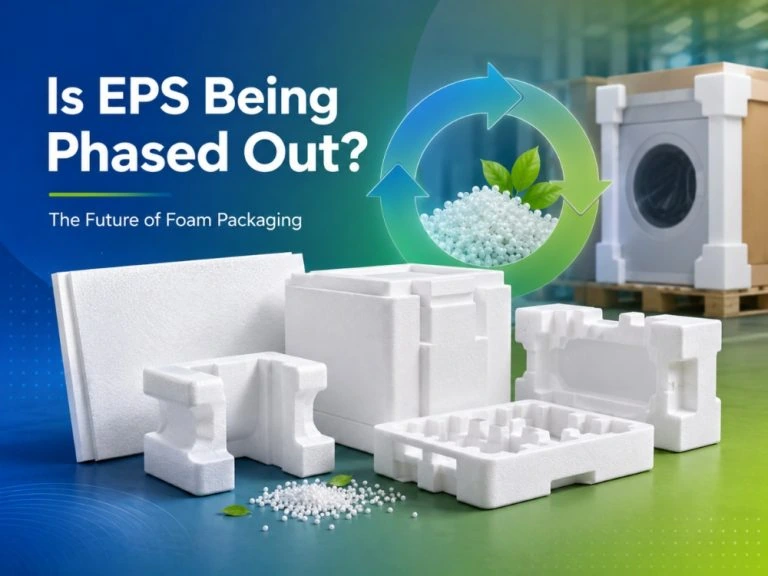
A good supplier should not answer an eps schaum inquiry with only a material name. The better path is to review the product file, clarify the packing risk, and then match the project with the right foam solution. For packaging buyers, that can mean standard EPS, custom molded EPS, or REPS when recycled-content and sustainability goals are part of the brief.
Customized Foam Materials Support Product Geometry
HUASHENG’s Customized Foam Materials page is relevant when buyers need foam parts built around real product specifications. This route helps when standard sheets or blocks cannot solve the cavity shape, surface protection, or accessory layout. The buyer should prepare drawings, sample photos, weight data, carton limits, and any test requirement before asking for a final quote.
Customized REPS Supports Tailored or Recycled Foam Needs
When recycled-content expectations or lower-waste positioning matter, Customized REPS gives buyers another route to discuss tailored material needs. REPS is not a shortcut around engineering review; it still needs the same confirmation of density, tolerance, product weight, and packing environment. It simply lets the packaging brief include both performance and sustainability targets from the start.
Engineering Review Should Use Drawings and Samples Together
A supplier can read a drawing, but a physical product sample often reveals details that a file misses: a fragile coating, a loose accessory, a cable bend, or a sharp edge. For custom foam packaging, buyers should use both. The drawing controls geometry; the sample confirms handling, surface contact, and the practical mold trial review.
What Should the Final RFQ Include?
The final RFQ should be specific enough that two suppliers are quoting the same job. It should include material intent, product file, carton size, quantity, tooling expectation, sample approval rule, and the logistics risk. Buyers can start from HUASHENG EPS products and then narrow the request toward custom foam packaging or REPS according to the product and market requirement.
A Clear RFQ Turns Foam Into a Controlled Project
A useful RFQ for protective foam packaging should include product dimensions, weight, fragile zones, outer carton dimensions, pallet limits, target density or performance requirement, loading direction, accessory map, expected sample count, and approval deadline. It should also state whether the buyer wants recyclable or recycled-content options reviewed.
Approval Rules Should Be Written Before the First Trial
Trial approval should not depend only on visual appearance. Buyers should define what counts as a pass: product fit, shake resistance, carton closure, surface protection, loading time, accessory position, and transport test requirement. When those rules are written early, foam shipping inserts become easier to approve and easier to repeat in production.
Conclusion
EPS Schaum can help European packaging buyers reduce mold trial rework, but the material name alone will not do the job. Rework falls when buyers define product geometry, impact risk, insert tolerance, carton limits, sustainability targets, and sample approval rules before tooling. That turns packaging foam inserts from a rough quote into a controlled engineering file. HUASHENG can review product drawings, samples, and RFQ details to match protective foam packaging, foam shipping inserts, or REPS options with the real product. If your current foam brief is still missing load, tolerance, or packing workflow details, Contact Us before approving the first mold trial.
FAQs
Q1: What does eps schaum mean for packaging buyers?
A1: It usually refers to EPS foam used for molded protective packaging or custom inserts.
Q2: Can packaging foam inserts reduce shipping damage?
A2: Yes, when density, cavity tolerance, wall thickness, and carton fit are correctly specified.
Q3: When should buyers consider custom foam packaging?
A3: Use it when standard foam cannot match product geometry, fragile zones, or packing workflow.
 English
  German
  Spanish
  French
  Arabic