
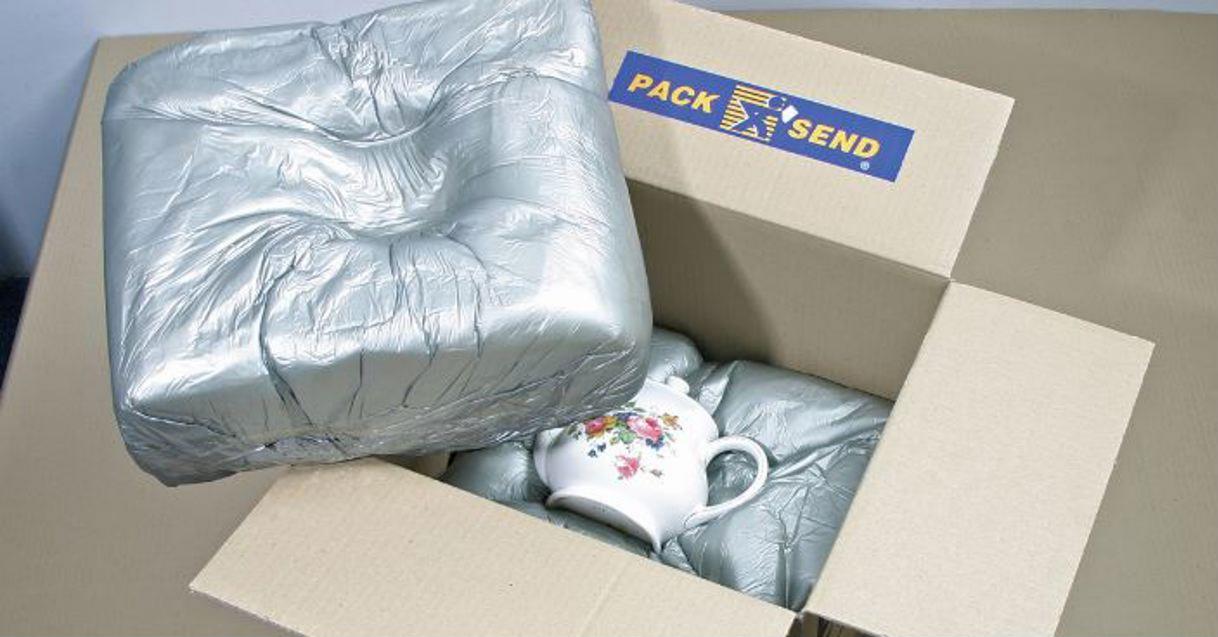
Foam packaging serves as a favored option for delicate items since it blends strong cushioning, easy handling due to low weight, and solid protection in storage and shipping. As supply chains speed up and spread worldwide, companies require materials that cut down damage yet maintain high shipping speed. To grasp why foam packaging draws more focus in 2026, one must examine the worldwide changes fueling its rise.
What Are the Global Shifts Driving the Growth of Foam Packaging in 2026?
The packaging world faces big changes as sectors adjust to green practices, online sales growth, and tougher eco-rules. Rising needs for eco-friendly and shielding materials in shipping reshape how makers create packaging setups. The online shopping boom and international trade speed up demands for dependable packaging that keeps items safe over far journeys. Officials also apply rules that stress reusable and recyclable packaging, urging firms toward green advances like recyclable foam polystyrene.
Why Does Foam Packaging Remain a Core Solution for Modern Logistics?
Foam packaging keeps its key role thanks to its special mix of low weight, toughness, and low cost. Polyethylene (PE) and expanded polystyrene (EPS) foams see wide use for their skill in soaking up jolts while holding total shipping weight down. These substances shape into tricky forms, matching products of different sizes with accuracy. When set against hard plastics or paper options, foam gives better safety per dollar spent, so it stays vital for fields like electronics, medical tools, and everyday products.
How Do Different Types of Foam Packing Materials Compare in Performance?
What Makes Polyethylene (PE) Foam Effective?
PE foam’s closed-cell design delivers great padding and jolt soaking traits. It fights off water, chemicals, and heat changes, so it fits well for touchy uses like electronic parts or glass items. Its bendiness lets it adjust to odd shapes without dropping firmness under many hits.
What Defines Expanded Polystyrene (EPS) Packaging?
EPS packaging shines for being lightweight but firm enough to hold heavy items. It appears often in food wrapping, home appliances, and health gear because of its heat-blocking and shake-reducing skills. E-standard material acts as a common EPS type, good for auto-vacuum-forming tools and hydraulic machines; it offers steady size, good strength, an even surface, and wide use. This mix of firmness and heat blocking makes EPS one of the most flexible choices in safety packaging.
How Do PE Foam and EPS Differ in Application?
PE foam brings bendiness right for soft items that need surface shielding, while EPS brings firmness needed for frame support in shipping. P-extra light material counts as a high foam rate base that reaches lighter density bead bits fit for various foaming tasks like electrical ceramic wrapping or big panels. Both types can be shaped with set densities or extras—like fire blockers or static fighters—to match exact safety needs.
How Does Foam Polystyrene Protect Fragile Goods During Transit?
How Does It Absorb Shock and Control Vibration?
Foam cells squeeze under pressure to take in motion energy from falls or shakes in delivery. This squeeze cuts inside motion in boxes, stopping tiny harm that builds up over long trips. B-Rapid prototyping grade works for electrical appliance wrapping and exact tools; its bead size stays even with fine flow and strong hit resistance. These traits make foam perfect for delicate items that call for steady padding work.
What Are the Thermal Insulation Benefits?
Heat blocking matters a lot in guarding heat-sensitive goods like drugs or electronics. EPS foams keep steady inside heat by cutting heat flow via their cell setup. S-33 graphite polystyrene adds natural flake graphite to the polymer base via extrusion; its heat flow rate of ≤0.033 W/M·K boosts blocking skill by over 20% against regular EPS. This keeps spoilable items safe even with shifting outside settings.
How Flexible Is Foam Packaging Design?
Design bendiness marks current foam building methods. Makers adjust foam density by item breakability or weight needs. Builders often use stacked layers that give protection in many directions while keeping a slim size. For instance, custom pieces make a tight fit around unevenly shaped goods like health tools or exact instruments.
Plus, foam blends into mixed setups that pair cardboard outsides with inner EPS centers to boost stack strength without much added weight. Firms like Lanzhou Huasheng New Materials Co., Ltd., push this method via tailored EPS mixes made with digital model tech for best results in various fields.
What Sustainability Innovations Will Shape Foam Packaging Technologies by 2026?

Which Recyclable or Bio-Based Foams Are Emerging?
Green focus now drives advances in packing materials and foam creation. HUASHENG has spent hundreds of millions of yuan to set up the world’s first smart line using 100% reused base materials through its “three-circulation” setup that hits over a 95% waste reuse rate. Studies on break-down options to old EPS speed up, along with closed-loop reuse systems that lower waste in making spots.
How Can Environmental Goals Align with Performance Needs?
Matching reuse with lasting strength stays tough—but block designs now boost reuse loops where foam pieces can be refreshed instead of tossed after one go. HUASHENG reuses 300,000 tons of EPS each year, saving 1,500,000 tons of crude oil and cutting CO₂ output by 1,200,000 tons while hitting strict use rules in health tools and cold-chain shipping. These steps show how eco-duty can pair with factory performance wants.
Why Are Economic Factors Accelerating the Adoption of Foam Packing Materials?
From a money view, foam’s light build turns straight into lower shipping fees from less fuel use per load size. Also, its top padding lowers break rates—and thus drops returns and fix claims by a lot. Scalable making lines keep single costs low even for tailored fixes.
REPS items show fine hit resistance and strength; their shaping speed rises by more than 50% while total energy use falls by over 20% against old EPS. This speed edge bolsters supply chain money in areas from online order hubs to car part shipping.
How Does Foam Packaging Influence Brand Perception and Customer Experience?
Solid item guarding boosts brand image since buyers link unharmed arrivals with a quality promise. The neat look from exact cut PE or EPS pieces builds a pro unboxing moment—a key point for top brands aiming to stand out in web sales spots.
Firms using fresh materials like Graphite Polystyrene gain both looks appeal and work excellence via even color and better static fight traits fit for fancy electronics wrapping.
What Role Will Advanced Foams Play in Future Protective Packaging?
How Will Smart Technologies Integrate Into Foam Structures?
New smart packaging tech adds sensors inside foam setups able to track jolt contact or heat shifts over delivery paths. The data review lets makers tweak designs ongoing based on true-world setups—building flexible safety systems tied to Industry 4.0 ideas.
Which New Markets Will Expand Their Use of Advanced Foams?
Besides usual uses like buyer electronics or building heat blocking, fresh foams should enter green energy store units, exact making tools, and health gear shipping by 2026. Items such as Flame Retardant Grade show this shift—they apply non-HBCD fire blockers meeting EU REACH and RoHS rules while keeping B1-level fire safety key for next-generation factory gear shipping.
FAQ
Q1: What distinguishes polyethylene foam from expanded polystyrene in protective applications?
A1: Polyethylene foam brings bendiness fit for soft surfaces needing shake-soaking, whereas expanded polystyrene gives firmness ideal for frame load safety in shipping.
Q2: How does sustainable EPS contribute to carbon reduction goals?
A2: Green EPS fixes like those from Huasheng reach over 85% factory-chain carbon cuts via closed-loop reuse systems using fully renewed base materials checked under ISO 14067:2018 rules.
Q3: Why is thermal insulation important in foam polystyrene packaging?
A3: Heat blocking steadies inside heat in shipping—vital for drugs or electronics—and fresh graphite-boosted types lift heat fight by more than 20%, ensuring steady item quality over spread paths.
 English
  German
  Spanish
  French
  Arabic