
Lightweight foam materials now affect a wide range of contemporary building and civil engineering works. Specialists strive to reduce structural loads, strengthen heat resistance, and shorten project time while preserving strength and usage safety. With stricter efficiency rules and broader ecological aims taking hold, insulation materials need to provide steady results in diverse weather conditions and physical pressure over many years.
Expanded polystyrene (EPS) and extruded polystyrene (XPS) commonly emerge as choices in the market. Actual differences in capability, however, arise more from manufacturing techniques, density management precision, installation methods, and specific applications. Assessing these materials according to concrete performance enables decision-makers to select options that reasonably weigh expense, protective capacity, and lasting service rather than depending solely on broad impressions.
What Structural Differences Separate EPS and XPS Materials?
Before comparing the concrete capability of these two materials, understanding the formation processes of each foam type and the ways their internal structures affect behavior is essential.
How Is EPS Manufactured and Formed?
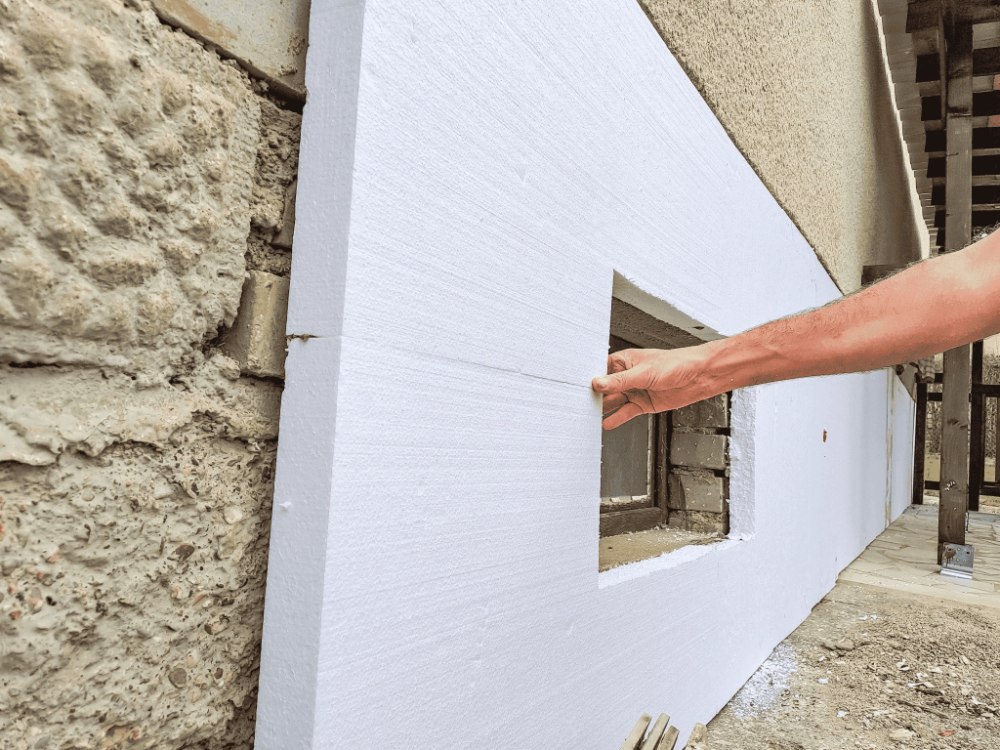
EPS comes into being through the expansion of tiny polystyrene beads that bond together in shaping molds to produce large blocks or sheets. The structure holds a large proportion of enclosed air, thereby reducing overall weight and enhancing heat-blocking ability. Since the formed pieces are easy to cut and mold, EPS suits irregular or complex structures effectively and is widely used in wall insulation, protective packaging, and lightweight structural filling.
How Does XPS Production Differ?
XPS arises via a continuous extrusion sequence in which liquefied polystyrene and expansion agents quickly expand, producing boards with uniform closed cells and smooth surfaces. This continuous method commonly delivers steady thickness and higher rigidity compared with molded foam varieties.
Does Structure Directly Determine Performance?
Although internal arrangement plays a part in determining characteristics, final effectiveness hinges upon appropriate density specification and thoughtful structural planning. Carefully chosen EPS structures reach compressive levels quite similar to those of XPS boards. Consequently, matching material properties to actual project needs generally carries greater significance than selecting one material group over another.
Which Material Provides Better Thermal Insulation Performance?
Heat resistance stands out as a leading factor when choosing foam insulation across residential, commercial, and infrastructure settings.
How Does EPS Perform in Thermal Applications?
EPS limits heat transfer effectively since trapped air in its cells hinders conductive flow. Correct installation ensures stable insulating capability throughout long usage periods. The material works well in exterior walls, roofs, cold-chain packaging, and insulated structures where lighter weight reduces energy losses and building processes.
Does XPS Offer Lower Thermal Conductivity?
XPS boards generally exhibit slightly lower water absorption, which aids in preserving insulating capacity amid continuous damp environments such as below-grade foundations or underground structures. In dry or managed conditions, however, noticeable differences in heat resistance often diminish considerably.
Can Additives Improve EPS Thermal Results?
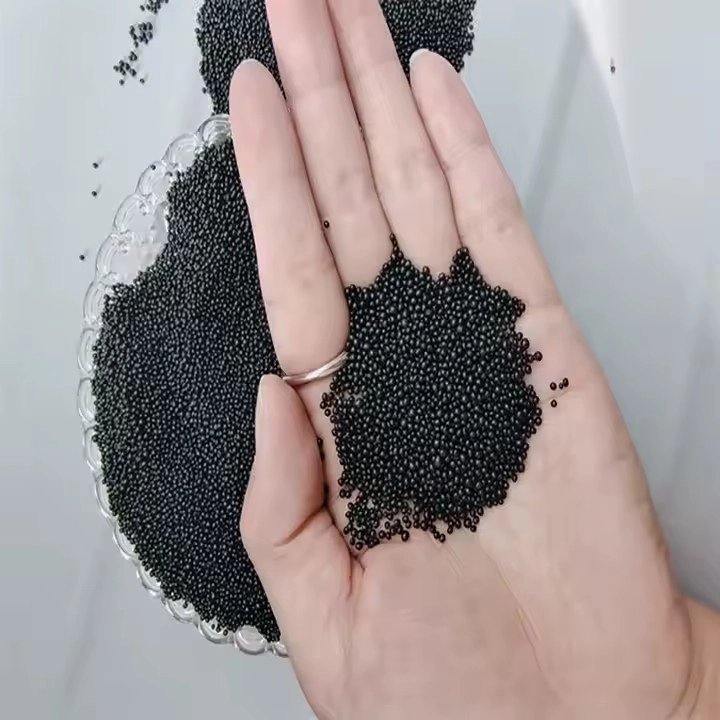
Newer EPS products add graphite elements that capture and reflect infrared energy, thereby decreasing overall heat transfer rates. Panels including graphite grade-S flame-retardant panels show how such modifications enhance insulating capacity while retaining size uniformity and mechanical reliability. These modified compositions can achieve greater sustainable goals without compromising increasing the thickness of panels.
Which Material Performs Better Under Mechanical Loads?
Load-bearing capacity assumes particular importance when insulation materials face continuous pressure or work as lightweight supportive elements.
How Does EPS Handle Compression Over Time?
EPS behavior during sustained load rests largely upon selected density. Properly designed blocks show long-term creep and maintain structural stability in roadway embankments, building foundations, and load-bearing insulation zones. Adjustable density ranges permit engineers to align material performance closely with expected force conditions.
Does XPS Provide Higher Strength?
When density values match, XPS commonly registers marginally greater resistance to compression owing to its uniform cell distribution, which offers particular benefit in compact assemblies demanding substantial strength in constrained depth.
Which Option Reduces Long-Term Settlement Risk?
Risk of gradual sinking depends primarily upon ensuring foam strength corresponds appropriately to imposed burdens rather than favoring one substance category outright. Properly matched EPS density configurations routinely keep deformation within acceptable boundaries, making both options dependable, provided correct engineering guidelines are adhered to.
How Do Construction and Installation Conditions Influence Selection?
Practical installation considerations under actual field circumstances also guide substance preference.
Why Is EPS Easier to Modify On-Site?
EPS blocks permit straightforward cutting, reshaping, and fitting adjustments throughout the erection phase. Such adaptability holds significant value across irregular ground surfaces or intricate structural layouts. Minimal weight furthermore decreases reliance upon heavy machinery, eases material movement, and reduces potential hazards during assembly.
Does XPS Offer Installation Benefits?
XPS boards maintain accurate sizing and even surfaces, facilitating precise positioning in uniform insulation planes. Certain contexts requiring consistent thickness levels find this feature particularly helpful for streamlining installation operations.
Which Material Improves Project Efficiency?
In many practical applications, the adaptable nature of EPS shortens installation interruptions and accommodates swift adjustment to on-site modifications. Lower weight also decreases processing difficulties and accelerates overall construction progress.
For projects emphasizing substantial weight reduction and stable insulating performance, materials like P-grade expanded polystyrene material demonstrate how advanced high-expansion EPS formulations achieve lightweight advantages while maintaining reliable thermal behavior.

How Do Fire and Safety Requirements Affect Material Choice?
Increasingly stringent safety standards play a growing role in determining suitable insulation materials in building environments.
How Does Flame-Retardant EPS Improve Safety?
Contemporary flame-retardant EPS grades contain compounds designed to delay ignition and restrict flame movement, thereby supporting conformity with established construction classifications. Appropriate manufacturing sequences and conditioning steps maintain dependable combustion characteristics appropriate for insulation purposes.
Does System Design Matter More Than Material Alone?
Combustion response emerges from the complete construction assembly rather than the foam substance in isolation. Protective surface treatments, careful joint execution, and overall system configuration exert considerable influence over fire-resistance outcomes. Thorough detailing holds essential importance irrespective of the chosen foam variety.
How Do Advanced Manufacturers Support Reliable Material Performance?
Achieving consistent material behavior depends upon dependable production processes and trustworthy supply arrangements to uphold project standards.
Why Does Manufacturing Quality Matter?
Even bead development and precise density regulation ensure foreseeable insulating and compressive responses. Production inconsistencies may introduce performance variations capable of affecting extended service outcomes, rendering stable manufacturing practices vital for substantial undertakings.
How Does Industrial Innovation Improve Material Reliability?
Collaboration with proficient producers is increasingly important now. HUASHENG has established leadership in advanced EPS production through the adoption of automated production lines, precise expansion controls, and large-scale material recovery systems. Continuous improvement of production processes and strict quality checks enable us to deliver EPS materials extensively used in building insulation, protective packaging, and civil infrastructure fields.
By integrating uniform density distribution, stable compressive performance, and effective thermal resistance with recycled materials, our intelligent manufacturing strategy bolsters reliability and sustainability. Stable supply and specialized technical support enable project teams to maintain uniform quality while reducing environmental impact throughout insulation deployments.
Which Material Performs Better Overall for Future Applications?
Deciding between EPS and XPS involves weighing capability measures against expense considerations and ecological priorities.
Should Cost and Sustainability Influence Decisions?
EPS commonly presents favorable economic aspects, adaptable density adjustment possibilities, and increasing compatibility with recovery processes. As ecological mandates continue expanding, materials demonstrating reduced environmental burden assume heightened priority during planning stages.
Will Material Innovation Change Future Choices?
Steady progress in foam development continues to advance both heat-blocking and load-handling attributes. Upcoming advancements will likely concentrate on minimizing ecological consequences while simultaneously elevating insulating effectiveness and structural dependability.
Conclusion
Both EPS and XPS deliver capable performance in insulation and supportive roles, provided that correct alignment occurs with project circumstances. XPS presents distinct benefits under persistent moisture exposure, while EPS combines solid capability with notable versatility and economic practicality. Accurate density specification and careful installation design exert the strongest influence over outcomes. With sustainable building practices gaining prominence, ongoing refinements in recovered-content and enhanced EPS compositions will continue guiding forthcoming material selections.
FAQs
Q: Is EPS strong enough for load-bearing insulation projects?
A: Certainly. Correct density specification enables EPS to furnish dependable extended load-carrying performance across numerous structural contexts.
Q: Does XPS always provide better insulation performance?
A: Not invariably. Adjusted EPS formulations frequently attain equivalent or superior thermal resistance under various typical conditions.
Q: Which material better supports sustainability goals?
A: EPS manufactured incorporating recovered materials and efficient production methods generally achieves a lower ecological footprint while upholding the required insulating capability.
 English
  German
  Spanish
  French
  Arabic