
Stroll along any road in Europe or North America these days, and scaffolding appears all around. This goes beyond simple upkeep. It forms part of a worldwide push known as the “Renovation Wave.” Energy costs have reached new peaks. New rules on climate are taking effect. As a result, owners of homes and those who develop properties hurry to repair older structures that let in drafts. In earlier times, folks added plain white foam and stopped there. However, rules for buildings grow tougher now. That basic approach no longer works well. People seek a better method to remain comfortable during cold winters and warm summers. They want this without adding too much thickness to walls. Here enters a particular dark form of insulation. It gains attention as a modern solution to an age-old issue. The question remains: how to cut energy use while keeping useful room space intact.
The Big Shift Toward Energy Efficient EPS in Construction
The sector for buildings shifts quickly from simple supplies. In efforts to hold warmth better, energy efficient EPS has turned into the top choice for current work. The usual white expanded polystyrene offered a solid beginning. Yet, it faces drawbacks when matching the latest standards for green building. Now, designers and builders search for items that achieve more using less. This holds true especially since aims often include a “Net Zero” carbon mark.
Picking the correct supply involves more than expense these days. It centers on the facts of heat flow across a wall. For top outcomes, examine how the foam forms from basics. It blocks thermal energy right away.
Transitioning from White to Grey EPS Insulation
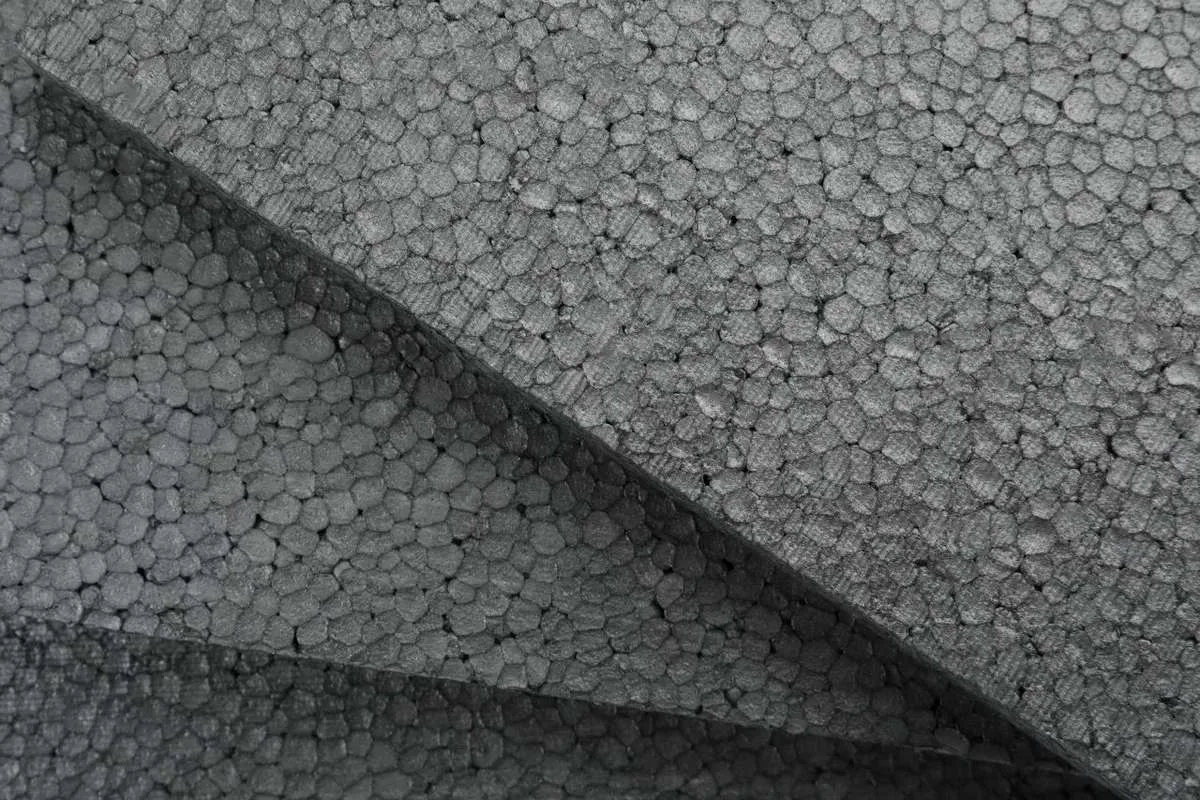
White foam served as the main pick for years. But visit a current building area, and you spot piles of gray panels. This grey EPS insulation stands out due to small bits of pure graphite inside. Picture those bits as countless small reflectors. Heat attempts to pass through the foam by radiation. The graphite sends it back. Such a basic adjustment boosts the item’s work by around 20% over the former white version. The foam does not merely hold air. Instead, it actively blocks heat escape on a tiny scale.
Why Modern Building Codes Demand Better Foam
Authorities move past mere advice on improved insulation. They require it firmly. In various areas, permits for buildings demand walls hit a specific “R-value.” This number shows how a supply fights heat passage. Standard foam demands very heavy layers to meet these marks. That would turn window views into long passages. For this reason, graphite EPS foam gains favor. Builders reach hard legal goals without altering the home’s outer shape or size. It offers a useful answer to rule-based troubles.
Why High R-Value Foam Is a Game Changer for Old Houses
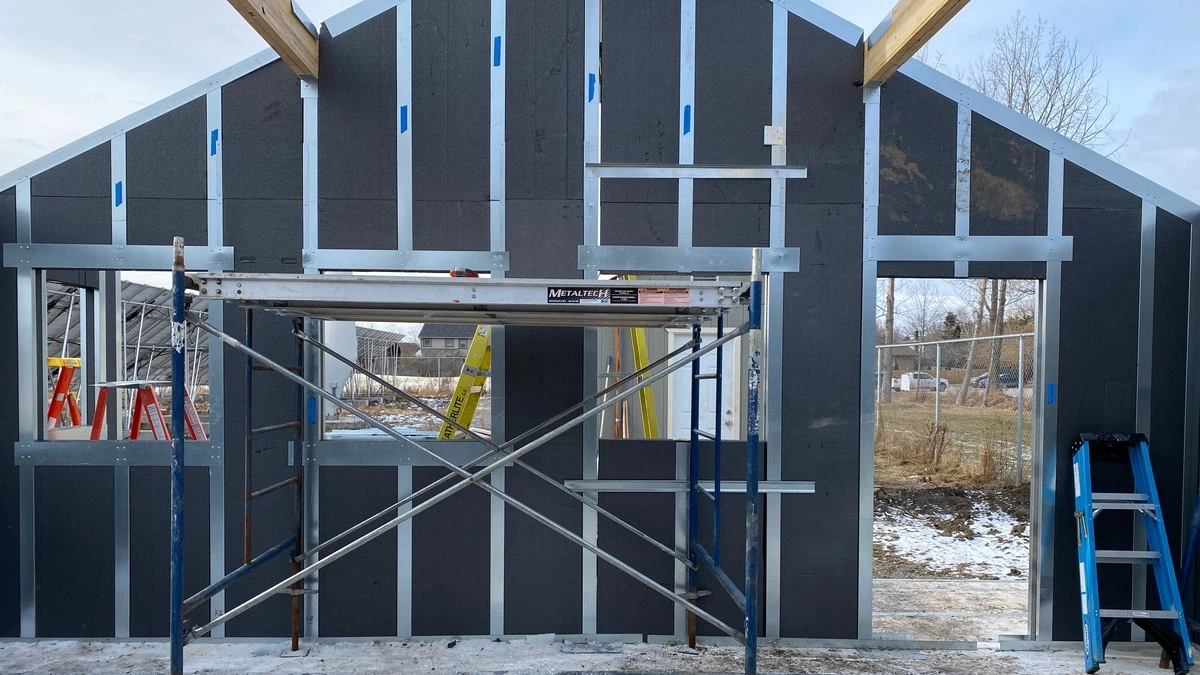
Updating an aged home proves tougher than starting fresh with a new one. You deal with current limits like tight paths, set roof edges, and fixed window spots. A high R-value foam often stands as the sole path to make a brick or stone structure use energy wisely. This avoids full removal. It brings a large gain in ease for those inside. At the same time, the outer view stays the same.
The strength of these strong supplies lies in fixing area issues. During updates in busy city apartments, each bit of space counts. The right panel choice separates a smooth task from a planning mess.
The Power of a Thin Insulation EPS Board
Homeowners often voice concern in updates about losing room size. Adding 10 inches of foam inside shrinks the area noticeably. With a thin insulation EPS board that includes graphite, you gain equal warmth using far less depth. Frequently, a 4-inch graphite panel matches a 6-inch white one. Rooms stay open. Window light flows freely without heavy, plain borders blocking it.
Solving the Problem of Thermal Bridging
Aged homes often suffer from “thermal bridges.” These occur at places like beam supports or wall edges where warmth slips out fast. Fine thermal retrofitting foam serves as a full cover over the structure. Graphite foam excels at halting radiated heat. Thus, it maintains even warmth on inner walls. This cuts costs beyond bills. It stops cool areas that breed mold. An old damp and cold place becomes a dry, safe spot. Heating it costs little.
The Importance of Quality Graphite EPS Manufacturing
Foam varies greatly in make. Two panels may appear identical, both gray and airy. Yet, their function differs widely. Graphite EPS manufacturing demands careful steps and fine base items. Uneven graphite spread in the grains creates “soft areas” for heat leaks. This ruins the point of the change.
HUASHENG stresses correct details. Their Special Grade G shows what top chemistry and new tools produce. It yields a steady item for business-to-business needs.
- Uniform Bead Distribution:Good manufacturing means every single bead of foam has the right amount of graphite. This ensures the thermal resistance is the same at the top of the wall as it is at the bottom.
- Dimensional Stability:High-quality foam is “aged” or cured properly. This means once it’s on your wall, it won’t shrink or warp over time. Cheaper foams often pull away from each other after a few years, leaving gaps that let the wind in.
- Compression Strength:Even though it’s mostly air, graphite EPS foam needs to be tough. HUASHENG’s manufacturing ensures the boards can handle the pressure of the outer plaster and the occasional bump from a ladder or a bike without denting.
- Faster Drying Times:Their Special Grade G is designed for efficiency. For a contractor, a foam that dries quickly and bonds well to adhesives means the job gets finished days earlier, saving big on labor costs.
Real World Application and Long Term Savings
In full update costs, the foam price forms a minor share. Most funds cover work, supports, and final coats. Thus, wise builders gladly spend extra on grey EPS insulation. Better supplies improve the full setup. No worries arise for fixes or issues after a decade. It pays back via reduced energy payments and raised home worth.
Past figures on sheets, a personal angle exists. Folks in updated homes note true comfort in living areas. This holds during storms or hot spells for the first time.
Why Builders Prefer Thermal Retrofitting Foam
Builders favor supplies simple to handle. Graphite foam weighs little. This aids greatly when lifting panels up several levels of supports. It cuts easily with a basic heated wire device. Thus, fits form well around tubes, air flows, and odd angles. Such accuracy seals the home tight. A focused thermal retrofitting foam cuts site scraps. It smooths the task for the team.
The Environmental Impact of Energy Efficient EPS
Foam from plastic often seems harmful to earth. Truth proves more layered. Energy efficient EPS saves heaps of fuel for heating over 50 years. It blocks more carbon release than its creation caused. Also, current EPS recycles fully. Factories now remake old bits into fresh grains. This joins a “circular economy.” It aids building work to grow greener over time.
Conclusion
The “Renovation Wave” isn’t going away anytime soon. As we all try to find ways to live more comfortably while spending less on energy, materials like graphite EPS foam will continue to lead the way. Whether you are an architect looking to meet a tough green building code or a homeowner wanting to reclaim your drafty attic, choosing a high R-value foam is the smartest move you can make. It’s thin, it’s tough, and it works. If you are ready to take your next project to the next level with high-performance insulation, it might be time to see what professional-grade solutions can do for you. Reach out to the team at HUASHENG to learn more about our EPS products and get the support you need for your next big build.
 English
  German
  Spanish
  French
  Arabic