
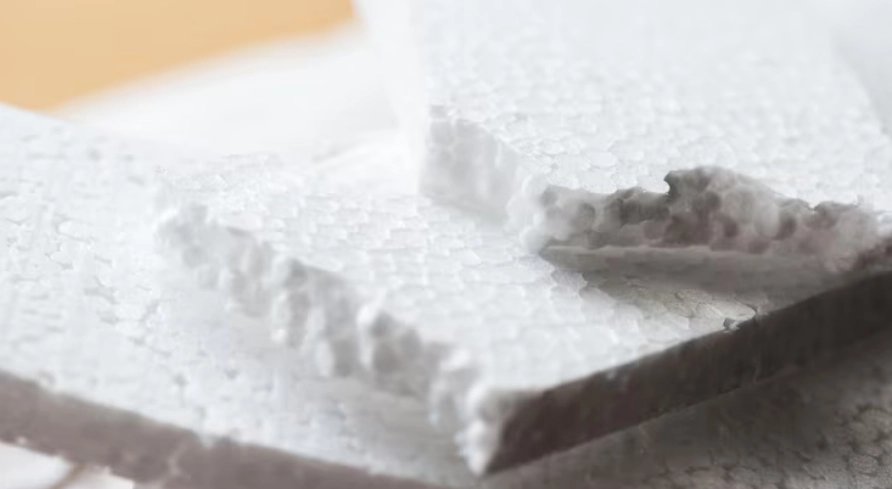
Polyethylene-based foams are no longer evaluated only by density and price per kilogram. If you are specifying materials for insulation systems, engineered packaging, or precision components, your decisions increasingly depend on cell structure control, thermal performance, regulatory alignment, and long-term sustainability metrics. This guide focuses on practical engineering perspectives, enabling you to select foam solutions with clearer technical logic rather than relying on generic datasheets.
What defines polyethylene foam at the material level?
Polyethylene foam belongs to the family of closed-cell polymer foams designed to balance mechanical resilience with lightweight structure. Its real performance is governed by microcell uniformity, gas retention, bead morphology, and molecular weight distribution rather than surface appearance.
At the production scale, material behavior becomes predictable only when three variables remain tightly controlled:
- Cell consistency: Uniform closed cells deliver stable compressive recovery and reliable insulation.
- Molecular architecture: Higher molecular weight polymers improve long-term dimensional stability and reduce creep.
- Bead processing precision: Particle size distribution determines molding efficiency, bonding quality, and surface finish.
Advanced foam systems increasingly integrate functional fillers such as graphite or carbon additives to actively manage radiant heat transfer and enhance insulation performance rather than relying on air entrapment alone.
Which properties matter most in real-world projects?
Before reviewing grades and applications, it is worth isolating the properties that actually affect system reliability.
Thermal conductivity
Thermal resistance remains one of the strongest decision drivers. Modified foam grades incorporating infrared-absorbing fillers can reduce conductivity by over 20% compared with conventional material. For example, materials of graphite grades achieve thermal conductivity below 0.033 W/m·K versus 0.039 W/m·K for standard material, while also meeting B1 fire performance requirements.
This is not a minor improvement—across façade systems, this difference can directly reduce panel thickness or improve compliance with stricter building energy codes.
Mechanical strength and dimensional stability
High compressive strength, stable molecular structure, and low post-molding shrinkage define whether a foam maintains geometry over years of service. Enhanced grades with higher molecular weight and reinforced structures show better resistance to deformation under sustained load, which is critical in prefabricated construction and long-term packaging reuse.
Fire performance and compliance
Material selection increasingly faces compliance pressure. Advanced flame-retardant grades use non-HBCD systems that align with EU REACH and RoHS expectations while still achieving B1 performance levels, which allows use in regulated building environments without sacrificing sustainability targets.
Why is material modification reshaping performance expectations?
Traditional polyethylene foams rely primarily on trapped air for insulation and shock absorption. However, newer grades integrate functional materials during polymer synthesis to create foams that actively interact with heat and mechanical stress.
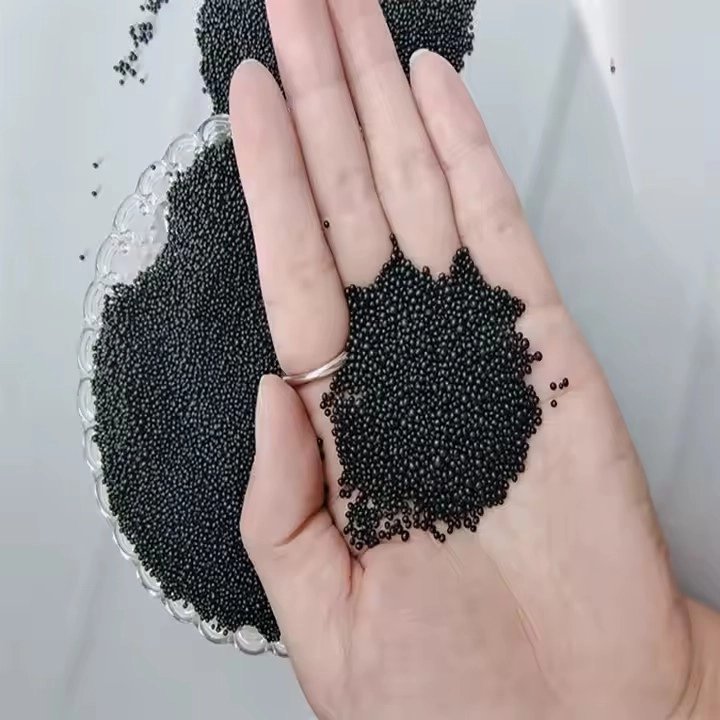
A representative example is low-thermal-conductivity black polystyrene FGE materials, where carbon black is introduced during suspension polymerization. These materials reduce heat transfer, improve sound insulation, and enhance antistatic behavior while maintaining stable color and bead uniformity. Such materials are engineered specifically for high-density insulation products (over 18 kg/m³) used in demanding construction and industrial environments.
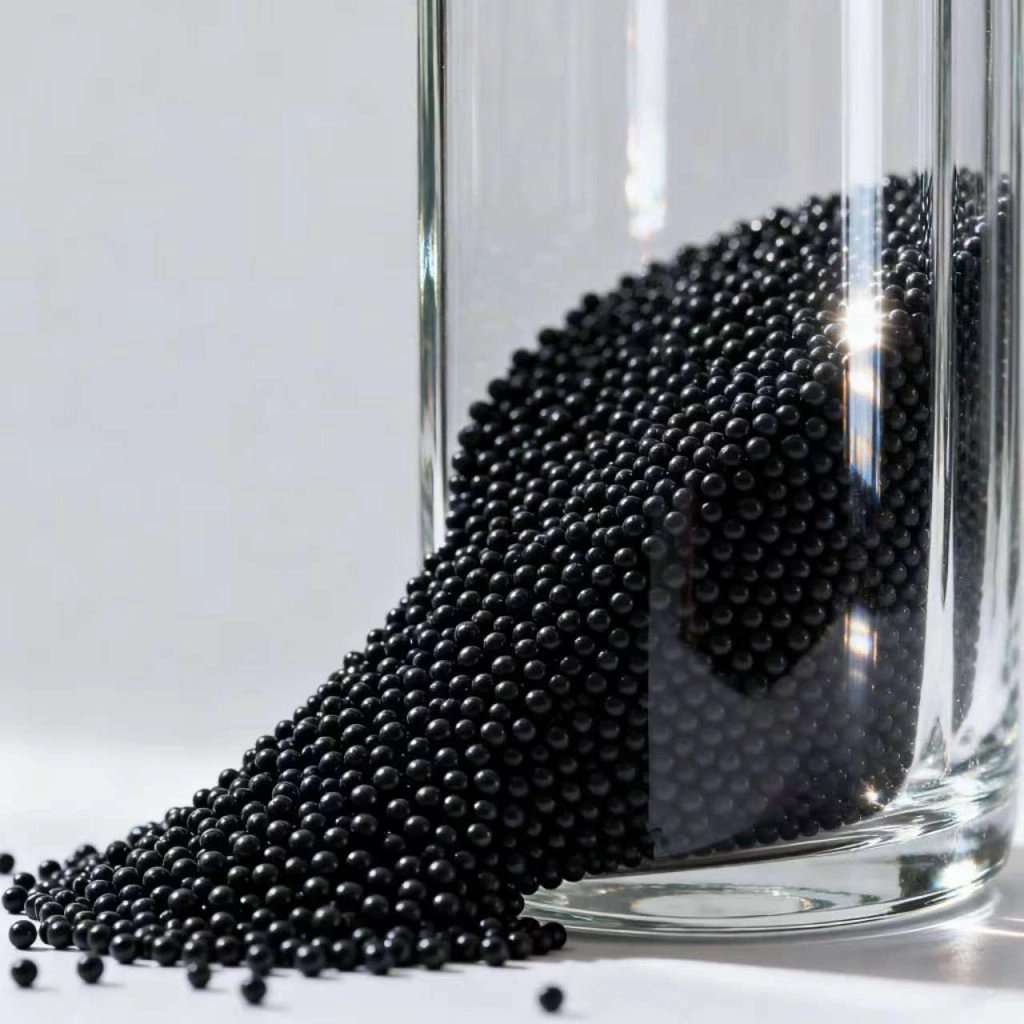
The implication for you as a specifier is clear—foam is no longer a passive filler, but becomes a functional component of the system.
Where does advanced production capability make a measurable difference?
Behind every stable foam grade sits a production ecosystem capable of controlling variability at an industrial scale. This is where supplier engineering capacity becomes more important than marketing claims.
HUASHENG is a high-tech manufacturer specializing in advanced expandable foam systems. Rather than focusing only on output volume, we have invested in digital twin laboratories and material gene databases to optimize bead structure and performance consistency. Our product portfolio covers ordinary, flame-retardant, and graphite grade series used in various applications, such as cold-chain logistics, prefabricated buildings, and seismic packaging.
What makes this relevant to you is not branding but capability, including independent equipment design, multi-particle size customization, and process control that supports lightweight optimization without sacrificing strength. These attributes directly translate into more predictable downstream molding results and fewer deviations during mass production.
This level of engineering maturity explains why advanced graphite grades, such as graphite grade–S materials, achieve thermal conductivity below 0.032 W/m·K and are already applied in passive building systems.
How does sustainability influence material selection today?
Sustainability has shifted from a corporate narrative to a procurement requirement. You are increasingly expected to justify material choices based on lifecycle impact rather than only performance.
Modern closed-loop foam systems demonstrate measurable outcomes:
- Annual recycling capacity reaching 300,000 tons of foam waste
- Savings equivalent to 1.5 million tons of crude oil and 1.2 million tons of CO₂
- Compaction technology reduces transport volume to 1/90 of the original size
- Recycled materials are compliant with medical, pharmaceutical, and HACCP food-chain requirements
From a technical perspective, this matters because recycled feedstock quality now supports high-performance applications. Solvent-based recovery, pyrolysis purification, and closed-loop manufacturing allow recycled materials to meet standards such as FDA 21 CFR 177.1640 and UL 2809 environmental validation.
For the projects, it means you no longer need to trade off performance to meet ESG requirements. Advanced foam systems increasingly deliver both.
Which applications benefit most from engineered foam systems?
The application value of polyethylene-based foam is expanding precisely because performance predictability has improved.
Building insulation systems
Engineered foam panels with enhanced thermal resistance contribute directly to lower energy demand and better long-term envelope stability. In real projects, these materials support external wall systems designed for energy-saving buildings and passive construction.
Protective packaging and cold-chain logistics
Foam with controlled toughness and impact resistance protects sensitive goods from vibration and mechanical shock. Advanced grades are widely applied in medical devices, biopharmaceutical transport, electronic components, and precision instruments, where both cushioning performance and regulatory compliance are non-negotiable.
Custom structural and design applications
With adjustable bead sizes and moldability, foam materials increasingly appear in decorative architecture, lightweight structural fillers, and even engineered composite panels. The key advantage is not aesthetics but the ability to tailor density, strength, and geometry to project constraints.
How should you approach specification in practice?
If you want to move beyond generic data, a practical specification strategy includes:
- Define target performance first (thermal λ, compressive strength, fire rating)
- Select grade family based on functional modification (graphite, carbon, flame-retardant)
- Confirm particle size compatibility with your molding or fabrication process
- Verify supplier capability for consistency, not only laboratory values
- Require lifecycle documentation where sustainability matters
When suppliers can demonstrate digital process control, closed-loop recycling systems, and standardized testing alignment, the material risk profile decreases significantly.
FAQs
Q: How do modified foam grades improve insulation compared with standard materials?
A: Graphite and carbon-modified foams absorb and reflect radiant energy within the cell structure, reducing heat transfer beyond what trapped air alone can achieve. Documented thermal conductivity values below 0.033 W/m·K show more than 20% improvement compared with ordinary material.
Q: Can recycled foam materials meet demanding regulatory environments such as medical or food logistics?
A: Yes. Advanced closed-loop systems now support compliance with Class II/III medical applications, biopharmaceutical cold chains, and HACCP food logistics, supported by purification technologies and regulatory-aligned processing.
Q: Why does supplier engineering capability matter more than brand reputation?
A: Performance stability depends on process control, particle size precision, equipment design, and laboratory validation. Suppliers with digital twin simulation, independent equipment engineering, and multi-grade customization are better positioned to deliver consistent material behavior across large-scale production.
 English
  German
  Spanish
  French
  Arabic