
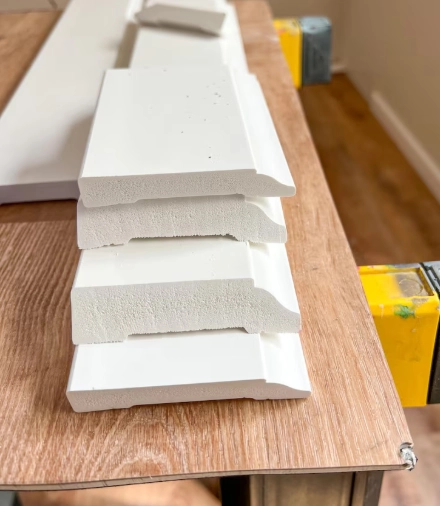
Polystyrene insulation serves as a sensible option for both outside and inside walls because of its steady heat blocking, water resistance, and budget-friendly nature. EPS panels assist in lowering energy use, promote lasting strength, and come in fire-resistant types that satisfy tough safety rules. Exterior applications need suitable UV protection and secure fixing, while interior applications benefit from a simple setup. With verified, earth-friendly mixtures and correct placement, EPS delivers a dependable, green wall insulation answer.
Is Polystyrene Insulation a Viable Option for Wall Applications?
Why should you consider polystyrene panels for thermal insulation in wall construction?
Polystyrene wall insulation boards are increasingly recognized for their excellent heat performance in current building work. A main cause to select polystyrene lies in its capacity to supply reliable heat resistance. The closed-cell build of expanded polystyrene (EPS) minimizes conductive, convective, and radiant heat movement. As a result, it keeps indoor temperatures steady across seasons.
In building insulation fields, HUASHENG’s EPS foam products, featuring the remarkable ability of heat resistance, stand out clearly, effectively reducing building energy spending. The EPS structure holds a strong R-value across years, making it a financially appealing choice when balancing upfront investment with long-term energy savings.
When matched against materials like mineral wool or polyurethane foam, polystyrene provides a good balance of price and results. Not only is it lightweight and easy to handle, but its manufacturing processes also tend to be less energy-intensive.
How does polystyrene perform in terms of moisture resistance and vapor permeability?
Water control proves vital in wall setups, especially in areas with high humidity or regular temperature shifts. Polystyrene boards show solid defense against water uptake thanks to their closed-cell makeup.
These traits suit them for damp weather zones and dry indoor spaces. By pushing away water, EPS lowers the chances of mold and mildew inside wall spaces, which is essential for keeping indoor air quality and protecting building integrity.
Moreover, EPS displays low vapor permeability, which helps restrict moisture movement through the wall structure and protect wooden framing or metal supports from condensation-related degradation. Consequently, EPS insulation supports long-term durability in business and home buildings.
Can polystyrene insulation meet fire safety requirements in wall systems?
What are the available flame-retardant grades of polystyrene for safer installations?
Fire protection remains a leading concern in building cover design, particularly for tall or crowded structures. Flame-retardant EPS boards appear widely and receive special mixes to follow strict safety marks.
Advanced mixtures exist, such as Flame Retardant Grade – FHE-N-HBCD, which satisfy demanding fire results standards. These items are developed with non-HBCD fire blockers. These products comply with EU REACH and ROHS standards, avoiding dangerous releases during burning.
The flame-retardant grade achieves Class B1, and these prepared boards and shaped items show self-stopping fireproof traits. These EPS kinds fit projects needing rule following for fire spread, smoke creation, and starting resistance, key elements for safe wall assemblies.
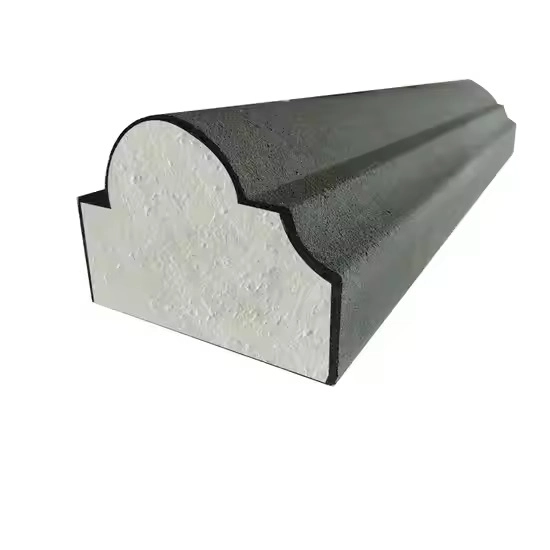
How does flame-retardant polystyrene contribute to passive fire protection strategies?
EPS boards with added fire blockers play a crucial part in passive fire defense because they postpone starting and slow fire growth, providing important escape time in crises.
When combined with non-burning layers, it boosts full wall system protection. These configurations also support useful division—keeping fires in set areas—which forms a basic rule of current fire-safe building.
Fire-rated EPS boards, like those made by HUASHENG, are designed to function in layered setups that include gypsum board, mineral wool, or cement covers. Fire-rated boards support division in business or home structures.
What is the practical difference between exterior and interior wall applications?
Are there specific considerations when using polystyrene on exterior facades?
In exterior wall insulation systems (such as ETICS), polystyrene must handle environmental exposure while maintaining its performance. One vital need involves shielding from ultraviolet (UV) degradation.
Exterior installations demand UV protection or cladding to stop degradation from sunlight. This goal often reaches through plaster coats, aluminum sides, or brick veneer cladding.
Mechanical fixing also becomes increasingly important for exterior work. Wind force resistance and mechanical anchor systems must be optimized during the installation process. Correct anchoring keeps boards firm under changing weather states. Besides, weather shields must be integrated without hindering vapor flow to manage moisture flux effectively across the building envelope.
How should you approach interior applications of polystyrene panels?
Interior walls place fewer demands on material strength due to little contact with weather or force. Interior uses allow simpler handling because of reduced risks like weathering or mechanical stress.
EPS boards can be installed easily behind drywall setups or finish layers, which reduces labor expenses and simplifies retrofit projects in current buildings. For non-support partitions, the light quality of EPS reduces dead load on the structure while supplying enough thermal resistance.
For interior partitions, lightweight properties help reduce structural load while keeping insulation performance.
How does HUASHENG enhance the performance of polystyrene insulation solutions?
What makes HUASHENG’s technology relevant for your insulation needs?
HUASHENG shows how modern production can raise standard EPS into a strong material matching current building rules. With many years of skill in expanded polystyrene (EPS) development, HUASHENG supplies carefully crafted insulation boards suitable for current construction needs.
Our advanced manufacturing line includes smart foaming methods and strict quality checks to ensure even density and the best pressure strength. Our production steps stress uniformity, fire resistance, and reuse ability—ensuring dependable results in different uses.
HUASHENG’s flame-retardant grade like FS and FHE not only reaches B1-level burning marks but also remains environmentally responsible. Choices like Flame Retardant Grade – F reduce harmful releases while keeping fire defense.
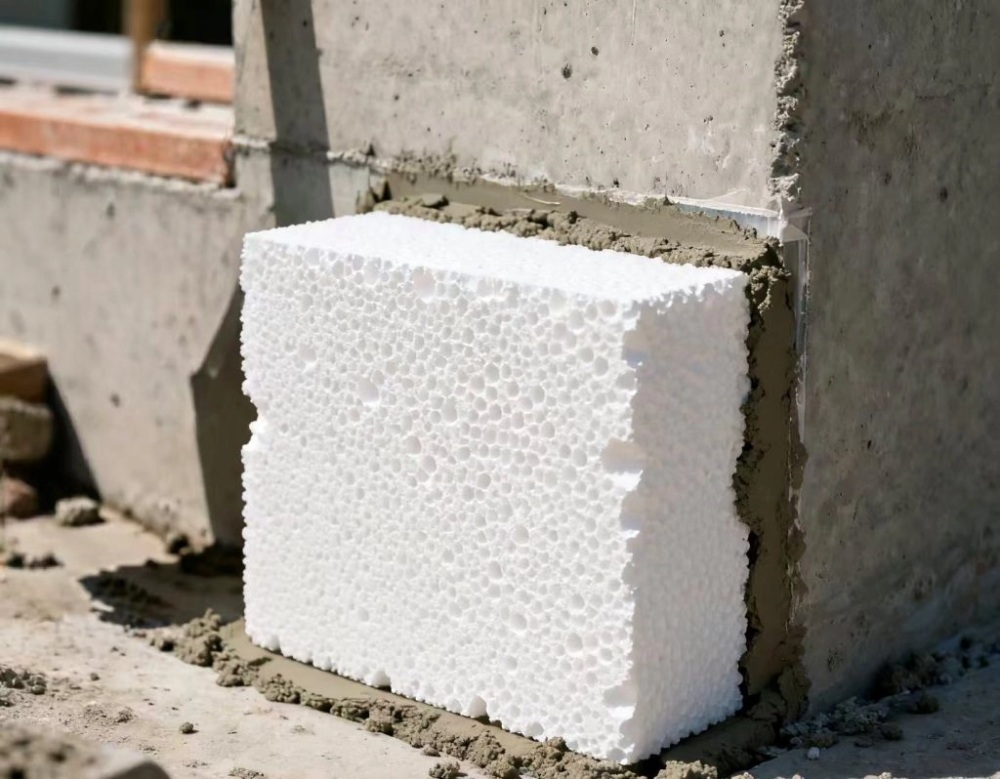
What installation factors influence the long-term durability of polystyrene wall insulation?
Why is proper sealing and joint treatment critical when using EPS panels?
Improper placement can cancel gains from even the best-quality insulation. Spaces between boards can cause heat bridging and air leaks if not sealed properly. These flaws compromise energy savings and allow condensation in wall assemblies.
Joint handling with matching sealants prevents water entry, weakening adhesives or promote germ growth over the years. Matching sealants ensures lasting adhesion without chemical incompatibility.
Careful sealing also raises airtight quality, which is a vital point in low-energy buildings like passive houses.
How do mechanical fasteners affect the integrity of the installed insulation system?
Fastener selection and position are key when attaching EPS boards to different bases. Overdriving fasteners too far may compress the board too much, reducing its insulation value (R-value).
Driving too far may form stress spots, leading to breaks or shape changes across time. Anchors require choice based on base matching—for example, masonry walls versus wood framing need varied hardware details.
By sticking to good practices in anchoring methods and weight spread, workers can keep material traits throughout the building’s full life.
Are there environmental or health concerns associated with using EPS insulation?
What role do eco-conscious flame-retardant products play in sustainable construction?
Current formulations of flame-retardant EPS now focus on environmental safety without losing performance. These formulations avoid banned substances like HBCD, which align with green building certifications.
HUASHENG’s FHE-N-HBCD grade shows this method by supplying halogen-free fire resistance following global health standards. Reusable EPS materials reduce landfill waste and contribute to circular economy goals.
Certifications like REACH and ROHS further validate their use in sustainable projects across residential and commercial sectors.
How does EPS compare environmentally to other common insulation materials?
Expanded polystyrene brings several green benefits when matched to mineral wool or polyurethane-based insulation and carries lower built-in energy than mineral wool or polyurethane options. Its light makeup cuts emissions during transport steps. Light traits lower transport releases in delivery stages. Besides, EPS is chemically stable, bringing no risk of VOC off-gassing into indoor spaces. HUASHENG advances this green profile further by recovering up to 300,000 tons of EPS each year—saving 1.5 million tons of crude oil equivalent and 1.2 million tons of CO₂ releases.
FAQs
Q: Can I use polystyrene panels behind brick veneer walls?
A: Yes, provided there exists a correct drainage room and a vapor shield joining. Boards should avoid direct contact with water-holding surfaces without guard layers.
Q: Do I need a vapor barrier if I use EPS on interior walls?
A: This varies with the climate area. In cold areas, a vapor barrier might prove needed to stop condensation in walls; check local building rules.
Q: Are flame-retardant EPS panels suitable for high-rise buildings?
A: Yes, as long as they satisfy the needed fire safety groups. Always check the matching with local rules before choosing them for tall buildings.
 English
  German
  Spanish
  French
  Arabic