
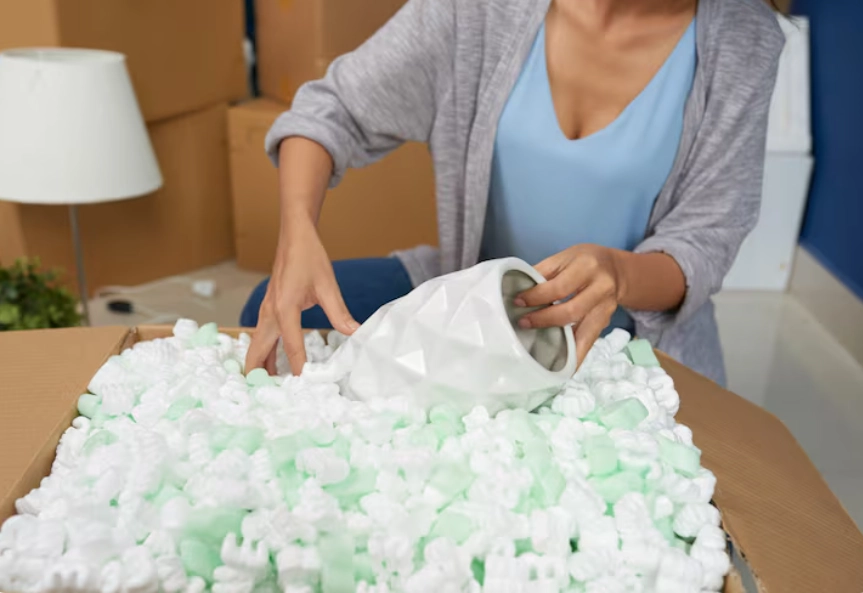
Selecting the correct packaging foam for logistics depends on goods traits, load-bearing needs, environmental conditions, weight efficiency, regulatory compliance, sustainability goals, and cost-effectiveness balance. Breakable or costly items need strong shock absorption, while heavy goods call for high compressive strength. Temperature and moisture resistance are critical for long-distance or cold-chain transport. Lightweight foams help reduce shipping costs without sacrificing protection when engineered correctly. Compliance, recyclability, and lifecycle cost savings increasingly influence material choices, making advanced EPS solutions a strategic component of modern logistics packaging.
What Determines the Right Packing Foam Material for Your Logistics Needs?
How does cargo type influence your foam material choice?
Choosing the proper packing foam material begins with checking the body traits of goods. Fragility, weight, form, and sensitivity to impact directly influence your choice of foam density, structure, and resilience.
For example, soft items like electronics, medical tools, or glass need materials that give great shock take to stop harm from shakes or quick hits. In this case, REPS products have excellent impact resistance and toughness, and their results fit well for costly items where damage risk must be reduced. Besides, the first goal of their study and growth was to better the use of usual EPS in packing material work, mainly in high-demand parts such as LCD panels, tablets, and mobile phones.
Heavier products like factory tools or machines need higher pressure strength and shape hold. In these cases, the special grade (filling material) – G is made specially to the customer’s wants and ideal for uses where structural strength under weight stays vital.
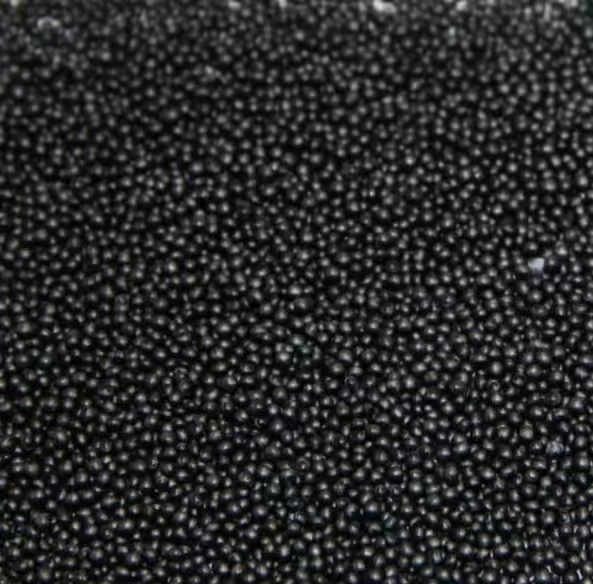
Personal fitting plays a big role. With built materials like REPS, custom making can happen for certain work to reach build fine or total light weight. This flexibility helps logistics managers in aligning packaging solutions precisely with the product’s vulnerability profile.
Why is load-bearing performance critical in foam selection?
In transit and storage places where goods stack, the foam’s ability to keep its shape under pressure remains top. Change not only harms product safety but also affects pallet stability.
Materials like the Special Grade (Filling Material) – G show better pressure strength and are built for high-load uses. These are needed in long-haul logistics or overseas shipments where shake and stack pressure lasts for long periods.
Foams used in these settings must show steady load spread traits to stop pressure spots that could crush or bend items. The REPS series, thanks to its honeycomb-like closed-cell structure, gives a 40% improvement in compressive strength compared to common EPS, making it a good choice for load-holding logistics needs.
How Do Environmental Conditions Affect Foam Material Selection?
What role does temperature sensitivity play in logistics packaging?
When sending travel across different weather zones or entering cold chain logistics places, foam heat stability becomes a deciding point in material choice.
Graphite better EPS foams give improved heat resistance, which keeps guard across changing weather. For instance, HUASHENG’s graphite grades, such as FGE and S-33, reduce the thermal conductivity of polystyrene insulation board and improve the thermal insulation and sound insulation performance of the material, ensuring that even under very hot or cold settings, inside heat changes stay low and sensitive goods such as medicines or food stay safe.
These materials also help shape and hold up under heat shifts. For example, S-33 improves thermal insulation performance by more than 20% over usual EPS, making it ideal for high-standard energy-saving buildings and refrigerated logistics applications.
Can humidity and moisture exposure impact foam effectiveness?
Exposure to wetness during sea move or long storage can harm open-cell foam builds, leading to loss of cushioning performance and microbial growth. So selecting a foam with low water pass-through is needed for keeping goods safe over long storage times or world move paths.
Closed-cell foams like HUASHENG’s REPS series naturally fight water uptake. According to test data, the AquaGuard flood control module achieved a water absorption rate of less than 0.5%, ensuring that protective qualities remain intact even when exposed to high humidity or condensation environments typical of containerized sea freight.
How Important Is Weight Efficiency in Packaging Foam?
Why does lighter foam matter for shipping costs?
Logistics cost models, particularly those based on volumetric weight, such as air cargo, are highly sensitive to the mass of packaging materials.
The use of extra light grade-P EPS from HUASHENG greatly lowers packing weight without losing guard. As described, P-extra light grade P-101 has a magnification of 80–100 for one time and 180–200 for multiple times, making it very useful for light but voluminous protective structures.
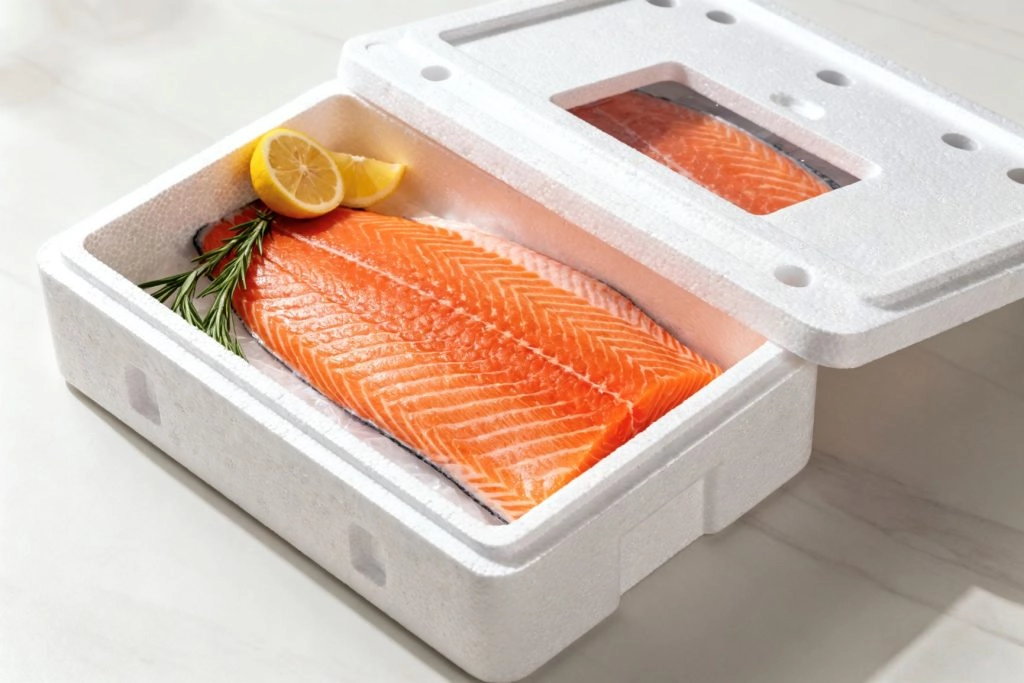
This reduction in weight turns straight into freight savings, mainly for e-commerce sellers sending around the world.
Does reducing foam weight compromise protection levels?
Better material building enables foams like REPS to give great impact resistance and toughness even at lower thickness. This balance of protection and weight efficiency comes from new ways, such as nano closed hole build tech that enhances energy dispersion upon impact. Matching foam grade to the product’s fragility and shipment profile ensures light choices do not lose safety.
Are Regulatory and Sustainability Factors Influencing Your Choice?
How do compliance requirements affect material selection?
Compliance is not optional—regulations surrounding flammability, chemical composition (e.g., HBCD-free), and recyclability increasingly dictate material eligibility for export markets. Using EPS that accords with related laws ensures smooth customs clearance and avoids repackaging costs from regulatory violations.
HUASHENG handles this with a full range of marked materials. For instance, their FHE-N-HBCD flame retardant grade uses non-HBCD flame retardants that comply with EU REACH and ROHS rules. Besides, FGE graphite polystyrene materials can reach B1 level in burning results, which meet strict building and transportation safety codes.
What role does recyclability play in modern logistics strategies?
With rising ESG expectations from customers and regulators alike, sustainability now drives packaging new ideas.
HUASHENG recycles 300,000 tons of EPS each year, which saves 1.5 million tons of crude oil and 1.2 million tons of CO₂ emissions. Their REPS materials follow world PS recycle group 6, allowing them to be reused internally or exported with ease.
How Do You Balance Cost Against Performance in Foam Packaging?
What factors drive cost differences among foam types?
Many points add to price changes: thickness, raw material source, production difficulty, and added traits such as flame retardancy or anti-static properties.
High-performance formulations like HUASHENG’s graphite-enhanced foams or REPS series may carry a premium upfront. However, they offer lifecycle cost savings by reducing damage during transit and enabling returns through sustainable reuse cycles. Moreover, REPS production saves over 20% in molding energy consumption and increases molding efficiency by more than 50%—translating directly into operational cost advantages.
When should you invest in high-specification materials?
When handling sensitive products like medical tools or mRNA vaccines, the results of packing break far outweigh small material costs. In these cases, better EPS can lengthen heat control time by 40% while cutting yearly goods harm rate to 0.3%, showing its worth in key uses.
In the end, companies like HUASHENG offer engineered solutions tailored to your logistics challenges. Their expertise across EPS grades—from ultra-light P-materials to graphite-enhanced flame-retardant variants—ensures that performance, compliance, sustainability, and cost-efficiency converge seamlessly within your packaging strategy.
FAQs
Q: Can I use the same packing foam for all my products regardless of weight?
A: No. Heavier items need higher thickness foam to stop pressure harm in movement.
Q: Is EPS foam suitable for international shipping involving extreme temperatures?
A: Yes, mainly when using graphite better grades that give improved heat guard and shape hold.
Q: Will using lighter foam reduce my overall shipping costs significantly?
A: Yes. Light foams help lower freight charges without losing guard if matched right to the product kind.
 English
  German
  Spanish
  French
  Arabic