
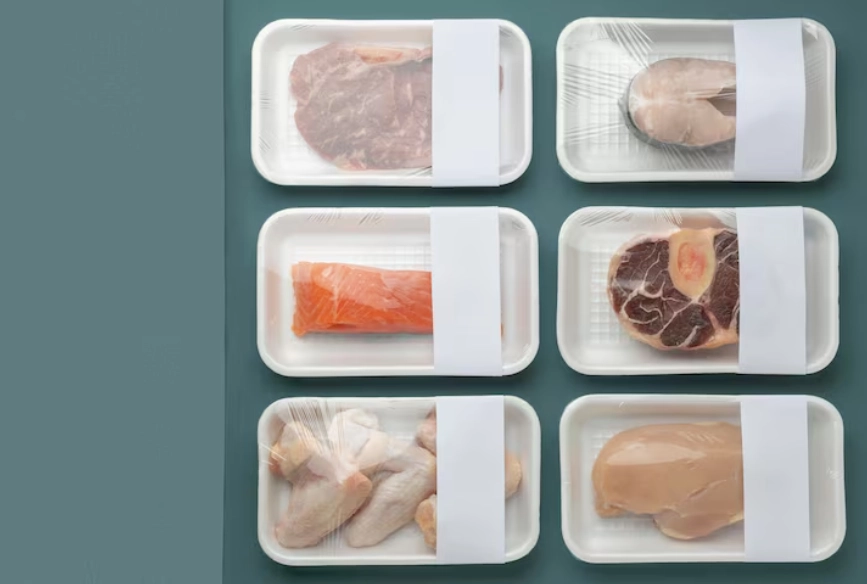
Expanded polystyrene (EPS) works well for cold chain packing because of its strong heat blocking, solid build, and water resistance. Discussions continue about its green impact due to recycling issues. Yet, its light weight cuts fuel use during transport. New developments like changed fire-safe types and quick model making raise its eco results. Companies like HUASHENG push forward green EPS answers with high reuse rates and energy-saving making. Smart habits such as reuse plans and better shapes can raise EPS reuse cycle, turning it into a workable, though changing, pick for green cold chain packing.
What Makes Expanded Polystyrene a Consideration in Cold Chain Packaging?
The Material Properties That Support Thermal Insulation and Structural Integrity
Expanded polystyrene (EPS) has served as a main item in cold chain transport for many years because of its special body and heat traits. The heart of its strength comes from its closed-cell setup. This setup holds air inside its frame. Expanded polystyrene (EPS) shows a closed-cell build that keeps air trapped. This gives steady heat blocking. The feature proves necessary for holding needed heat levels while moving goods that spoil easily, medicines, and living samples.
Beyond heat blocking, EPS brings firm structure with little weight. Its light but hard shape guards temperature-sensitive items from harm. This mix not only lowers send costs but also keeps loads safe from shakes and hits during travel.
Water control also matters greatly in keeping heat strength. EPS fights water take-up. This helps hold heat results during travel. The water-repelling trait cuts risks of weaker blocking from outside wetness or water build-up inside boxes.
Why EPS Continues to Be Widely Used Despite Sustainability Concerns
Even with rising checks on its effect on nature, EPS stays common in cold chain packaging. One main reason lies in money savings. EPS costs little for big packing work. Its low item price and ability to make in large amounts turn it into a good money choice for stores with small edges.
EPS also works steadily across changing transport states. It holds up well in wide heat ranges and travel conditions. Whether facing very low cold or high outside heat, EPS keeps its build and heat strength.
Shape freedom adds another key point. The item molds easily into custom fits. This cuts empty space and raises load safety. Custom work not only boosts results but also lowers item waste. This matches some green aims.
Is Expanded Polystyrene Environmentally Sustainable in the Long Term?
Evaluating the Challenges of Recycling EPS at Scale
EPS can be reused in theory. However, it meets big hurdles in real large reuse. EPS qualifies for reuse but often stays out of city reuse plans because of dirt risks and low money return. The chief problem comes from its low thickness. This makes gathering and moving costly without special tools.
Its light bulk makes moving to reuse sites wasteful without pressing. Answers like better pressing machines have appeared. They reach size cuts as high as 50:1. Yet, such tools remain rare in many places.
How Lifecycle Assessments Compare EPS with Alternative Materials
From a full life view, EPS shows a mixed picture. Research finds that while EPS has high carbon release in making, its light weight lowers fuel use in moving. This makes it better in fuel savings against heavier choices like polyurethane or pushed polystyrene.
When reused or handled through better reuse systems, its total effect can drop compared to heavier items. Efforts by top makers now cover chemical reuse and heat breaking that turn EPS back into clean base parts for new goods.
Can Technological Innovation Improve the Sustainability of EPS Packaging?
The Role of Modified EPS Grades in Meeting Environmental Standards
New progress in material study has led to safer green fire-blocking EPS types. Fire-safe mixtures like graphite flame retardant grade – FGH-N-HBCD raise fire guarding while keeping heat strength. These mixtures follow tough rules such as EU REACH and ROHS by removing harmful additions like HBCD.
These changes cut need for old additions with nature worries. They match stricter rule demands. Makers like HUASHENG lead in adding such types to their cold chain lines. This lets buyers meet safety and green marks.
How Rapid Prototyping Enhances Design Efficiency and Reduces Waste
Another field where new ideas help green results lies in quick model building. Custom tools with rapid prototyping grade – B allow exact growth of packing answers with little item waste. These items let workers test many setups fast and with fewer supplies.
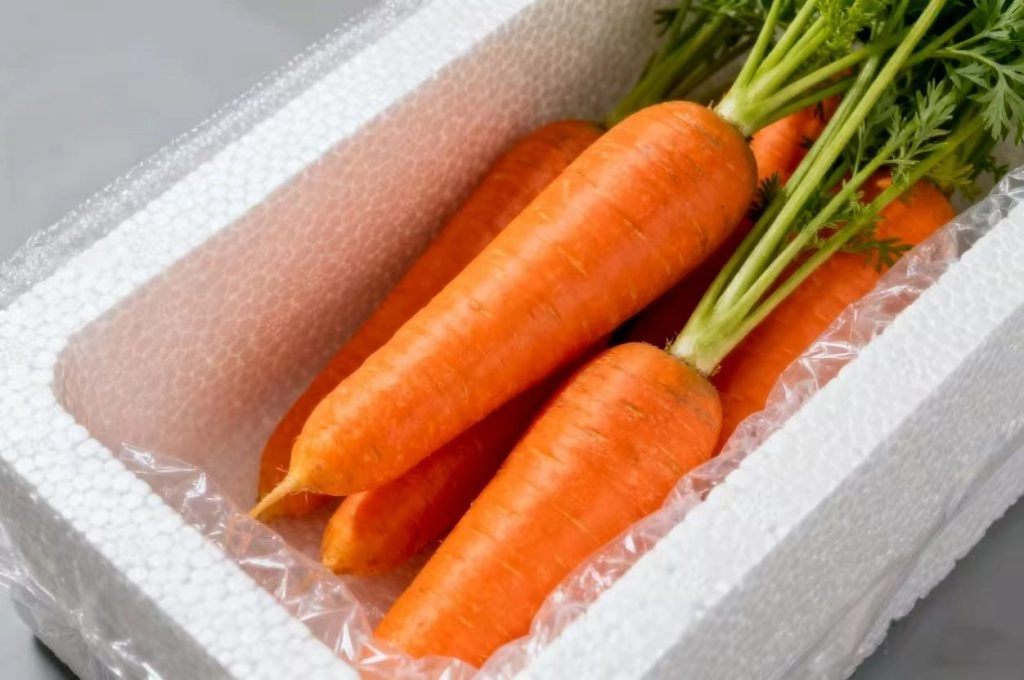
Shorter wait times and better shapes lower energy use in making rounds. This repeat process not only speeds market entry but also aids smarter raw supply use through the item life.
How Do Manufacturers Like HUASHENG Contribute to Sustainable Cold Chain Packaging?
A Closer Look at HUASHENG’s Commitment to High-Efficiency and Eco-Conscious Solutions
HUASHENG shows how makers can match tech skill with nature care. HUASHENG focuses on better expanded polystyrene items built for cold chain logistics. It mixes strength with green duty. Its items fit high-exact needs like medicine cold keeping and HACCP food transport.
With many years of work, the firm brings answers made for medicine, farm, and food fields under strict heat control. Through its own “three-circulation” making setup, HUASHENG reaches waste reuse rates over 95%. It also cuts energy use by 30%.
HUASHENG builds green thinking into item growth by giving reusable types, fire-blocking choices, and exact-shaped parts that cut waste in the supply line. Their carbon-free model factory plan aims to lower over 85% of releases across the full work chain by 2026.
Are There Viable Strategies for Making EPS Packaging More Sustainable?
Operational Practices That Enhance the Circularity of EPS Use
Work changes can greatly raise the reuse cycle of expanded polystyrene packing. Press tools at send centers can aid return reuse plans. These setups cut EPS size a lot. This makes back transport possible and money-wise.
Reuse rounds also work when packing stays clean and strong after arrival. Cold chain workers can add reusable EPS boxes into their return transport steps. This lengthens item life and cuts single-use need.
Design Approaches That Minimize Material Use Without Compromising Performance
Shape improvement serves as another strong tool. Workers can set wall thickness from heat models to lower item input while keeping blocking levels. This balances heat strength with supply saving.
Modular shapes also allow easier part split for after-use handling or reuse. By planning packing for easy take-apart, makers aid cleaner item flows for reuse or new making.
FAQs
Q: Can expanded polystyrene be reused safely in cold chain logistics?
A: Yes, if the structural integrity is maintained and contamination is avoided, EPS containers can be reused multiple times without loss in insulation performance.
Q: What distinguishes graphite flame retardant EPS from conventional grades?
A: Graphite-enhanced grades offer improved fire resistance and thermal insulation due to their infrared-reflective properties while reducing reliance on halogenated additives.
Q: How does rapid prototyping improve sustainability in packaging design?
A: It allows manufacturers to test and refine designs quickly using minimal resources, resulting in less production waste and more efficient final products tailored for specific cold chain needs.
 English
  German
  Spanish
  French
  Arabic