
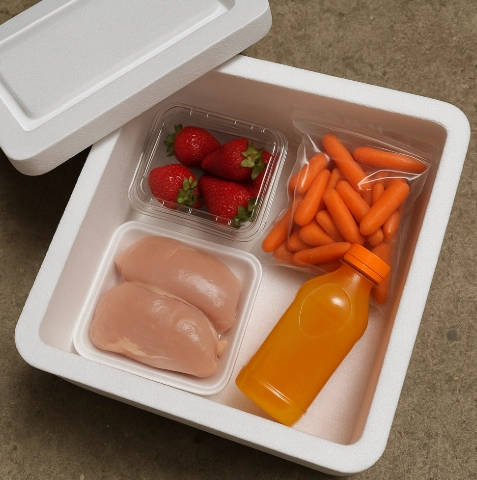
Expanded Polystyrene (EPS) and Expanded Polypropylene (EPP) are light, closed-cell foams that work in many different industries. Both can be recycled completely. EPS gives excellent heat protection, so builders and packers love it. EPP bends without breaking and absorbs hard hits, which makes it perfect for car safety parts and boxes that get used again and again. Together they help save energy and lower waste. HUASHENG keeps improving these foams with special types that resist fire, help quick model making, or stay extra light, bringing real benefits to cars, medicine, farming, planes, and many other fields.
Overview of Expanded Polystyrene (EPS) and Expanded Polypropylene (EPP) Applications
Key Characteristics of EPS and EPP
Molded EPS and EPP foams stay strong for years and can return to the factory when the job is done. These closed-cell materials stay very light while offering good toughness and easy shaping. Parts made from them last long, protect well, and go back into new products at the end of life. EPS blocks heat better than almost anything else, so it fits packaging, building walls, and cooling systems. EPP springs back after hard knocks and bends without cracking, so car makers and transport companies choose it often.
Sustainability and Lifecycle Benefits
The list of real uses for EPS and EPP is amazingly long. Both materials fit perfectly into green building plans. HUASHENG stands among the world leaders in turning old foam into new. Each year the company recycles 300,000 tons of EPS. This saves 300,000 tons of EPS annually, saving 1,500,000 tons of crude and 1,200,000 tons of carbon dioxide. Almost all factory waste goes back into production, cutting fresh plastic needs by huge amounts.
Applications in the Automotive Industry
Structural and Safety Components
Car makers have trusted molded foam parts since 1999. EPS and EPP cut many kilograms from each vehicle. Front and rear bumper cores soak up crash energy. Side protection blocks and headrest centers keep passengers safer. EPP shines here because it turns hard hits into soft stops.
Interior Vehicle Systems
Inside the car, light foam makes seats lighter and trunks cleaner. Battery boxes and tool holders stay strong without adding weight. Every saved gram helps the car use less fuel.
Transport Protection and Handling Aids
Factories move delicate parts between lines on soft foam trays. Dunnage & material handling solutions protect painted panels or glass screens so nothing gets scratched on the way to the next station.
Integration into HVAC-R Systems
Thermal Insulation Components
Cooling and heating ducts lose less energy when lined with EPS. Special fire-safe types from the Flame Retardant Grade – F keep air pipes safe inside walls and ceilings.
Structural Elements in HVAC Equipment
EPP forms strong covers for fans and pumps that must handle heat and shaking every day. Thick EPS walls around noisy compressors make rooms much quieter.
Construction Industry Applications of EPS
Building Envelope Solutions
Modern green buildings wrap themselves in EPS panels. Structural Insulated Panels (SIPs) and outside wall systems keep heat where it belongs. HUASHENG’s F-grade flame retardant EPS materials fit these jobs perfectly.
Civil Engineering Implementations
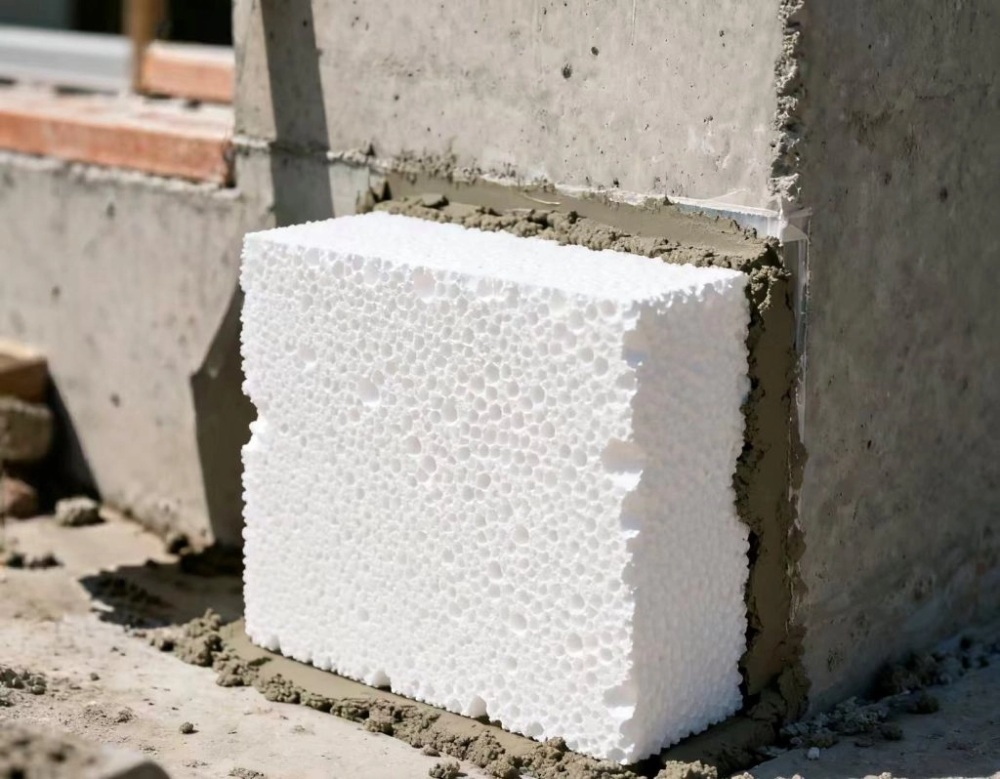
Road builders place light EPS blocks to hold back soil or raise highways over soft ground. Sports fields and running tracks sit on strong foam bases that never sink.
Interior Comfort Enhancements
Sound panels on walls cut echo less. Under-floor heating works better when EPS stops heat from going down into the ground.
Use in Medical and Pharmaceutical Sectors
Cold Chain Packaging Solutions
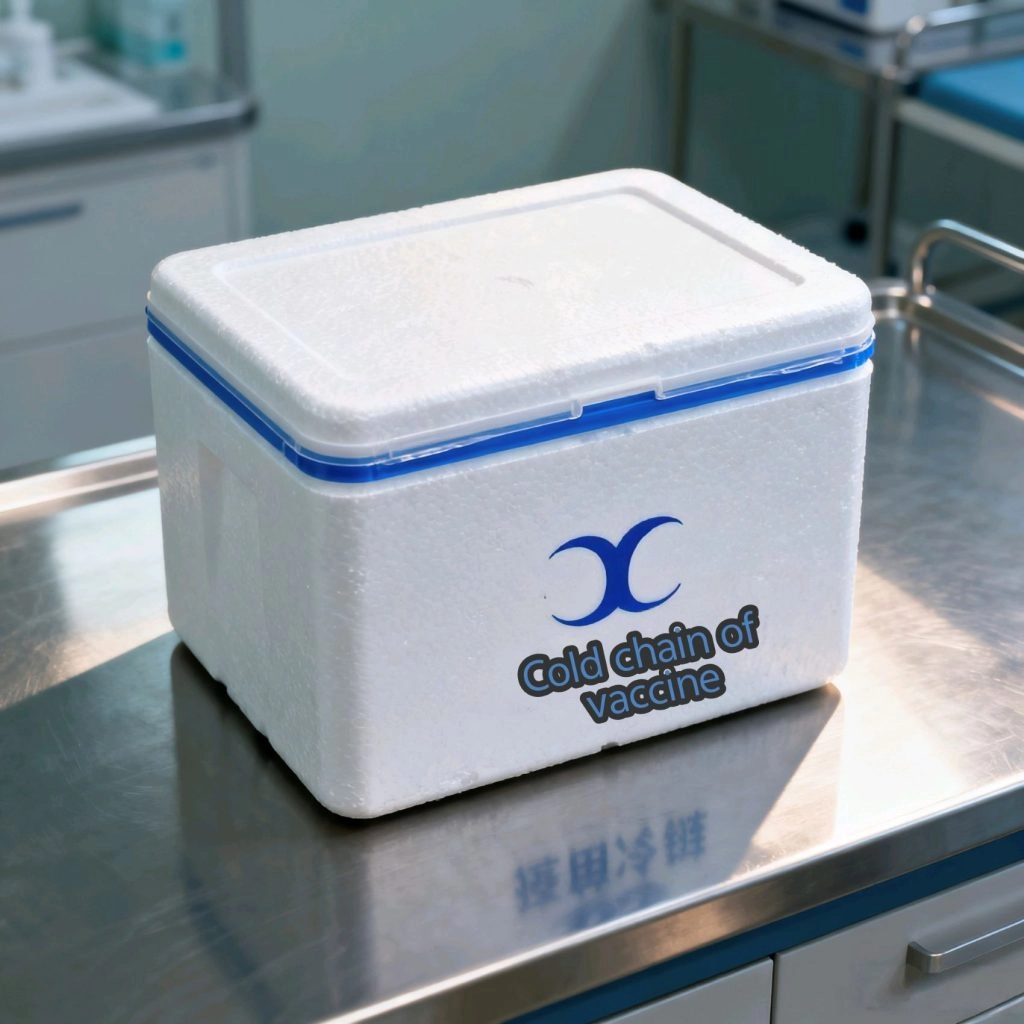
Vaccines and medicines travel inside thick EPS boxes that keep the right temperature for days. Temperature controlled packaging and insulated shipping container liners keep everything safe on long trips.
Protective Medical Device Packaging
Delicate tools arrive at hospitals without a scratch because custom EPS holders lock them in place.
Consumer Product Integration
Personal Use Items
Home chairs and baby car seats feel softer and weigh less thanks to foam cores. Extra Light Grade – P parts give comfort without extra kilos.

Recreational Equipment
Surfboards and swimming floats stay on top of water because EPP never soaks up liquid.
Packaging for Household Appliances
Protective Cushioning Solutions
Big TVs and washing machines reach stores undamaged inside shaped EPS corners. Reusable EPP boxes bring parts back to the factory many times.
Compact Appliance Packaging
Small kitchen machines sit safe inside thin but strong foam shells.
Food Industry Utilization of Foam Materials
Thermal Insulated Transport Containers
Fish, meat, and ice cream stay fresh longer inside simple white EPS boxes.
Retail Food Packaging Applications
Egg cartons and pet-food trays use thin EPS because nothing leaks through the closed cells.
Agricultural and Horticultural Uses of EPS/EPP
Plant Cultivation Aids
Young plants grow strong roots inside light EPS seed trays that keep perfect warmth.
Nursery Infrastructure Components
Greenhouse pots made of foam never get too heavy, even when full of wet soil.
Seating System Innovations Across Industries
Transportation Seating Applications
Airplane and train seats lose weight with foam bases, saving fuel on every trip.
Public Event Seating Solutions
Stadium benches built from strong EPP blocks snap together fast and last for years.
Accessibility Equipment Enhancements
Special wheelchair cushions spread body weight so sitting all day stays comfortable.
Diverse Specialized Applications Across Sectors
Aerospace & Drone Technology
Light drone bodies made of EPP fly longer on the same battery.
Marine & Water Sports Gear
Life jackets and boat fenders float high because water cannot get inside the cells.
Personal Safety & Industrial Equipment
Bike and work helmets protect heads with soft foam liners that take the force of falls.
Creative Prototyping, Model Making & Visual Displays
Industrial Design Prototyping
Designers cut and shape Rapid Prototyping Grade – B blocks by machine or by hand to test new ideas fast.
Exhibition & Display Fabrication
Giant letters and stage props stay light enough to move yet strong enough to stand tall.
FAQs
Q: What is the difference between Expanded Polystyrene (EPS) and Expanded Polypropylene (EPP)?
A: Both are light closed-cell foams, but EPS stays stiff and blocks heat better, perfect for packing and building. EPP bends and springs back after hard hits, so cars and reusable boxes love it.
Q: Which HUASHENG product grade should I choose for building insulation?
A: Choose the Flame Retardant Grade – F when fire safety matters. It keeps heat inside just as well as normal EPS.
Q: Can HUASHENG’s foam products be customized for prototyping?
A: Yes. The Rapid Prototyping Grade – B is made for fast cutting and shaping so designers can test real-size models quickly.
 English
  German
  Spanish
  French
  Arabic