
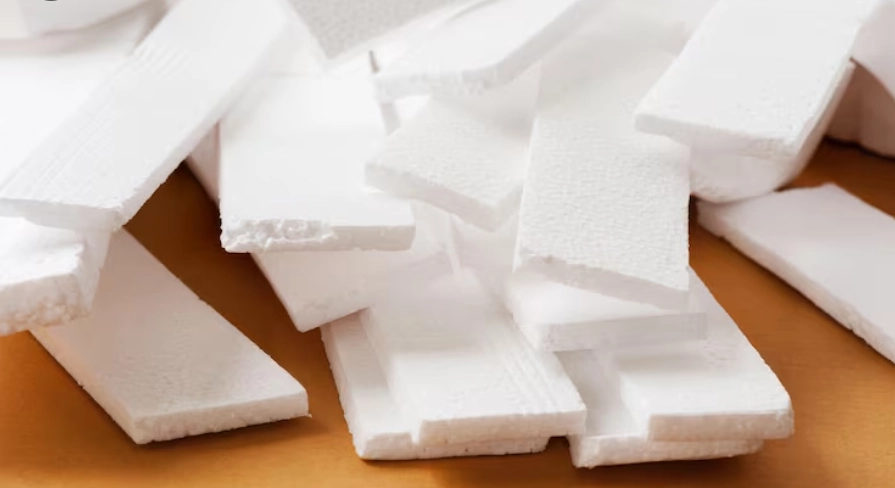
EPS structural foam gives strong insulation that can last more than 50 years if kept away from direct sunlight and too much water. The light weight and closed-cell design keep heat control steady, block moisture, and hold shape without change. Builders use it in walls, roofs, insulated concrete forms (ICFs), and underground foundations. Good setup and the right type choice help reach the longest life. HUASHENG makes better versions with carbon or fire-safe additives that work longer and support recycling programs.
The Role of EPS Structural Foam in Long-Term Building Performance
EPS structural foam is a light, closed-cell material created from expanded polystyrene beads. It brings great heat insulation, good strength, and water resistance. Builders place it in outer walls, roof layers, and as lasting insulation in ICFs or below-ground spots.
Understanding EPS Structural Foam
Composition and Manufacturing Process
EPS, or expanded polystyrene, forms a stiff closed-cell foam. Makers heat polystyrene beads with steam. The beads soften, grow bigger, and trap air inside. This process creates a very light material that blocks heat well.
Air stays locked in the small cells. That trapped air gives the foam its strong insulation power. The material works best where steady heat control is needed for many years.
Key Characteristics of EPS Structural Foam
EPS combines low weight with enough strength for building jobs. Light yet tough, it fits both support and insulation roles. Closed cells stop water from entering. Chemical makeup keeps it stable on most job sites.
Makers can add special parts to EPS. Can be engineered with additives for enhanced fire resistance or thermal performance. Graphite or fire blockers help meet safety rules or raise insulation levels.
Common Applications of EPS Structural Foam in Construction
Use in Building Envelopes
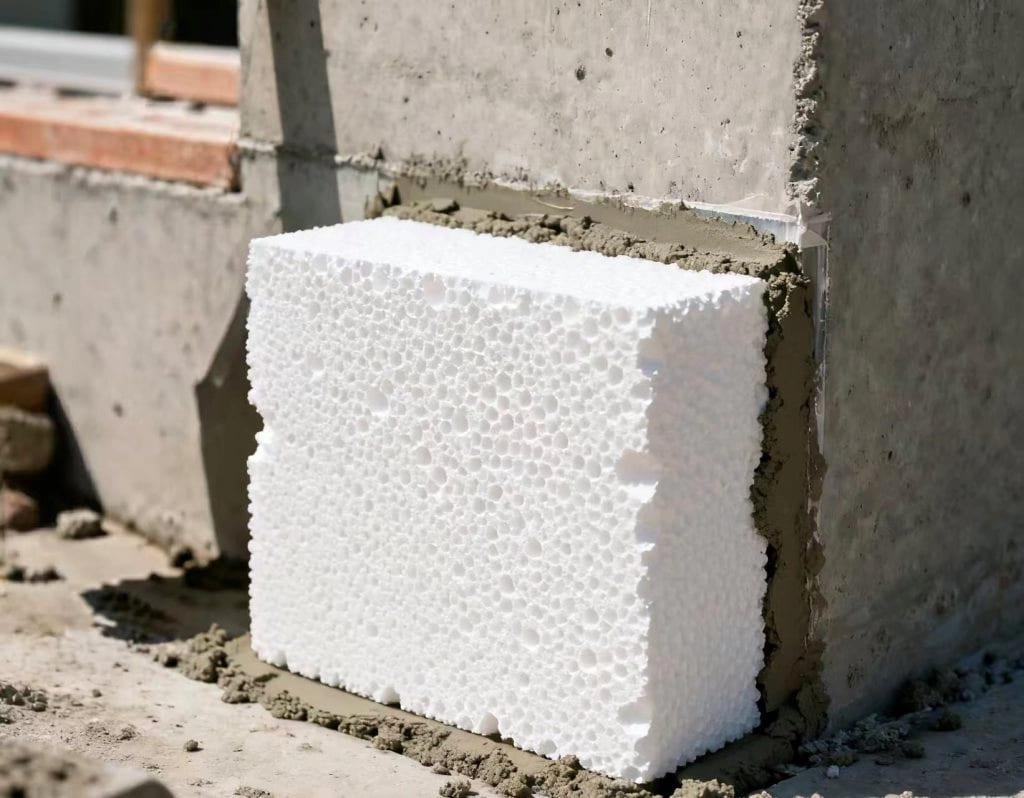
EPS helps create tight building shells. Applied in external wall insulation systems to reduce thermal bridging. It forms an unbroken heat barrier and stops cold spots.
Used in roofing systems where low weight and high compressive strength are required. Light boards cut roof load while holding firm under snow or equipment.
Role in Insulated Concrete Forms (ICFs) and Below Grade Insulation
In ICF walls, EPS does two jobs. Serves as permanent formwork and insulation in ICF wall systems. The foam stays after concrete hardens and keeps heat inside forever.
Used under slabs or foundation walls for frost protection and energy efficiency. Strong compression and water resistance make it perfect for ground contact.
Factors Influencing the Lifespan of EPS Structural Foam
Environmental Exposure Conditions
Sunlight slowly breaks down bare EPS. UV radiation can degrade unprotected EPS surfaces over time. Covering with paint or siding stops this damage.
Some chemicals harm the foam. Persistent exposure to hydrocarbons or solvents may compromise foam integrity. Keep it away from oil or strong cleaners.
Mechanical Stress and Installation Practices
Careful work during building matters a lot. Improper installation can lead to compression or puncture damage, reducing lifespan. Workers must place boards without crushing edges.
Heavy loads need the right grade. Engineers must choose the correct grade based on compressive load and expected service life. Wrong choice leads to slow sinking.
Moisture Management and Vapor Control
EPS fights water well but is not fully waterproof. While EPS is moisture-resistant, poor detailing can allow water ingress into joints or gaps. Good sealing at seams keeps everything dry.
Standing water for years can cause small changes. Below-grade installations require effective drainage design. Proper water flow protects the foam.
Typical Lifespan Across Different Use Scenarios
Exterior Wall Systems and Roof Applications
Covered EPS lasts a very long time in walls and roofs. When properly protected, EPS can maintain performance for 30–50 years or longer. Paint, siding, or membranes block sun and rain.
Subgrade and Foundation Use Cases
Underground EPS sees almost no weather. In buried environments with minimal UV exposure, lifespan may exceed 50 years with minimal degradation. Darkness and steady temperature help it stay perfect.
ICF Systems and Protected Assemblies
Concrete fully surrounds EPS in ICF walls. In fully encapsulated systems like ICFs, EPS structural foam can theoretically last indefinitely due to the absence of environmental stressors. No air, light, or water reaches the foam.
Performance Benefits Supporting Long-Term Durability
Thermal Insulation Efficiency Over Time
EPS keeps the same insulation power for decades. Closed-cell structure ensures stable R-value retention over decades when protected from moisture ingress. Heat control does not drop with age.
Resistance to Mold, Mildew, and Biological Degradation
No food exists inside EPS for mold or bugs. Inorganic composition resists microbial growth, even in humid environments. Damp basements stay clean and safe.
Dimensional Stability Under Load Conditions
Good grades hardly move under weight. High compressive strength grades are suitable for heavy-duty applications without significant creep deformation over time. Shape stays true year after year.
Selecting the Right EPS Structural Foam for Longevity Requirements
Importance of Material Grade Selection Based on Application Environment
FGE grade works best for top heat control. Enhanced thermal resistance due to carbon black additive. Perfect for walls that need steady performance.
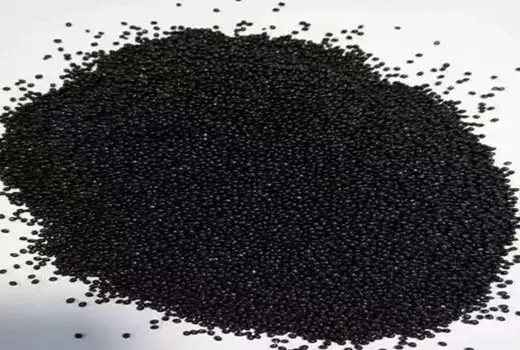
F grade meets fire rules safely. Engineered for compliance with fire safety codes without compromising insulation performance. Use it where flames worry builders.
Installation Best Practices to Maximize Lifespan
Full covering blocks sun damage. Compatible glues and seals stop chemical harm. Good drainage below ground keeps water away.
Sustainability Considerations for Long-Term Use of EPS Structural Foam
Recyclability and End-of-Life Management
EPS can return to the factory. Although bulky, EPS is 100% recyclable through densification technologies that reduce volume by up to 90%. Machines crush it small for reuse.
Circular Economy Approaches Using Recycled Polystyrene (rPS)
HUASHENG runs full recycling systems. Advanced recycling operations convert used EPS into raw material for new foam products. Old boards become new ones.
HUASHENG supports recycling initiatives through material innovation compatible with rPS feedstock. This loop cuts waste and saves resources.
FAQs
Q: How does HUASHENG’s carbon polystyrene foam maintain its performance over decades?
The FGE grade incorporates carbon black particles that enhance thermal resistance while protecting the foam from UV degradation when installed behind cladding systems.
Q: Can flame-retardant EPS foam be used below grade?
Yes. HUASHENG’s Flame Retardant Grade – F is suitable for below-grade use when properly detailed with drainage layers and waterproofing membranes.
Q: What’s the difference between regular EPS and structural-grade EPS?
Structural-grade EPS has higher compressive strength ratings and improved dimensional stability under load, making it ideal for use in ICFs or load-bearing insulation applications like under-slab systems.
 English
  German
  Spanish
  French
  Arabic