

Choosing between EPS and XPS insulation depends entirely on the specific demands of the construction job. XPS brings greater compressive strength, stronger resistance to water, and a somewhat higher starting R-value. These qualities make it perfect for underground spaces and areas that carry heavy loads. EPS, however, costs less, weighs less, and keeps steady heat-blocking ability for many years. This works especially well in walls and roofs above ground level. HUASHENG improves EPS further with special versions such as FGE for lower heat transfer and FSH for better fire safety. Builders should look at weather exposure, weight requirements, and available money before picking the material that works best.
EPS vs XPS: Understanding the Core Differences in Structure and Manufacturing
Manufacturing Processes and Material Composition
Workers create EPS insulation by heating small polystyrene beads with steam. The beads expand and stick together, forming a light and bendable product. Later, these expanded beads get molded into large blocks or custom shapes. The result shows an open-cell pattern inside the foam. On the other hand, XPS foam comes from a different method called extrusion. Liquid material gets pushed through a die, and this step produces a thicker, tougher board with closed cells throughout.
HUASHENG makes its EPS products, including FGE and FSH grades, through modern suspension polymerization. This careful process guarantees that every bead stays the same size and quality from one batch to the next. Such steady production helps builders trust the performance in every project where even thickness matters.
Structural Characteristics and Density
EPS contains many open cells, so the final board stays light and easy to bend a little. Workers can cut and fit it without much effort. Yet this open design also lowers overall strength slightly. XPS boards, by comparison, contain tiny closed cells packed tightly together. That tight arrangement gives much higher resistance to pressure and keeps air and water outside.
When a project needs lasting strength or protection against damp soil, XPS usually delivers more dependable results over many years. These basic structural differences guide most decisions about which material fits certain locations.
Thermal Insulation Performance Analysis
R-Value Comparison Under Standard Conditions
Standard EPS boards reach about 4 R-4 for each inch of thickness. The number stays reliable for ordinary walls, ceilings, and attic spaces. Many homes and small business buildings find this level completely acceptable while keeping costs low.
XPS boards start closer to R-5 per inch. That extra resistance helps when designers want to reach strict energy codes or when space for insulation remains limited.
Long-Term Thermal Efficiency in Real Environments
Although XPS begins with a stronger R-value, that number can fall slowly if water reaches the board. The gases trapped inside during manufacturing sometimes escape over time, especially in wet places. EPS, when kept reasonably dry, holds its original heat-blocking power for decades without major loss.
HUASHENG Product: FGE Low Thermal Conductivity Grade
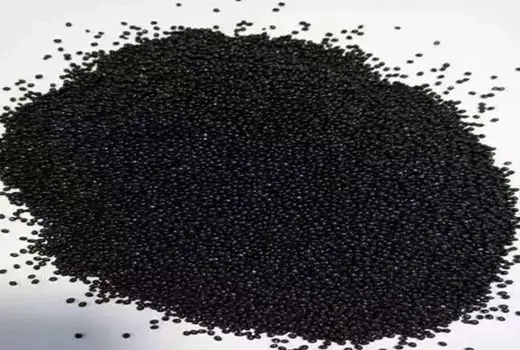
HUASHENG adds tiny carbon particles into the FGE grade. These particles trap heat better than normal white EPS, so the board blocks temperature flow more effectively. At the same time, the material stays just as light as regular EPS. Builders often choose FGE for outside walls and older buildings that receive new insulation layers, because workers can lift and place it quickly.
Moisture Resistance and Water Absorption Behavior
Water Absorption Properties in Humid Conditions
In spots that stay wet for long periods, such as below concrete slabs or beside foundations, XPS clearly wins. Its closed cells stop almost all water from entering. This quality makes XPS the common choice wherever groundwater might touch the insulation.
Regular EPS can take in some water if left uncovered. Once water gets inside, the heat-blocking ability drops. Proper waterproof covers or membranes become necessary when EPS goes into damp areas.
Performance in Freeze-Thaw Cycles and Wet Environments
Thanks to its solid closed-cell makeup, XPS keeps its shape and strength even after many freeze-thaw seasons. Cold regions and underground walls benefit from this toughness.
EPS can lose strength if water repeatedly freezes inside the open cells. Extra protection layers therefore become important whenever EPS faces possible wetness.
HUASHENG Product: FSH Flame Retardant Grade
The FSH grade from HUASHENG mixes strong fire protection with reasonable moisture control when builders place it behind proper shields. This version passes tough European fire tests, so it fits large stores, offices, and apartment buildings that must follow strict safety rules.
Mechanical Strength and Load-Bearing Capacity Comparison
Compressive Strength for Structural Applications
XPS boards handle much heavier weight before crushing. Engineers often pick XPS under floor slabs, parking areas, or green roofs where soil and vehicles press down every day.
EPS can reach higher strength when made in denser forms, yet normal grades rarely match XPS in extreme load situations.
Durability Under Repeated Load Cycles
XPS returns to its original thickness again and again, even after trucks or equipment roll over it many times. This lasting recovery suits busy floors and roadways.
EPS might stay slightly flattened after constant heavy pressure unless the project uses the highest-density type. Careful planning therefore matters when weight stays on the insulation for years.
Cost Efficiency and Material Availability Considerations
Initial Material Costs Per Unit Area
EPS usually costs noticeably less per square meter. Large houses or warehouse projects therefore save money by choosing EPS while still getting good protection against heat and cold. HUASHENG keeps prices reasonable across its different EPS grades.
XPS asks for a higher price at the beginning. The extra money sometimes pays off later through longer life in difficult places.
Lifecycle Cost Analysis Including Installation and Maintenance
Although XPS costs more to buy, its toughness can lower repair bills in wet or heavy-use spots. EPS stays the budget-friendly pick where walls and roofs stay dry and loads remain light. Faster handling and lighter weight also cut labor hours on most job sites.
Application Suitability Based on Project Type and Environmental Conditions
Residential Wall and Roof Insulation Projects
In normal weather zones and above-ground locations, HUASHENG FGE grade brings excellent warmth at lower expense. Workers move the light boards easily, even on tall scaffolds.
Below Grade, Foundation, and Slab Insulation
XPS becomes the safe choice wherever soil stays wet or heavy concrete rests directly on the insulation. Plain EPS needs thick waterproof layers if used underground.
Commercial Buildings with Fire Safety Requirements
HUASHENG FSH grade satisfies fire codes while still blocking heat well. Many modern office towers and shopping centers use it in outside wall systems that must pass strict tests.
Product Selection Guide: Matching HUASHENG Solutions to Project Needs
When to Choose HUASHENG FGE Grade
Ideal Scenarios:
- Inside walls of homes and offices;
- Flat or sloped roof layers;
- Older buildings receiving new insulation
Benefits:
- Better heat blocking thanks to carbon particles;
- Keeps exact thickness for years;
- Simple to carry and install
When to Choose HUASHENG FSH Grade
Ideal Scenarios:
- Large stores and public buildings;
- Projects that must follow European fire rules;
- Outside wall systems needing safety certificates
Benefits:
- Passes flame tests easily;
- Balances cost, weight, and moisture control
FAQs
Q: Can I use standard EPS boards below ground level?
Standard EPS should not touch soil directly unless covered by strong waterproof sheets. Otherwise, XPS or special high-density EPS works far better.
Q: What makes HUASHENG’s FGE product different from conventional white EPS?
The FGE grade contains carbon particles that lower heat flow, giving higher energy savings while staying just as light as normal white EPS.
Q: Is flame-retardant EPS like HUASHENG’s FSH suitable for exterior wall systems?
Yes. The FSH grade meets tough fire standards and still provides solid insulation, making it perfect for modern curtain walls and outside cladding where safety rules are strict.
 English
  German
  Spanish
  French
  Arabic