
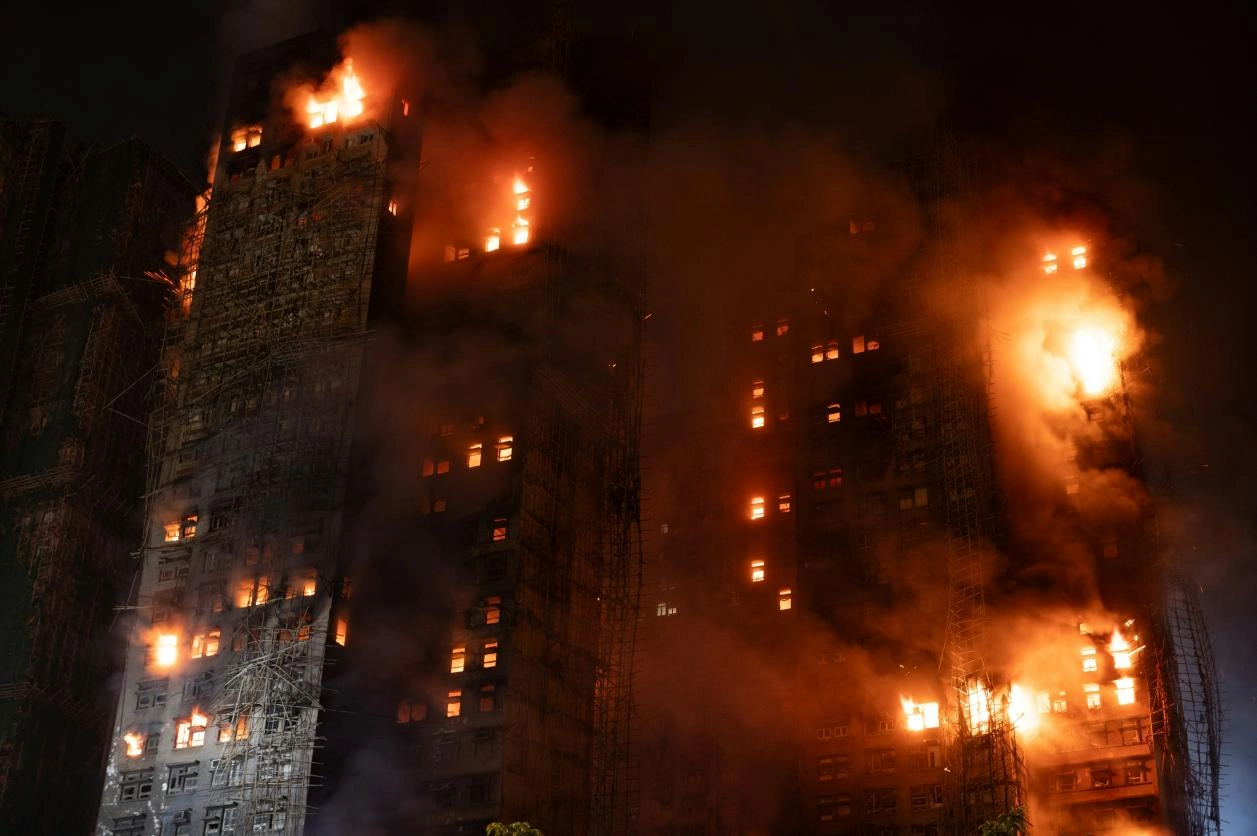
In recent years, numerous high-rise building fires around the world, coupled with increasingly stringent green regulations, have highlighted a core contradiction: can safety, energy conservation, and environmental protection be truly unified in building materials? Think about the devastating fire at Wang Fuk Court in Hong Kong in November 2025 or the frequent blazes in urban developments—these events push us to rethink insulation choices. Flame retardant EPS, particularly the FSH grade from HUASHENG, offers a way forward. It mixes polystyrene fire resistance with solid thermal traits. So, it fits well for today’s projects. Expanded polystyrene foam has been a key part in insulation for a long time. But adding flame retardant features makes a big change. Here, we’ll look into how this material handles fire safety needs. At the same time, it helps with saving energy and green ways. If you’re an architect picking materials or a builder looking for trusty options, knowing about FSH grade can make your choices easier.
The Primary Barrier: Uncompromising Fire Safety
Modern buildings pack more people and technology into tighter spaces, raising the stakes for fire risks. Materials must step up to prevent rapid spread, and that’s where flame-retardant polystyrene comes in. But how does one grade make a real difference? Let’s look closer at the challenges and solutions.
The Fire Challenges in Modern Buildings
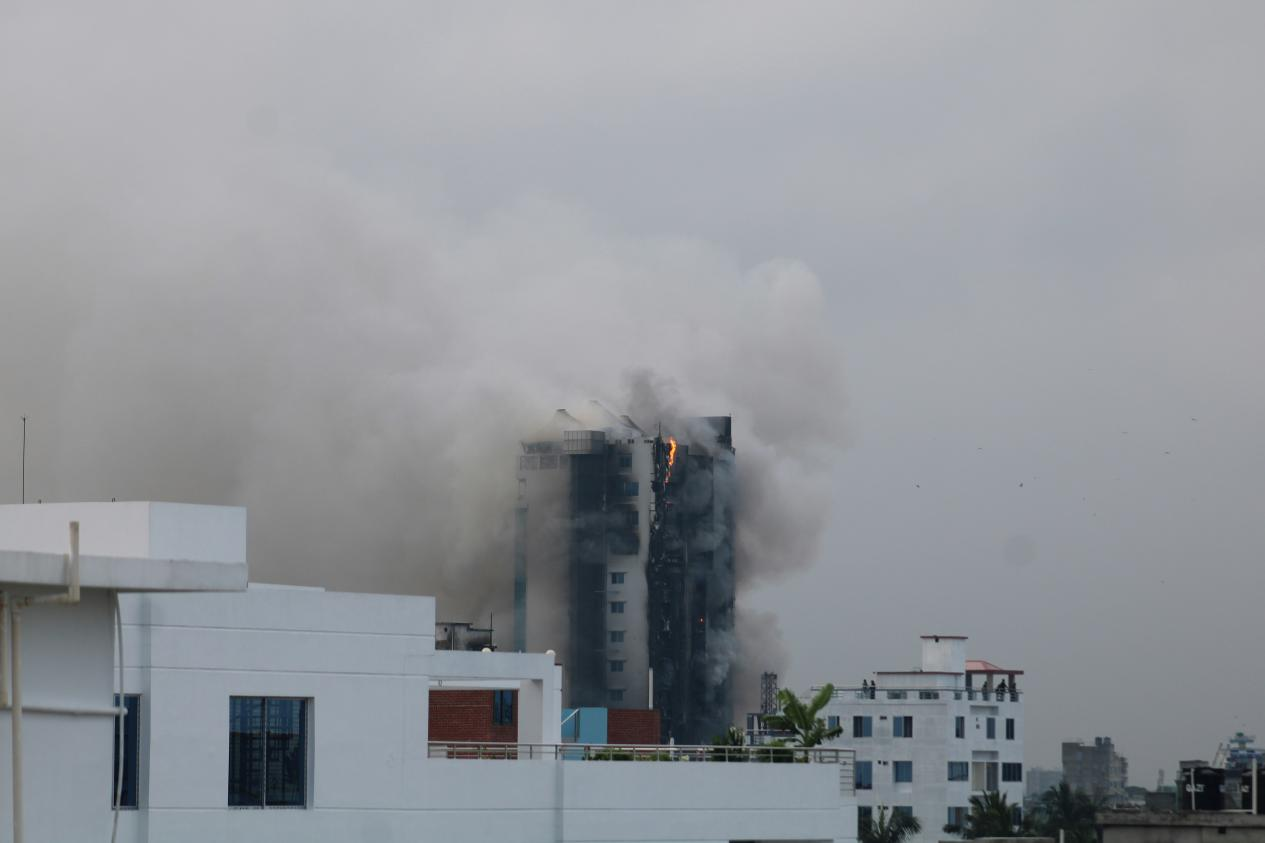
Fires in contemporary structures often start small but escalate quickly due to open layouts and synthetic materials. In 2023 alone, global reports showed over 3,500 high-rise incidents, many tied to poor insulation choices. Expanded polystyrene foam without proper treatment can contribute to this, as standard versions lack strong polystyrene fire resistance. Builders know the drill: flames can travel through walls in minutes if materials don’t hold up.
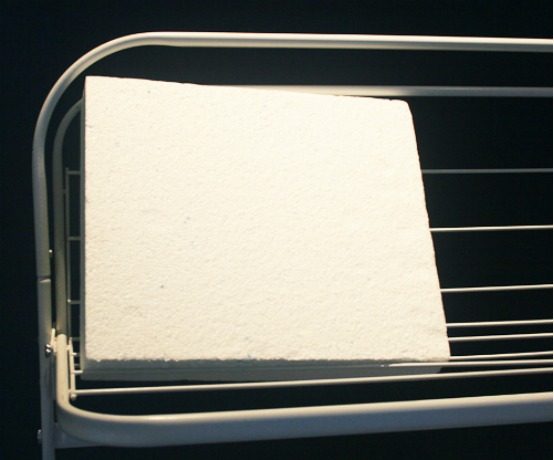
Flame retardant EPS changes that slow ignition and reduce smoke. As EPS foam manufacturers like HUASHENG point out, the key is in the beads—EPS polystyrene beads treated for fire retardancy. These beads expand into foam that resists burning, giving occupants precious time to escape. Consider a typical office tower: wiring and HVAC systems create hidden pathways for fire. Without fire retardant products, a spark turns into a disaster. FSH grade addresses this head-on, meeting real-world demands where others fall short.
With these challenges in mind, it’s clear that selecting the right material isn’t just about compliance—it’s about saving lives. Now, shifting focus to how FSH grade specifically tackles these issues, we see its design goes beyond basics to create a robust defense system. This approach not only meets codes but anticipates risks in diverse building types, from homes to commercial spaces.
How the FSH Grade Builds an Effective Fire Line
FSH grade flame retardant EPS achieves B1 combustion performance, a European standard that means it self-extinguishes quickly. Tests show it takes less time to reach this level than similar FS grades—often 20% faster in lab settings. The secret lies in its EPS polystyrene beads, which incorporate advanced retardants during manufacturing. When exposed to heat, these beads form a char layer that blocks oxygen, curbing flame spread. In practical terms, this translates to walls and roofs that hold integrity longer during fires. EPS foam insulation with this feature has been used in passive houses, where tight seals demand reliable fire-retardant products.
HUASHENG, as a leading EPS foam manufacturer, ensures uniform foaming in their process, leading to consistent performance across batches. Data from industry trials indicates FSH grade limits flame height to under 150mm in standard tests, far better than untreated expanded polystyrene foam.
Building on this foundation of effective fire resistance, it’s worth noting how FSH grade doesn’t stop at meeting minimums. Instead, it layers in extra protections that give projects an edge in unpredictable scenarios. This redundancy becomes crucial in regions with varying climates or seismic activity, where materials face added stress over time.
Exceeding Standards: Adding a Safety Redundancy
FSH grade flame retardant polystyrene exceeds B1 ratings by boosting compressive strength over 20% compared to standard grades. This means panels withstand impacts better, maintaining their fire-blocking role even after rough handling on site. Polystyrene fire resistance here includes resistance to melting at higher temperatures—up to 100°C before deformation starts. Fire retardant products like this also cut smoke production by 30% in some studies, improving visibility for evacuations. In one European project, using this grade reduced overall fire risk assessments by 15 points on standard scales. It’s not just about passing tests; it’s creating materials that perform in the chaos of real fires.
Fire safety sets the stage, but no building stands on protection alone. Efficiency in energy use drives costs down and comfort up. As we move from guarding against flames to optimizing heat flow, consider how materials like flame retardant EPS bridge these worlds seamlessly. This integration allows projects to hit multiple targets without trade-offs, appealing to developers balancing budgets and regulations.
The Efficiency Core: Crucial Thermal Performance
Energy bills climb when buildings leak heat, and insulation is the fix. But in a world demanding more from less, how does one material deliver on both warmth and resilience? Flame retardant EPS steps up here, blending traits that make it a go-to for savvy builders.

The Cornerstone of Building Energy Efficiency
At the heart of any structure’s energy profile is its ability to retain heat. EPS foam insulation excels with thermal conductivity as low as 0.032 W/m·K, trapping air in its expanded polystyrene foam structure. This keeps interiors stable, cutting heating needs by up to 40% in cold climates. For modern homes, this means lower utility costs—families save around $500 yearly on average. EPS polystyrene beads in FSH grade expand 20-40 times, creating lightweight yet effective barriers. As EPS foam manufacturers refine processes, these beads yield foam that’s easy to cut and install, speeding up construction. Global data from the International Energy Agency shows buildings account for 30% of energy use; better insulation like flame retardant polystyrene, directly trims that figure.
The Synergy Between Flame Retardancy and Insulation
Flame retardant EPS doesn’t compromise warmth for safety—the retardants integrate without bloating conductivity. In FSH grade, the foam maintains R-values around 4.0 per inch, matching or beating non-retardant versions. Polystyrene fire resistance comes from chemical additives that activate only under heat, leaving insulation properties intact daily. This means walls insulated with fire retardant products stay effective year-round. A study in the Journal of Building Physics found such materials retain 95% of thermal performance after simulated fire exposure. In practice, this synergy shines in passive buildings, where flame retardant polystyrene helps achieve near-zero energy status while meeting fire codes.
With this combined strength in play, longevity becomes the next logical step. Materials must endure to keep delivering value, and FSH grade’s design ensures it does just that over decades. This focus on durability ties back to overall project success, where initial choices pay off long-term.
Ensure Stable Energy Efficiency Throughout the Lifecycle
Buildings age, but good insulation shouldn’t. FSH grade expanded polystyrene foam resists moisture absorption—under 2% by volume—preventing mold and degradation. Over 25 years, it has held thermal efficiency with less than 5% loss, per industry benchmarks. Fast curing in manufacturing cuts production time by 15%, but for users, it means stable performance from day one. Fire retardant products here include UV stabilizers in some formulations, guarding against outdoor exposure. EPS foam insulation in roofs or facades benefits from this, maintaining R-values through seasons. HUASHENG’s process yields higher material output—up to 10% more than traditional B1 grades—translating to cost savings.
As energy demands evolve, so do calls for greener practices. Materials like flame-retardant EPS pave the way by aligning with global shifts toward low-impact building.
The Green Future: Environmental Compliance is Imperative
Sustainability isn’t a buzzword—it’s a mandate. With regulations tightening, materials must prove their eco-credentials. Flame-retardant EPS fits this mold, offering paths to certification without excess hassle.
Strict Global Green Building Standards & Regulations
Around the world, codes like LEED in the US or BREEAM in Europe demand low-emission materials. Expanded polystyrene foam meets these when produced responsibly, with volatile organic compounds under 500 µg/m³. In the EU, REACH regulations cap hazardous substances, and FSH grade complies fully. EPS foam manufacturers face scrutiny on carbon footprints—HUASHENG cuts emissions by 30% through recycled inputs. China’s GB 8624-2012 sets B1 as a baseline, but global projects push for more. A 2024 report from the World Green Building Council notes 40% of emissions come from construction; fire retardant products like this help by enabling efficient designs that reduce overall material use.
Building on these standards, the technology behind FSH grade reveals tangible eco-gains. This isn’t just about meeting rules—it’s about real benefits that ripple through supply chains and end uses, making sustainability practical for everyday projects.
Benefits of Eco-Friendly Flame Retardant Technology
Eco-friendly retardants in FSH grade flame retardant polystyrene break down harmlessly, unlike older types that persist in soil. Recycling rates hit 95% for waste in production, per HUASHENG data. This cuts landfill needs and reuses EPS polystyrene beads effectively. Energy savings extend to manufacturing: low consumption processes use 20% less steam. For users, lighter-weight densities from 12-30 kg/m³—means fewer trucks for transport, slashing fuel by 15%. Flame retardant EPS supports circular economies, as beads can be reground for new foam. In one case, a UK stadium retrofit recycled 80% of old insulation into FSH-based panels, boosting green scores.
These benefits naturally lead to certification advantages. Earning credits isn’t automatic, but with the right material, it becomes straightforward. This positions projects for incentives and market appeal, especially in competitive sectors like commercial real estate.
Earning Points for Sustainable Building Certifications
In LEED v4.1, flame-retardant EPS earns points for low-emitting materials and energy optimization—up to 10 credits possible. BREEAM awards for fire safety without environmental harm. EPS foam insulation contributes to life-cycle assessments, showing 50-year durability that minimizes replacements. HUASHENG’s ISO-certified processes add transparency, helping with audits. Projects using this grade often gain 5-7 extra points in categories like innovation.
Conclusion
The value of FSH flame-retardant EPS lies in its inherent integration capability—it efficiently integrates passive fire protection, durable insulation, and environmental compliance into one. This material from HUASHENG, a trusted name among EPS foam manufacturers, stands ready for the complexities of today’s builds. Whether tackling urban high-rises or ECO-conscious homes, it delivers on promises without forcing compromises.
If you are planning a project, contact HUASHENG at info@r-eps.com to get a customized solution. Our team of experts has specialized knowledge in flame-retardant EPS and expanded polystyrene foam, ensuring you receive the most suitable solution.
 English
  German
  Spanish
  French
  Arabic