
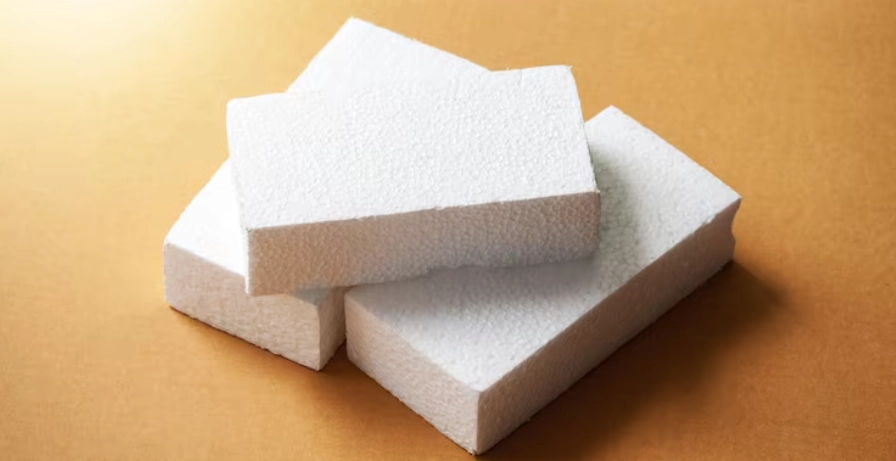
Choosing the right foam board means looking closely at what each project really needs. EPS foam gives good value and works well for normal insulation, packing boxes, and school crafts, yet water can pass through it more easily. XPS foam brings much higher strength and blocks moisture better, so it fits places that stay wet or carry weight. Foam core boards stay light and smooth and cheap, perfect for signs and pictures. Buyers must think about money limits, weather conditions, and how long the board must last. When the job needs strong support under heavy load or in wet areas, XPS products such as REPS become the safe choice. For lighter jobs that still need good heat blocking, graphite-added EPS like Special Grade G works nicely. The final pick should match real use, expected life, and budget in a smart way.
Understanding Foam Board and Its Applications
What Is Foam Board?
Foam board, sometimes called foam core or display board, stays light but stiff. Workers and artists use it in many different jobs. The middle part is soft foam, usually polystyrene or polyurethane. Two harder sheets cover both sides, often paper or thin plastic. This simple sandwich design creates a board that holds its shape yet cuts easily with a knife.
Because of this build, the material stays strong enough to stand alone and soft enough to shape quickly change shape. People can paint it, glue things on it, print pictures directly, or cut fancy patterns without special machines. These features make foam board popular in factories, schools, and art studios.
Common Applications Across Industries
Foam board appears almost everywhere because it costs little and weighs almost nothing.
In building work, builders place thick foam boards inside walls, under roofs, or around foundations to keep heat inside houses. EPS and XPS types stop cold and heat from moving through walls.
Packing teams wrap breakable items in soft foam pieces so nothing breaks during long trips.
Sign shops and museums love smooth foam core boards. Workers print bright pictures or letters on the flat surface for shows, shops, and school projects.
Home crafters cut and glue foam boards into models, holiday decorations, or photo backdrops because normal scissors and school glue work perfectly.
Overview of Primary Foam Board Types
Expanded Polystyrene Foam (EPS)
EPS starts as tiny beads that grow big when heated with steam. Millions of little air pockets get trapped inside each bead. This trapped air blocks heat and keeps the board very light.
The closed tiny cells give good protection against temperature changes and allow the board to carry some weight without breaking. Builders often place EPS inside wall panels that must hold up a house.
Common uses include house insulation, protective corners inside boxes, and school science projects. The low price and easy cutting make EPS the first choice for many everyday jobs. However, water can slowly enter the board, and strong sunlight makes it turn yellow and weak.
Extruded Polystyrene Foam (XPS)
XPS forms differently. Hot plastic gets pushed through a narrow slot and cools into one solid sheet. No beads mean no weak spots between beads.
This solid sheet feels harder and heavier than EPS. Water almost never gets inside, and the board can carry much heavier loads. Builders place XPS under concrete floors, outside walls or anywhere water might touch.
Foam Core Boards for Lightweight Applications
Foam core keeps the middle foam thin and covers both sides with smooth paper or plastic film. The whole board stays very light and flat.
Sign makers and picture framers choose foam core because prints stick perfectly and the board never warps. Hobby model builders cut tiny windows and doors without crushing the foam. These boards work best inside dry rooms because rain quickly ruins the paper cover.
Comparing Performance Characteristics of Different Foam Boards
Differences in Manufacturing Processes
EPS grows from small round beads, so tiny gaps stay between each bead. XPS comes out as one smooth solid blocks without any gaps. This small difference changes everything about strength and water protection.
Density and Structural Strength Comparison
EPS stays soft and light, easy to carry but softer under heavy weight. XPS feels firm and heavy, ready to support floors and roofs without bending.
Moisture Resistance Capabilities
EPS lets some water pass slowly pass through over many years. XPS blocks almost all water even after decades underground.
Cost Efficiency vs Long-Term Value
EPS costs less today and works fine for dry indoor jobs. XPS costs more at the start but lasts longer in wet or heavy places, so the extra money often pays back later.
Selecting the Right Foam Board Based on Project Requirements
Determining the Intended Use Case
First decide exactly where the board will live. Indoor signs and school projects need only smooth cheap foam core. House walls and roofs need real insulation, so EPS or XPS becomes necessary. Wet basements and outside walls always need XPS.
Balancing Budget Constraints with Performance Needs
When money stays tight and the place stays dry, EPS gives good results without spending too much. When water or heavy weight appears, XPS saves repair costs later.
Ease of Processing and Finishing Considerations
EPS cuts like soft bread with a normal knife and almost never flakes. XPS needs sharper blades but gives clean straight edges perfect for visible finished work.
Environmental Factors That Influence Material Choice
Check if sun, rain, or ground water will touch the board. Strong sunshine and wet soil destroy normal EPS quickly, while XPS keeps working for decades in the same places.
HUASHENG Product Recommendations Based on Application Scenarios
For High-Demand Structural Insulation Projects
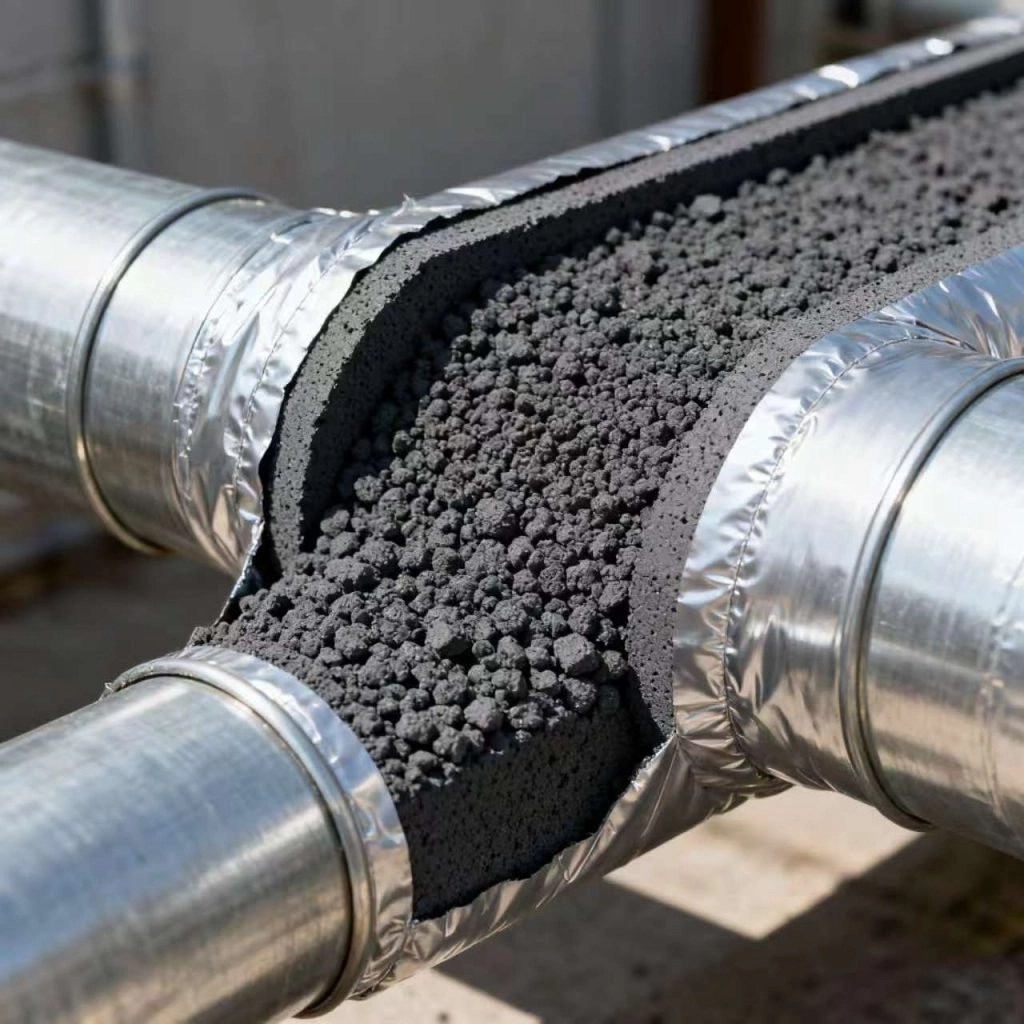
Extrusion Customized REPS is recommended and its features are as follows:
- True XPS material made to exact size;
- Very high strength under heavy weight;
- Almost no water enters even after years;
- Perfect under floors, behind outside walls, and on roofs.
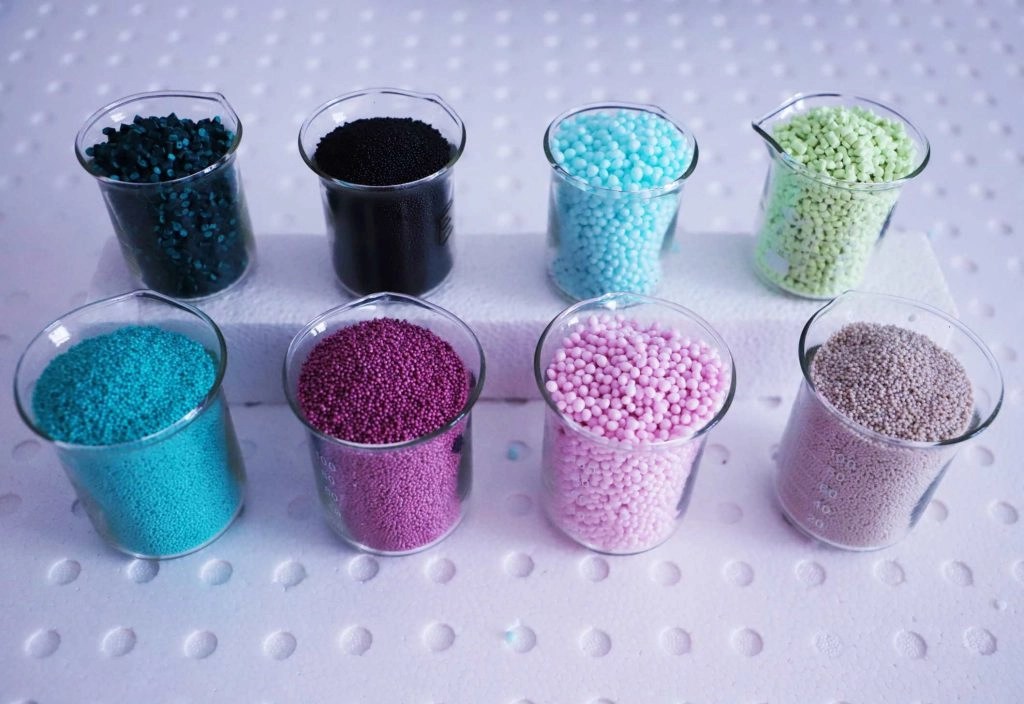
For Lightweight Thermal Applications with Enhanced Efficiency
Special Grade (Filling Material) – G is recommended and its features are as follows:
- Normal EPS mixed with tiny graphite particles;
- Blocks heat much better than plain EPS;
- Still very light for easy handling;
- Great inside dry walls or between floors where weight matters.
FAQs
Q1: What is the primary difference between HUASHENG’s REPS and traditional EPS foam boards?
A1: HUASHENG’s REPS belongs to the XPS family. It has higher weight per cube, stronger resistance to pressure, and almost perfect water blocking compared with normal bead-made EPS boards.
Q2: Can Special Grade G be used in humid environments?
A2: Special Grade G keeps the normal water limits of EPS even with graphite added. In wet rooms or outside, REPS stays the safer long-term choice.
Q3: How do I choose between REPS and Special Grade G if both offer insulation benefits?
A3: Pick REPS when the board must carry weight or fight water, such as outside walls or under concrete. Choose Special Grade G when the job stays dry and every saved kilogram counts, such as inside partitions or ceiling fill.
 English
  German
  Spanish
  French
  Arabic