
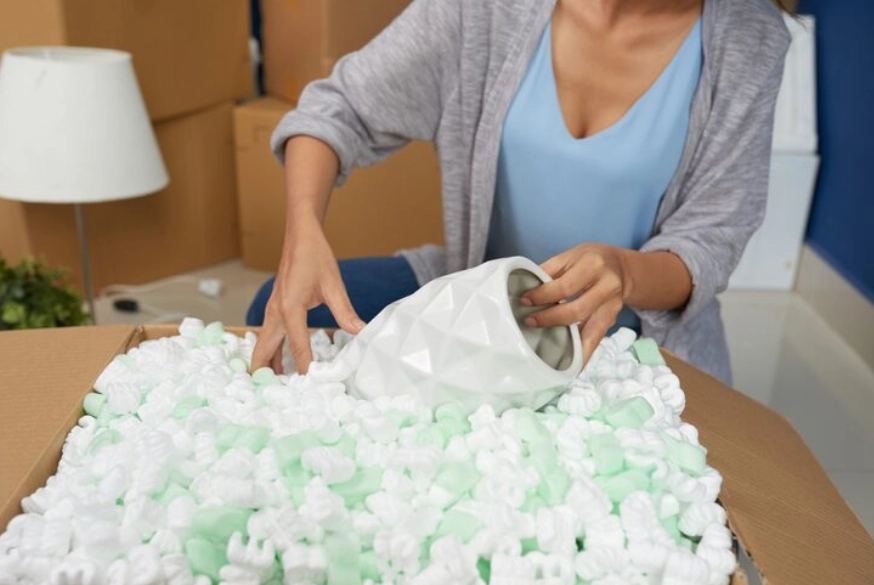
Picking the correct packaging foam decides whether products reach customers in perfect shape. Different materials protect in different ways. Polyurethane (PU) stays soft and gentle for fragile pieces. Polystyrene (EPS) stays light and stiff at low cost. Polyethylene (PE) and cross-linked polyethylene (XLPE) block water and handle heavy items well. Buyers must think about how easily the product can break, how much it weighs, the weather during shipping, and the need for special shapes. Electronics need anti-static PE or XLPE. Paintings and statues need gentle PU that never scratches. HUASHENG supplies Standard Grade – E for everyday safe packing and Rapid Prototyping Grade – B when custom shapes must be ready in days. Good choices keep goods safe and control shipping costs at the same time.
Understanding Packaging Foam and Its Functional Role
Definition and Protective Functions of Packaging Foam
Packaging foam is a soft, strong material made to guard items while boxes travel or sit in storage. Every package gets shaken, dropped, or pressed at some point on the road. Without proper cushion, breakable goods arrive cracked or broken. Foam stops that damage. It comes in sheets, blocks, or exact custom shapes. The material stays light yet tough and soaks up hard hits so the product inside feels almost nothing.
Common Materials Used in Packaging Foam
Four main kinds of plastic turn into packaging foam. Each type brings its own strong points. PU feels soft and springy, perfect for gentle touch. EPS stays stiff and cheap while keeping weight low. PE fights water and chemicals very strong chemicals. EPE and XLPE add extra toughness against bumps and long-term pressure.
Forms and Customization Options
Factories cut or mold the foam into almost any shape needed. Simple flat sheets protect flat screens. Deep carved inserts hold odd-shaped tools so nothing moves inside the box. Computer-controlled machines create exact pockets that match every item sits perfectly still during the whole trip.
Key Types of Packaging Foam Materials
Polyurethane (PU) Foam Characteristics and Applications
PU foam comes in many softness levels. Workers can pour it into molds or cut big blocks. The surface stays gentle and bouncy. This makes PU the top choice for glass cups, ceramic plates, painted statues, and anything that scratches easily.
Polystyrene (EPS) Foam Properties and Use Cases
Polystyrene is also known as EPS (expanded polystyrene). It stays very light and hard at the same time. Factories shape it cheaply into corner guards or full box liners. TVs, kitchen machines, and medical tools often travel inside EPS because it costs little and holds shape well.
Polyethylene (PE) Foam Performance Attributes
PE foam bends without breaking and never lets water inside its tiny closed cells. It also keeps heat and cold from moving fast. Car makers and computer factories choose PE when parts must stay dry and clean.
Expanded / Cross-linked Polyethylene (EPE / XLPE) Foam Benefits
EPE is light and bouncy. XLPE is stronger and lasts longer. Both fight water, oil, and sunshine. Heavy machine parts and outdoor tools travel safely inside these foams for months if needed.
Industry Applications of Packaging Foam Solutions
Electronics Protection Solutions
Computer chips and big screens hate static electricity and hard knocks. Custom anti-static PE or XLPE inserts hold every piece steady and drain away dangerous sparks.
Medical Equipment Shipping Requirements
Hospital tools and lab machines must arrive perfectly clean and dry. PE and EPE foams never grow mold and block wet air, so expensive medical items stay safe.
Automotive Parts & Industrial Components Handling
Engine blocks and metal gears weigh a lot and shake hard on trucks. Thick XLPE layers soak up the vibration so metal parts never hit each other.
Artworks, Furniture & Fragile Decorative Items Protection
Paintings, mirrors, and wooden statues need gentle touch only. Soft PU wraps each corner and face so no scratches appear even after long trips.
Multi-Purpose & Custom Packaging Needs
Camera makers, watch brands, and gift companies order special foam layouts. Each small lens or bottle gets its own perfect pocket.
HUASHENG supplies Standard Grade – E for normal daily packing jobs. When new products launch fast, Rapid Prototyping Grade – B ships custom inserts in just days.
Advantages of Using Foam in Protective Packaging Design
Shock Absorption and Vibration Control Capabilities
Foam turns hard bumps into gentle waves. The energy spreads inside the foam instead of reaching the product.
High Degree of Customizability for Product Fitment
Modern machines cut foam to match every curve and corner. No empty space stays inside the box, so nothing can slide or turn.
Lightweight Nature Reducing Shipping Costs
Heavy packing raises postage prices. Light foam keeps total weight low and saves money on every shipment.
Environmental Resistance Features
Closed-cell PE and XLPE stop water, dust, oil, and sunshine. Products stay clean and dry even in rainy seasons or hot warehouses.
Enhanced Security for Sensitive Goods
Anti-static foam plus exact-fit pockets give double safety to costly electronics and lab tools.
Rapid Prototyping Grade – B of HUASHENG is recommended when design complexity or rapid delivery timelines are essential for these sensitive applications.
How to Select the Right Packing Foam Material for Your Application
Evaluating Product Fragility, Weight & Shape Compatibility
Light and delicate items do well in soft PU. Heavy and odd-shaped parts need strong XLPE that will not flatten.
Assessing Environmental Exposure During Transport/Storage
Wet routes or long sea trips need water-proof PE or XLPE. Dry short trips can use cheaper PU or EPS.
Determining Required Protection Type Based on Risk Profile
| Risk Type | Recommended Foam Type |
|---|---|
| Shock/Impact | EPE / XLPE |
| Moisture | PE / XLPE |
| Static | Anti-static PE |
| Scratching | Soft PU |
Considering Form Factor & Customization Demands
Standard Grade – E works when time is normal and shapes are simple. Rapid Prototyping Grade – B wins when new designs must ship next week.
Balancing Performance Against Budget Constraints
Higher price foams last many trips and save money long-term. Lower price foams fit one-time or light jobs perfectly.
FAQs
Q: What type of foam should I use for delicate electronic components?
A: Closed-cell PE or XLPE with anti-static treatment gives the safest ride. HUASHENG’s Standard Grade – E delivers steady protection for most electronic items.
Q: How do I choose between Standard Grade – E and Rapid Prototyping Grade – B?
A: Pick Standard Grade – E for regular products and normal lead times. Choose Rapid Prototyping Grade – B when custom shapes are needed very quickly without losing quality.
Q: Is packaging foam reusable or recyclable?
A: Strong PE and XLPE foams survive many trips if kept clean. Many areas accept them for recycling. Always check the HUASHENG data sheet for exact reuse and recycling rules in each country.
 English
  German
  Spanish
  French
  Arabic