
 The eps panel manufacturing process starts when tiny polystyrene beads get hot steam and puff up big. After that, they rest for a while so everything inside settles down. Next, workers put these fluffy beads into large molds, add more steam and gentle pressure, and the beads stick together to make solid blocks. Once the blocks cool off, machines cut them neatly with hot wires or smart computers. Some panels also get special coatings or helpful mixes like fire-safe chemicals or graphite added early on. In the end, everything gets wrapped up and shipped out for house walls, safe packing boxes, or light building jobs.
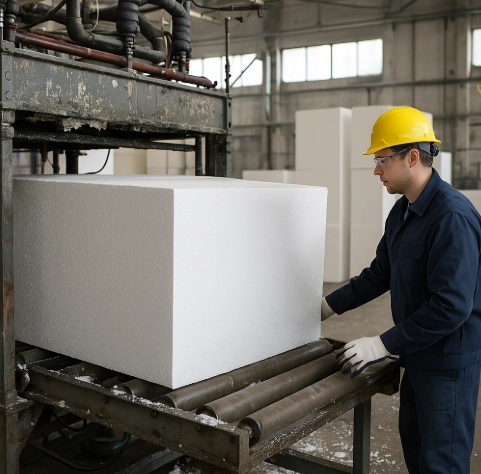 The eps panel manufacturing process starts when tiny polystyrene beads get hot steam and puff up big. After that, they rest for a while so everything inside settles down. Next, workers put these fluffy beads into large molds, add more steam and gentle pressure, and the beads stick together to make solid blocks. Once the blocks cool off, machines cut them neatly with hot wires or smart computers. Some panels also get special coatings or helpful mixes like fire-safe chemicals or graphite added early on. In the end, everything gets wrapped up and shipped out for house walls, safe packing boxes, or light building jobs.
Understanding EPS and Its Role in Modern Manufacturing
Defining Expanded Polystyrene (EPS)
Expanded Polystyrene, commonly called EPS, is a light but sturdy foam built from small round beads that have already been puffed up once. People everywhere know it keeps heat where it should stay, holds weight without breaking, and can be shaped into almost anything. That is why it plays such a big role in today’s factories and building sites.
Most packing boxes and house insulation start as little plastic beads, and then they grow into the soft white blocks we see every day.
Key Properties of EPS Materials
EPS blocks heat from moving through it better than many other choices, so rooms stay warm in winter and cool in summer. It can carry heavy things without squashing flat, and it never changes size even when the weather swings hot or cold. Water hardly gets inside, and mold or bugs cannot hurt it. Because of all this, EPS lasts for years no matter where you put it.
Raw Materials and Chemical Composition of EPS
The Base Material: Polystyrene Beads
Everything begins with tiny round polystyrene beads. Makers create them from a liquid called styrene that comes from oil. Inside every bead sits a special gas called pentane, and that gas is what lets the beads grow huge when heat arrives.
Role of Blowing Agents in EPS Production
The blowing agent, usually pentane, waits quietly inside each bead. When steam touches the beads, the gas quickly turns into vapor and pushes the plastic walls outward. In just moments, one small bead turns into a soft puff that is forty or fifty times bigger. This simple trick creates the light, bubbly foam we use for panels.
Core Steps in the EPS Panel Manufacturing Process
Pre-expansion of Polystyrene Beads
Workers pour raw beads into a large tank, and then they let gentle steam flow around them. The heat wakes up the pentane, so the beads swell fast into fluffy “prepuff.” They grow a lot yet stay super light. Getting the steam temperature and time just right matters a ton, because that decides how thick or thin the final panel will feel.
Intermediate Aging and Stabilization Phase
Right after puffing up, the warm prepuff goes into big bags or open rooms to rest. For six to twenty-four hours, fresh air slowly slips into every tiny bubble, and the pressure inside and outside becomes equal. Because of this rest time, the beads later slide into molds easily and give smooth, even blocks.
Block Molding Process for Panel Formation
The rested beads now travel into huge metal molds that close tight. Fresh steam comes again, but this time with careful pressure. The outside of each bead gets soft and sticky, so they grab their neighbors and melt together. Soon a strong, solid block fills the whole mold. Workers watch the heat and pressure closely, because good control means every inch of the block stays equally tough.
Cutting and Shaping into Final Product Dimensions
Cutting Techniques Employed in EPS Panel Production
After the block cools and hardens, it moves to the cutting station. Thin hot wires glide through like a warm knife in butter and make perfect flat panels. For special shapes, computer machines guide the wires or sharp blades. Every piece ends up exactly the size the customer needs.
Surface Treatment Options for Enhanced Performance
Some panels get shiny foil or fire-proof sheets glued on top, while others receive special paint that fights sun damage. These extra layers help the panels work longer and better in hard places.
Integration of Additives During Manufacturing for Enhanced Functionality
Flame Retardants and Thermal Enhancers in EPS Panels
Makers can mix useful stuff right into the beads from the very start. Tiny graphite bits, for example, send heat away and slow down fire. HUASHENG uses a clean, green method in its FGH-N-HBCD grade material, so flames stay away without hurting the planet.
Customization Through Densifiers, Colorants, and Stabilizers
Black color comes from carbon powder. HUASHENG adds it to Black Polystyrene FGE so the foam stands strong under bright sun. When a job needs harder panels, workers simply use more beads or change the steam time. Little helpers called stabilizers keep everything perfect for many years.
Influence of Manufacturing Parameters on Final Product Quality
Control Variables During Pre-expansion Phase
Steam heat, how long it runs, and even how damp the beads are – all these small things change the final panel. They decide if every tiny cell ends up the same size, and even cells mean steady warmth and strength later on.
Molding Conditions Affecting Structural Integrity
Heat inside the mold must reach every corner the same way, otherwise the block can twist or shrink when it cools. Slow, even cooling keeps each panel straight and strong for a long time.
Applications Across Industries Using HUASHENG EPS Panels
Building Insulation Systems Using Graphite-enhanced EPS Panels
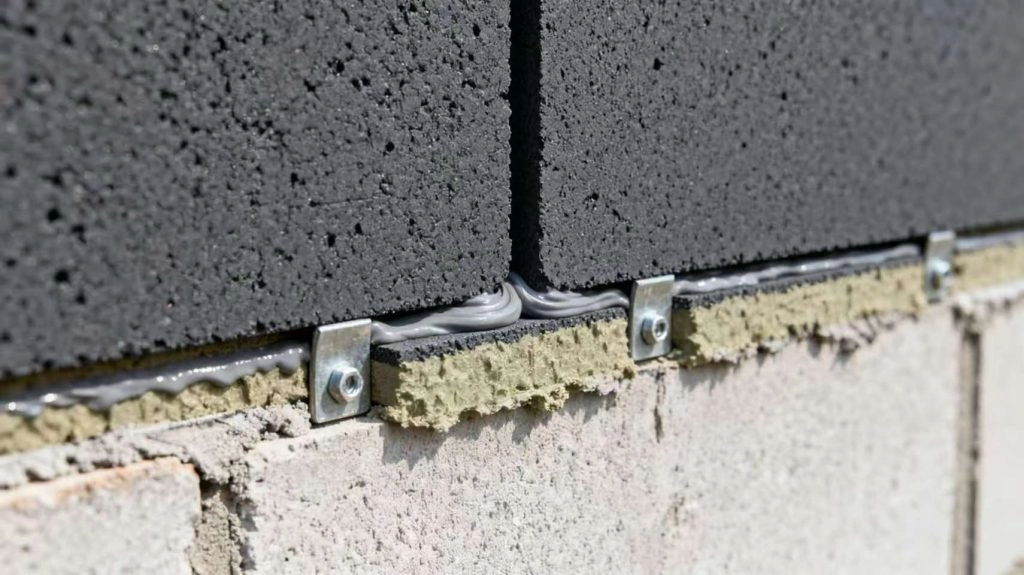
HUASHENG FGH-N-HBCD panels cover outside walls and keep houses cozy while saving power. Because they are safe and kind to nature, big green building projects choose them again and again.
Packaging Solutions Using Lightweight Black EPS Foam
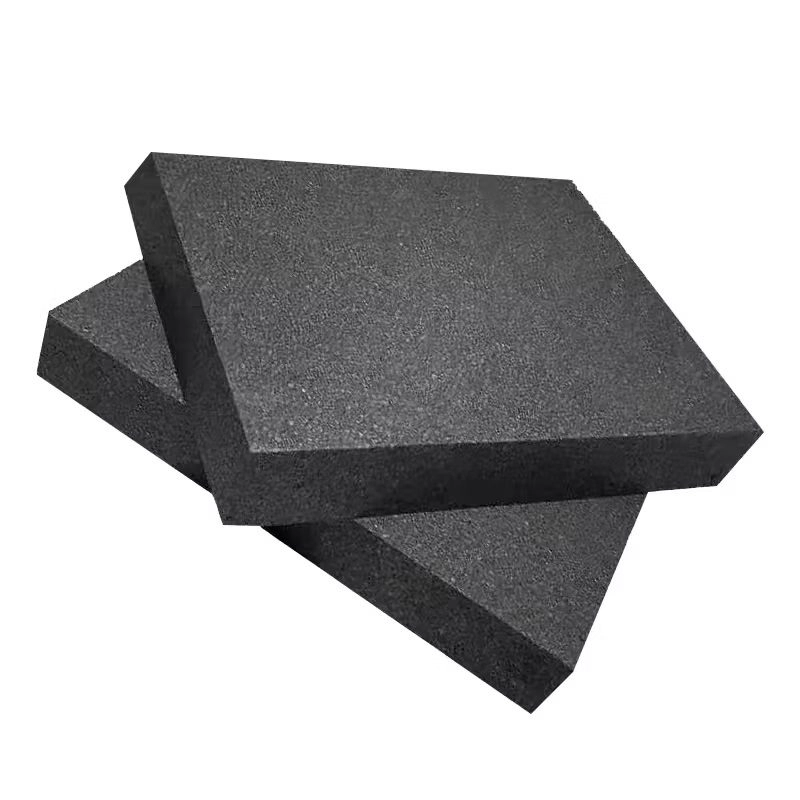
Black Polystyrene FGE looks sharp and fights sun rays. Companies pack TVs, car parts, and expensive tools inside it. The dark foam guards against bumps and stays nice even after sitting outside.
Infrastructure Filling and Lightweight Construction Applications
Road crews place low-weight EPS blocks under highways and bridges. The ground feels less pressure, yet the foam holds everything up for decades without trouble.
Advantages That Make EPS Panels a Preferred Choice
Material Performance Benefits
EPS costs less than many other insulators, but it still keeps heat in or out just as well. Workers lift and place it easily because it weighs so little. Once it is up, it stays tough through rain, sun, or snow.
Environmental Considerations in Modern EPS Production
Old EPS can turn into fresh EPS again and again. Making it does not use much power. HUASHENG keeps finding more eco-friendly ways to be gentle on the earth while giving customers great panels.
FAQs
Q: What makes HUASHENG’s Graphite Flame Retardant Grade – FGH-N-HBCD suitable for green buildings?
It uses safe, halogen-free fire protection and blocks heat extra well, so houses save energy and stay safe at the same time.
Q: How does Black Polystyrene FGE improve performance compared to standard white EPS?
The black color stops harmful sun rays and grabs heat better, so it works great outside or anywhere that gets hot.
Q: Can the density of HUASHENG’s EPS panels be customized during production?
Yes. By changing steam time and bead amounts, HUASHENG makes light panels for boxes or heavy ones for walls – whatever the job asks for.
 English
  German
  Spanish
  French
  Arabic