
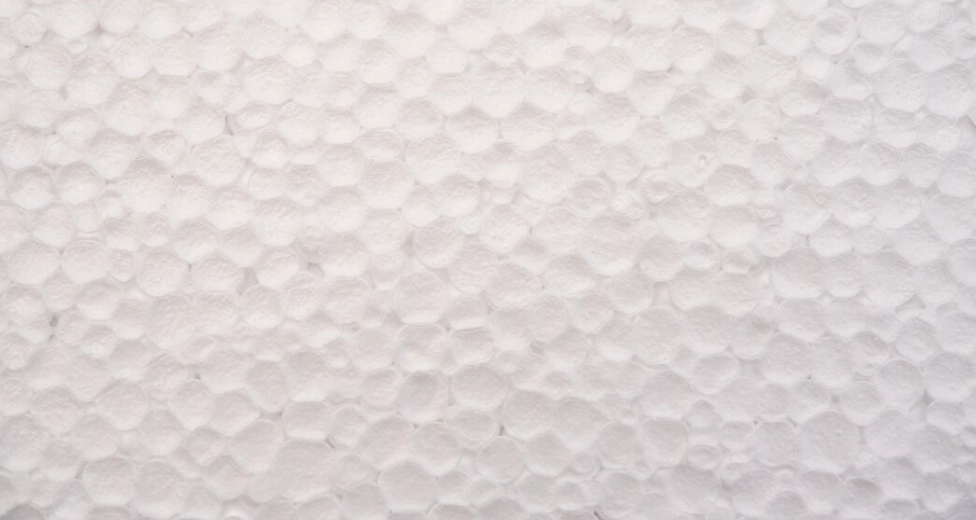
Expanded Polystyrene (EPS) foam is a very light, oil-based plastic used a lot in packing and food containers. It brings serious worries for nature and people’s health. It never breaks down naturally. It turns into tiny plastic bits that stay forever. It is very hard and costly to recycle. It also holds styrene, a chemical that might cause cancer, and this chemical can move into food and drinks. Because of these problems, many places and big companies are banning EPS foam. They are moving to better choices like molded paper pulp and cardboard. Some companies, such as HUASHENG , still use EPS foam only in special cases where nothing else works as well. Yet the big trend is to use less of it through daily choices, greener materials, and pushing for new laws.
Understanding Expanded Polystyrene (EPS) Foam
Technical Definition and Material Composition
Expanded polystyrene (EPS) is a light material. Workers make it by blowing gas into small polystyrene beads. Then they put the beads into molds to form hard items. People use these items most often for packing, building, and serving food. EPS comes from styrene, a substance taken from oil. Makers turn styrene into long chains to create polystyrene resin. They add different chemicals and colors. These extras include fire blockers, dyes, and softeners. The extras help EPS do its job better, but they also make it harder to handle when it becomes waste.
Common Misconceptions and Commercial Naming
Many people call EPS foam “Styrofoam.” Styrofoam is actually a brand name owned by DuPont for one kind of EPS. This wrong name causes a lot of confusion. People also mix up EPS with extruded polystyrene (XPS). Because of these mistakes, cities have trouble sorting waste correctly. Public teaching about recycling gets harder too.
Environmental Challenges Associated with EPS Foam Use
Persistence in the Environment Due to Non-Biodegradability
EPS foam does not rot away. No plastic truly disappears in nature. Instead, it only breaks into smaller pieces. Sun, wind, and waves turn it into microplastics. Those tiny bits can last hundreds of years. In the sea, sunlight and moving water quickly split EPS. Fish and sea animals eat the pieces because they look like food. The animals cannot digest plastic. It fills their stomachs, and many starve. On top of that, the chemicals inside the plastic poison them over time.
High Propensity for Becoming Litter and Pollution
EPS foam turns into trash very easily. It is light and breaks apart without effort. Wind carries the pieces from streets into rivers and oceans through storm drains. Once it is in small bits, nobody can pick it all up. Cleaning crews spend a lot of money, but most pieces stay in the environment forever. This problem is worse near beaches and lakes.
Limitations in Recycling Infrastructure and Economic Viability
People can recycle EPS in theory, but almost nobody does it in real life. It costs too much money. The foam takes up huge space yet weighs almost nothing. Trucks cannot carry enough to make the trip worth it. Food and sticky labels make it dirty. Different added chemicals stop normal machines from reusing it well. Some companies tried “chemical recycling,” but the only big plant, Regenyx, shut down at the beginning of 2024. Even when it worked, the process made one ton of dangerous waste for every ton of useful material it produced.
Health Risks Related to EPS Foam Exposure
Styrene as a Potential Human Carcinogen
The main part of EPS is styrene. Health experts say styrene can probably cause cancer. The World Health Organization lists it as Group 2B – “possibly carcinogenic to humans.” Besides cancer, styrene can hurt eyes, ears, memory, and the brain over many years.
Migration Pathways of Harmful Chemicals from EPS Products
Indoor Airborne Exposure Routes
EPS foam lets out small amounts of chemicals into the air inside buildings. Styrene and other additives slowly escape. They mix with house dust. In rooms without good fresh air, people breathe these chemicals day after day.
Food Contact and Heat-Induced Leaching Risks
The danger grows when EPS holds food or drinks. Hot, sour, or fatty foods pull chemicals out of the foam quickly. A cup of hot tea in an EPS cup is a clear example. If the tea has milk, the fat grabs even more chemicals, and people drink them.
Regulatory Trends and Safer Material Alternatives
Policy Shifts Toward Reducing EPS Usage Globally
More and more places are saying “no” to EPS foam. By summer 2024, eleven states and over 250 cities or counties in the United States had bans or strict rules. Most bans cover single-use cups, plates, take-out boxes, and packing peanuts.
Industry Transition Toward Sustainable Packaging Solutions
Corporate Adoption of Alternatives to EPS Packaging
Big companies started leaving EPS long ago. McDonald’s stopped using EPS packaging back in 1990. Many others followed that example and now choose greener options.
Recommended Substitutes for Various Applications
Today we have good replacements for almost every EPS job. Molded paper pulp works great for food boxes. Cardboard pieces protect items during shipping. Starch foams and mushroom-grown packaging break down safely in soil. Companies and cities that switched are happy with the new materials.
Practical Actions for Reducing Dependence on EPS Foam Products
Individual-Level Choices for Daily Use Reduction
Alternative Options for Common Consumer Products
Everyone can help. Carry your own steel or glass coffee cup instead of taking the EPS one from the shop. Use a metal lunch box instead of the white foam box from the deli. For moving or mailing packages, choose shredded paper or old newspaper instead of EPS packing peanuts. Even the lids on paper coffee cups are often EPS – say no to them.
Sustainable Construction Material Selection
EPS is common in house insulation too. When you build or fix a home, pick safe insulation without polystyrene, such as wool, cotton, or cork.
Advocacy for Policy Implementation at Local or State Levels
Legislative Tools for Banning Single-use Plastics Including EPS
Normal people can push for better laws. Groups offer ready-made bill ideas, such as the “Beyond Plastics Bill.” It bans plastic bags, straws, stirrers, balloons, and EPS food containers. With simple toolkits, anyone can ask their city leaders to vote yes.
HUASHENG’s Approach: A Responsible Use Case for EPS Foam Packaging
Product Overview: Rapid Prototyping Grade–B–Precision Instrument Packaging Box
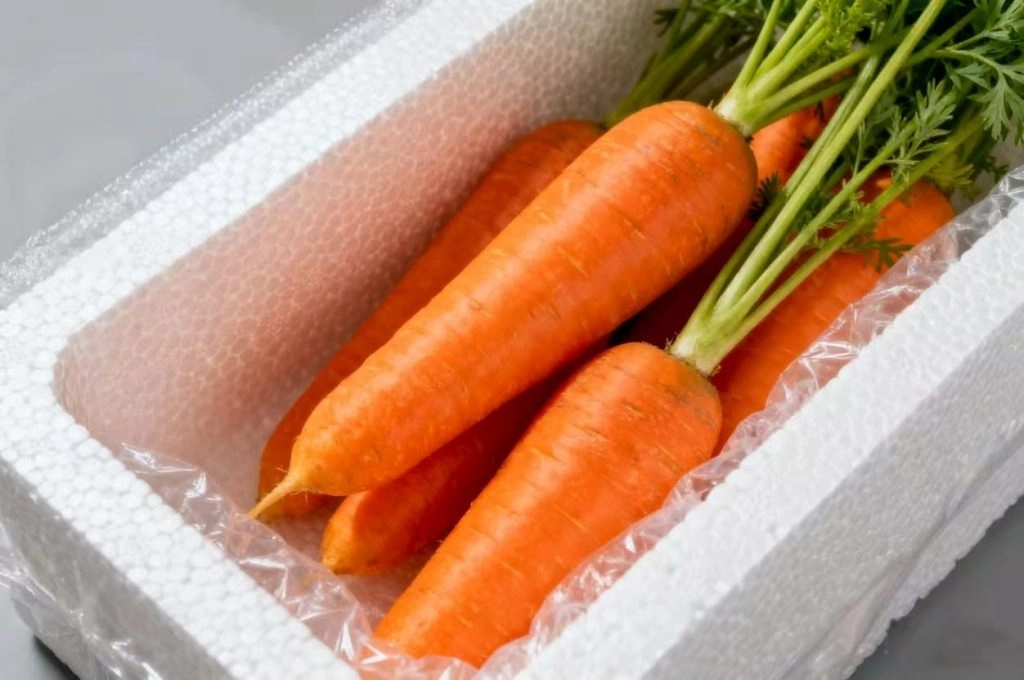
HUASHENG uses EPS foam that is different from others only when nothing else can do the job as well. One of its product is Rapid Prototyping Grade–B–Precision Instrument Packaging Box, whcih differs from other products.
Targeted Application Areas
This special box keeps delicate science tools and electronic devices safe during shipping or lab work.
Performance Characteristics
It gives perfect shape holding, keeps temperature steady, and soaks up bumps and drops. These features are very important for costly equipment.
Responsible Usage Strategy
HUASHENG says clearly: do not use EPS foam for normal things. Use this grade only when tests prove no other material is strong enough.
End-of-Life Consideration
The company asks every customer to return used boxes or bring them to special collection points when possible.
Customization Options
Clients who care about the planet can ask for boxes with fewer added chemicals. This choice makes future waste less harmful.
FAQs
Q: Why is it difficult to recycle expanded polystyrene (EPS)?
A: It is hard because the foam is mostly air, gets dirty easily, and has many different chemicals mixed in. Very few places have machines that can handle it without losing money.
Q: What are safer alternatives to using EPS foam in packaging?
A: Good replacements are molded paper pulp, cardboard cushions, starch packing materials, and mushroom packaging. All of them can rot away without leaving tiny plastics behind.
Q: How does HUASHENG ensure its use of EPS aligns with environmental responsibility?
A: HUASHENG keeps EPS use very small and only for high-tech protection jobs. They offer low-chemical versions and teach customers how to return or recycle the boxes properly, which actually shoulders the responsibilty of environemntal protection.
 English
  German
  Spanish
  French
  Arabic