
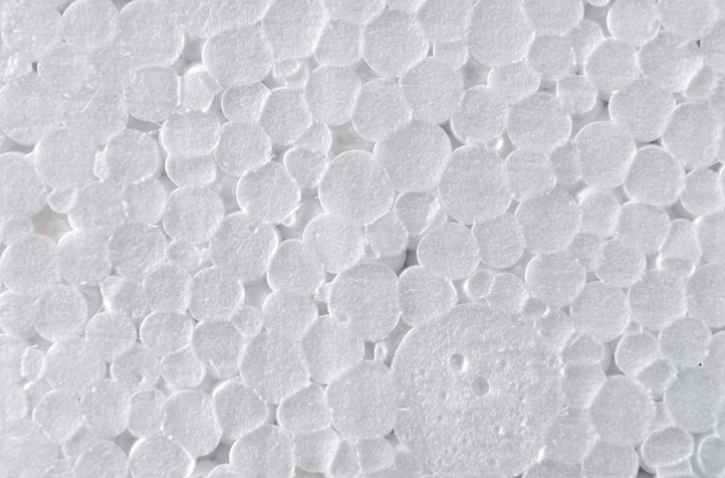
Polystyrene foam – think EPS, XPS, and special graphite kinds – shows up everywhere. People love it because it’s super light, keeps heat in or out really well, stays strong when you press on it, and cushions things like a champ. You’ll find it protecting TVs during shipping, keeping houses warm, building roads, moving vaccines safely, holding take-out food, and even making movie props. Different jobs need different types. For example, some fight water better, others block heat even more. Top grades like HUASHENG’s FGE and S33 bring extra toughness, stop static shocks, and save more energy. Yes, it helps the planet when it saves power in buildings. But we still need good recycling plans and smart coatings so it lasts longer and stays friendly to nature.
Understanding the Role of Polystyrene Foam Across Industries
Polystyrene foam, including EPS, XPS, and graphite-enhanced types, is valued for its unique structure and properties. Lightweight yet strong, it provides excellent thermal insulation and shock absorption. Its closed-cell design resists moisture and maintains stability, making it ideal for diverse applications from construction insulation to protective packaging. These characteristics stem from its cellular makeup, whether from expanded beads or a continuous extruded form.
Characteristics That Make Polystyrene Foam Special
How It’s Built and the Main Types
Polystyrene foam comes in a few different styles. Each one fits certain jobs perfectly. The big names are expanded polystyrene (EPS), extruded polystyrene (XPS), and fancy graphite-added versions.
EPS starts as tiny beads. Steam makes them puff up huge. In the end, the stuff is 98% trapped air. That’s why it weighs almost nothing. XPS is different. Makers push melted plastic through a slot. This gives a smooth, tight, closed-cell board. It hates water. Graphite-enhanced kinds mix tiny bits of graphite right into the beads. The result? Heat has an even harder time getting through.
The way the little cells look inside changes everything. EPS has round beads stuck together. XPS looks like one solid piece. These simple differences decide if the foam is tough, keeps heat out, or stands up to rain and snow.
Key Things That Make It Useful
It’s crazy light. Shipping costs drop. Workers move it without breaking their backs. Yet it can still hold heavy loads. That’s wild for something so airy.
Everyone knows polystyrene foam keeps temperatures steady. Tiny air pockets stop heat from sneaking through. So your house stays cozy in winter and cool in summer. Packages stay safe from bumps. Fragile stuff arrives in one piece.
It also shrugs off water pretty well and doesn’t swell or shrink when the weather changes.
Where You See Polystyrene Foam Every Day
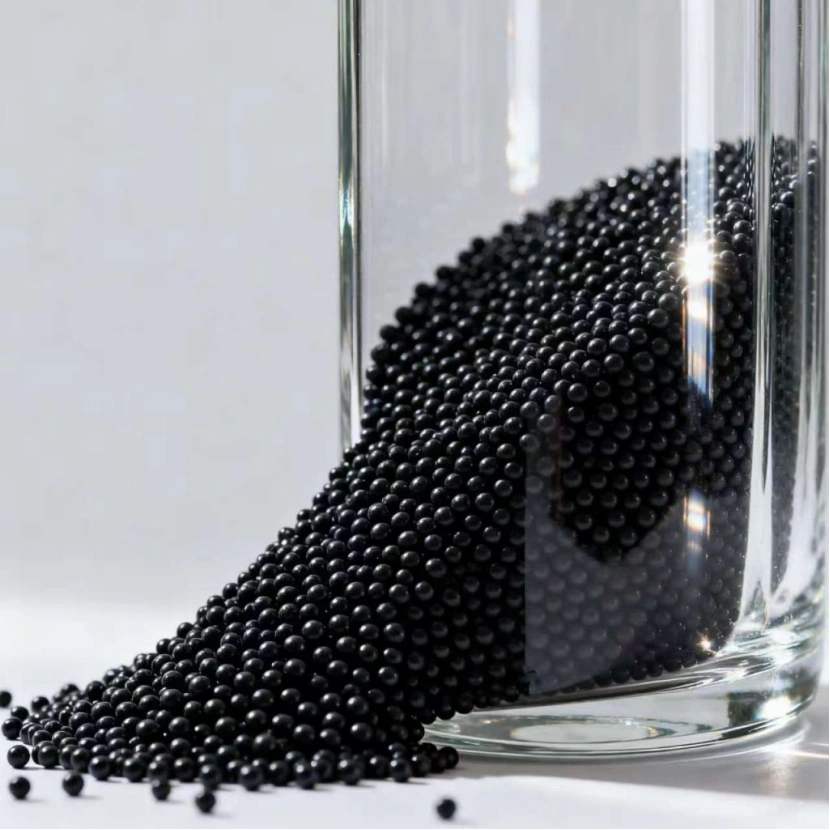
Polystyrene foam is widely used in protective packaging, especially for electronics. Its molded shape securely cushions items like TVs, preventing damage during shipping. HUASHENG’s FGE series offers a stronger, anti-static black variant that also aids automated visual inspection in factories.
Protective Packaging Solutions
Keeping Electronics and Fragile Items Safe
Walk into any electronics store. That perfect-fit white stuff hugging the new TV? That’s molded polystyrene foam. It grabs shocks and stops things from sliding around inside the box.
Companies run drop tests over and over. They want zero broken screens. Fewer returns mean happy customers.
HUASHENG Product Highlight: FGE Series
HUASHENG makes a black version called FGE . It’s tougher than normal white EPS. Static electricity can’t build up. That matters a lot for computer chips. Plus, the black color helps cameras on factory lines see parts clearly.
Construction and Building Materials
Keeping Walls, Roofs, and Floors Warm
Builders love EPS boards. Slip them into walls or under roofs and the house uses way less energy. Heating and cooling bills drop fast. The closed cells trap air and block heat like a blanket.
Helping Roads and Bridges Stay Strong
Big EPS blocks act like super-light dirt. Engineers call it “geofoam.” Put it under highways or bridge ramps. The ground below feels less weight. Things stop sinking. Water can’t hurt it much, even when it freezes and thaws.
HUASHENG Product Highlight: S33 Graphite Grade EPS
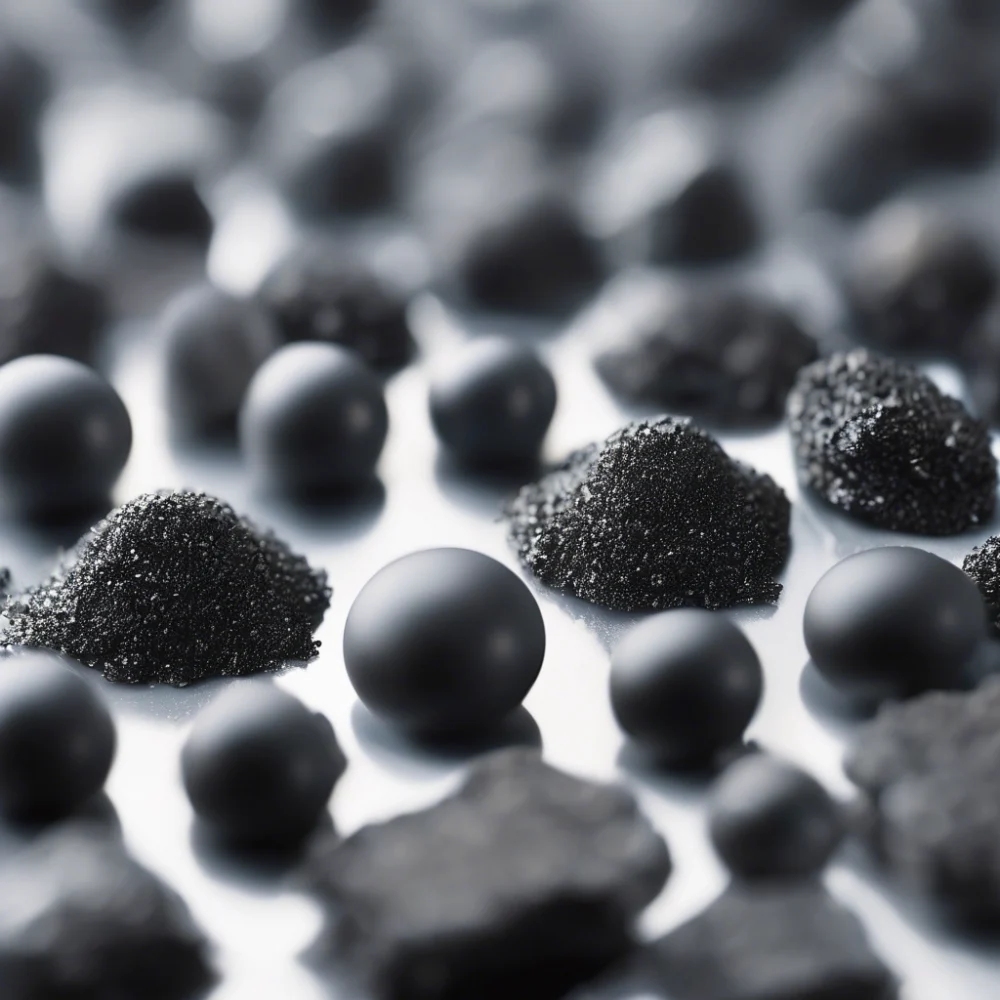
HUASHENG’s S33 has graphite mixed in. The tiny shiny bits bounce heat back. You get better insulation with thinner boards. Many super-energy-saving houses and passive houses use it.
Cold Chain Logistics and Keeping Things Cold
Vaccines, fish, ice cream – they all need to stay cold on long trips. Polystyrene foam boxes teamed with ice packs do the job. Medicines stay strong. Fish stays fresh. And because the boxes weigh so little, shipping costs stay low.
Food Service Industry Applications
Take-Out Cups and Boxes
That white coffee cup that stays hot in your hand? Polystyrene foam. Same for the clamshell holding your burger. Food arrives at the right temperature every time.
Food Safety Rules
Makers follow strict FDA and EFSA rules. They test to make sure nothing bad leaks into food, even when it’s piping hot.
Creative and Decorative Uses
Art, Movies, and Pretty Buildings
Artists carve it like butter. Movie studios build fake rocks and giant statues that weigh almost nothing. Theater crews love it for quick, light props. Fancy ceiling trim in old-style buildings? Often cut from polystyrene foam blocks.
EPS vs XPS vs Graphite Grades – Quick Comparison
How They Are Different
EPS is made from beads that grow and stick. It can soak up a little water. XPS comes out smooth from the machine. Almost no water gets in. Graphite EPS has shiny bits inside. Heat hates passing through it.
XPS usually feels stronger when you squeeze it. But heavy-duty EPS can match. Water stays out best with XPS, then graphite EPS, then regular EPS.
Best Jobs for Each Kind
– EPS → Cheap packaging shapes and normal house insulation.
– XPS → Under concrete slabs or wet basements.
– Graphite-enhanced EPS (like HUASHENG S33) → Super-green buildings that need top insulation.
Sustainability and Recycling
Can We Recycle It?
Yes! Clean EPS gets squished into tight blocks. Some factories melt it down and make new plastic. Others use chemicals to turn it back into liquid styrene. It can be reborn again and again – if cities set up the right bins.
Saving Energy While We Use It
A warm house with EPS walls uses much less oil or electricity. Over years, that saves way more energy than it took to make the foam.
Full Life-Cycle Look
Making it uses oil, true. But the energy it saves in buildings often pays that back many times.
Things to Watch Out For
How We Shape It
EPS grows with steam in molds. XPS gets squeezed out long and flat. Both cut easy with hot wires or CNC machines.
Weak Spots
Sunlight makes it crumble over time. Paint or special covers fix that. Some solvents melt it fast – keep it away from strong cleaners.
Fire Safety
Makers add safe flame blockers. Then it passes tough building fire codes.
FAQs
Q: Why pick HUASHENG’s FGE black polystyrene suspension grade instead of regular white EPS?
A: FGE is stronger, stops static shocks that hurt electronics, and the black color helps robots see parts better on fast factory lines.
Q: How does HUASHENG S33 graphite-grade EPS beat normal EPS at keeping heat inside?
A: Tiny graphite bits bounce heat back inside the foam. You get way better insulation. Perfect for houses that almost don’t need heating.
Q: Can we really recycle polystyrene foam on a big scale?
A: Totally – when it’s clean and sorted. Some places crush it into blocks. Others turn it back into raw material. It just needs the right recycling centers nearby.
 English
  German
  Spanish
  French
  Arabic